Optimize Your Formwork Projects!

Unlock expert insights on aluminium formwork systems and concrete casting workflows. Subscribe for cutting-edge technical guidance.

Understanding Aluminum Formwork Systems


Understanding Aluminum Formwork Systems

Posted on: 2026-06-25
By: Liam Marston


Have you ever wondered how a single construction system can drastically cut down on project time while improving quality? The aluminum formwork system offers just that—a game-changer for builders and contractors alike. Let's explore the essential insights you can gain from understanding this innovative approach.

What You Will Learn

  • Aluminum formwork systems are modular and reusable, optimizing efficiency and promoting sustainability in construction practices.
  • Quick assembly and disassembly can significantly reduce labor costs and project timelines.
  • Aluminum provides a high-quality concrete finish with minimal defects, ensuring dimensional accuracy.
  • Choosing aluminum over traditional materials like timber or steel offers a balance of strength, flexibility, and cost-effectiveness.
  • Integrating aluminum formwork can lead to lifecycle cost benefits, lowering long-term expenses due to reusability.
  • Understanding building codes and regulations is crucial for successful aluminum formwork implementation in projects.

Aluminum Formwork vs. Traditional Materials

Aluminum formwork systems offer distinct advantages over traditional materials like timber and steel, excelling in reusability, efficiency, and overall project quality. The comparison below highlights these key differences.

Aluminum Formwork

  • Lightweight & Durable
  • Rapid Assembly & Disassembly
  • High Reusability (long-term savings)
  • Superior Concrete Finish
  • Sustainable (recyclable material)
Modern Choice

Traditional Materials (Timber & Steel)

  • Heavier & Less Durable
  • Slower Assembly (more labor)
  • Lower Reusability (higher waste)
  • Requires More Finishing Work
  • Less Eco-friendly (timber waste, steel production)
Legacy Options

Understanding the Aluminum Formwork System: A Comprehensive Overview

At Aluminium Formwork Online, we often get asked, what exactly is an aluminum formwork system? Essentially, it is a modular system used in construction to create the framework for concrete structures. Made from lightweight, durable aluminum, these systems are designed to be reusable and adaptable for various project needs. This flexibility makes them a popular choice among builders, contractors, and engineers alike!

The aluminum formwork system is engineered to allow for rapid assembly and disassembly, which can significantly decrease project timelines. Its design not only supports the weight of wet concrete but also provides a smooth finish, enhancing the overall quality of the construction project.

What is an Aluminum Formwork System?

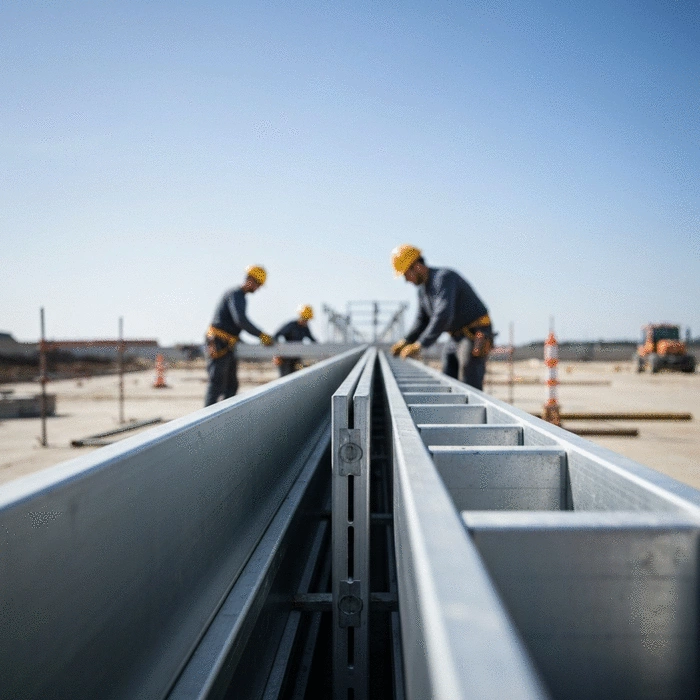
Aluminum formwork systems consist of panels that are connected to create the desired shape and dimensions of walls, slabs, and other structural elements. Each panel is designed to be lightweight yet strong, making it easy for construction teams to handle and install them. This system optimizes efficiency by streamlining the entire building process.

  • Lightweight design for easy handling
  • Modular components for various configurations
  • High durability for repeated use

The modular nature means that these systems can be tailored to fit different construction needs, from residential buildings to large commercial projects. By using aluminum, we are not only enhancing efficiency but also promoting sustainability in construction practices, as highlighted by various studies on building technologies and their environmental impact. For example, research on the application of aluminum alloy formwork for concrete structures demonstrates its benefits in terms of construction period and carbon emissions.

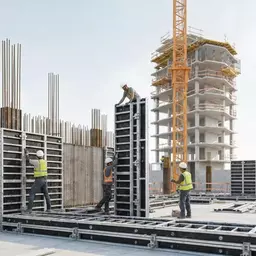
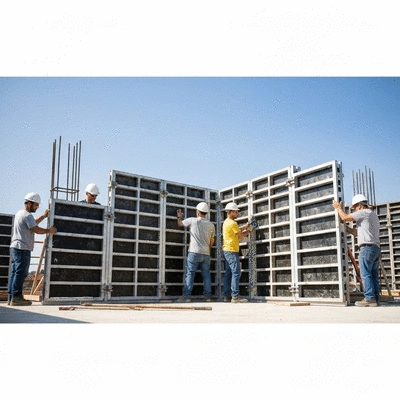
Construction workers assembling aluminum formwork panels on a building site

Key Advantages of Using Aluminum Formwork in Construction

One of the main reasons I advocate for aluminum formwork is its numerous advantages, which include:

  • Speed: Quick assembly reduces labor costs and project duration.
  • Quality: Provides a high-quality concrete finish with minimal defects.
  • Cost-Effective: Long-term savings due to reusability and lower maintenance costs.

These benefits contribute to achieving faster project completion and improved overall performance. By adopting this system, teams can not only meet deadlines but also exceed client expectations!

How Aluminum Formwork Compares to Other Building Materials

When comparing aluminum formwork to traditional materials like timber or steel, several factors come into play. Aluminum stands out for its reusability and lightweight nature, which directly impacts assembly speed and construction logistics. Many innovative solutions, such as modular aluminum alloy formwork for building construction, showcase its adaptability and efficiency.

  • Timber: While readily available, timber is less durable and often requires more maintenance.
  • Steel: Heavier than aluminum, steel systems can be more challenging to handle and transport.
  • Aluminum: Offers a perfect balance of strength, flexibility, and cost-effectiveness.

In the end, choosing aluminum formwork can lead to smoother workflows and superior project outcomes. As a seasoned construction engineer, I can assure you that understanding these differences is pivotal in making the right choice for your projects.

Pro Tip

To maximize the benefits of aluminum formwork, consider investing time in training your team on the best practices for assembly and disassembly. Proper training not only enhances efficiency but also reduces the risk of errors, ensuring a smoother construction process and a higher quality end result.

Frequently Asked Questions About Aluminum Formwork Systems

Here are some common questions about aluminum formwork systems:

What is an aluminum formwork system?
It's a modular construction system made from lightweight, durable aluminum, used to create frameworks for concrete structures. It's designed for reusability and adaptability across various project needs.
How does aluminum formwork reduce project timelines?
Its rapid assembly and disassembly capabilities significantly decrease labor costs and project duration, leading to faster completion times.
What are the main advantages of using aluminum formwork?
Key advantages include speed of construction, high-quality concrete finish with minimal defects, and cost-effectiveness due to reusability and lower maintenance.
Is aluminum formwork sustainable?
Yes, aluminum is a recyclable material, making aluminum formwork an eco-friendly choice that contributes to sustainable construction practices.
How does aluminum formwork compare to traditional materials like timber and steel?
Aluminum is lightweight, highly reusable, and provides a superior concrete finish compared to less durable timber. It's also lighter and easier to handle than steel, offering a better balance of strength, flexibility, and cost-effectiveness.
What factors should I consider when deciding if aluminum formwork is right for my project?
Consider your project's scale, budget constraints (initial cost vs. long-term savings), design complexity, and the potential for future reuse, especially for projects with repetitive floor plans.

Summarizing the Value of Aluminum Formwork Systems in Construction

Aluminum formwork systems have emerged as a cornerstone in modern construction, combining cost-effectiveness with unparalleled efficiency. After examining the various aspects of these systems, it’s clear they offer significant advantages for builders, contractors, and engineers alike. But what are the key takeaways that really highlight their value?

  • Reduction in Construction Time: Quick assembly and disassembly lead to faster project completion.
  • Dimensional Accuracy: Ensures superior concrete finishes, reducing the need for costly rectifications.
  • Lifecycle Cost Benefits: Reusable systems lower long-term expenses significantly, as evidenced by the efficiency of advanced aluminum shoring and formwork solutions.
  • Sustainability: Aluminum is a recyclable material, contributing to eco-friendly practices.

Each of these points illustrates how aluminum formwork systems can elevate your construction projects. By integrating these systems into your workflows, you can not only enhance productivity but also ensure safer and higher-quality outcomes. Are you ready to explore how they can fit into your projects?

Encouraging Informed Decisions: Is Aluminum Formwork Right for Your Next Project?

As a construction professional, I often get asked whether aluminum formwork is the right fit for various projects. The answer isn’t one-size-fits-all, but assessing your specific needs can guide your decision. Here are a few considerations to help you determine if aluminum formwork is suitable for your upcoming ventures:

  • Project Scale: Larger projects often benefit more from aluminum systems due to their speed and efficiency.
  • Budget Constraints: While initial costs may be higher, the long-term savings can be substantial.
  • Design Complexity: Aluminum formwork offers flexibility for intricate designs without compromising strength.
  • Future Reuse: Projects with repetitive floor plans can maximize the benefits of reusability.

By carefully considering these factors, you can make a more informed decision about integrating aluminum formwork into your upcoming projects. Are you ready to dive in and discover the potential this system holds for you?

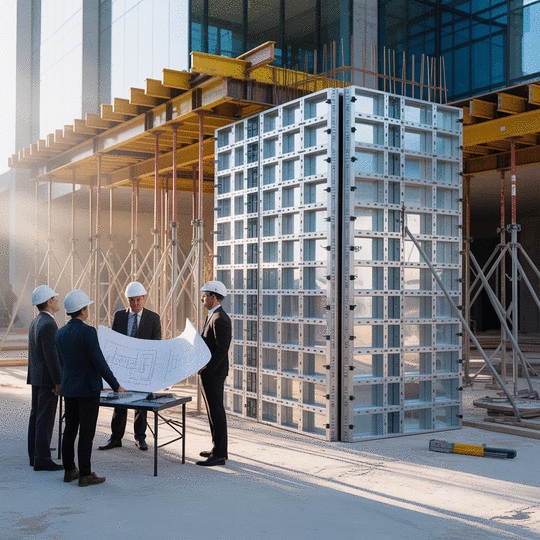
Architect reviewing blueprints with construction team on site, showing project planning

Next Steps: Calculating Your Project's Costs and Benefits

Now that we’ve outlined the undeniable advantages of aluminum formwork, it’s time to take action! Understanding the financial implications of your choices is crucial. Here’s how to approach this process effectively:

Utilizing Our Lifecycle Cost Calculator for Project Planning

At Aluminium Formwork Online, we provide a user-friendly lifecycle cost calculator to assist you in estimating the total costs associated with aluminum formwork. This tool allows you to:

  • Input project specifics such as size and scope
  • Compare initial investments versus long-term expenditures
  • Assess potential savings from reusability and efficiency
  • Make data-driven decisions tailored to your project needs

These calculations can empower you to choose the best path forward. I highly recommend taking advantage of this resource to ensure you’re making the most informed decisions for your construction projects!

Engaging with Experts for Tailored Solutions and Support

Don’t navigate the complexities of aluminum formwork alone! Engaging with experts can provide you with tailored insights that fit your unique project requirements. Here’s how you can benefit:

  • Get personalized advice from seasoned professionals
  • Receive recommendations on best practices for implementation
  • Identify specific challenges and find effective solutions
  • Enhance your team’s understanding of aluminum formwork systems

By collaborating with experts, you can not only optimize your workflows but also ensure that you’re on the right track from the beginning.

Understanding Building Codes and Regulations for Aluminum Formwork Implementation

Last but certainly not least, it’s essential to stay informed about the building codes and regulations that pertain to aluminum formwork in your region. These regulations can impact your project in various ways:

  • Ensure compliance with safety standards
  • Avoid costly delays caused by regulatory issues
  • Understand the requirements for permits and inspections
  • Foster communication with local authorities

Being proactive in understanding these aspects can save you time and money while also ensuring a smooth construction process. So, are you prepared to take the next steps in harnessing the power of aluminum formwork for your projects? Let’s make it happen!

Recap of Key Points

Here is a quick recap of the important points discussed in the article:
  • Speed: The quick assembly and disassembly of aluminum formwork systems significantly reduce construction time and labor costs.
  • Quality: Aluminum formwork ensures high-quality concrete finishes with minimal defects, enhancing overall project quality.
  • Cost-Effectiveness: The reusability of aluminum systems leads to long-term savings due to lower maintenance costs.
  • Design Flexibility: Modular components allow for various configurations, making them suitable for diverse project requirements.
  • Sustainability: Being recyclable, aluminum formwork supports eco-friendly construction practices.

Subscribe & Share
Aluminium Formwork Maintenance Best Practices Aluminium Formwork Maintenance Best Practices Proper maintenance is not just a routine; it's a cornerstone of efficient construction practices. By
Effective Maintenance for Aluminium Formwork Effective Maintenance for Aluminium Formwork When it comes to construction, the focus is often on speed and efficiency. But what if I told you th
Aluminium Formwork in High-Rise Projects Aluminium Formwork in High-Rise Projects What if a single change could dramatically enhance your construction projects? The adoption of alumi
Banner
Aluminium Formwork Online

Your go-to resource for mastering aluminium formwork systems. We help builders, contractors, and engineers with technically sound guidance and practical insights for superior project outcomes.

Trusted by industry professionals, our mission is to provide reliable, easy-to-follow insights backed by extensive engineering expertise and modern construction standards.

Learn More
Recent Posts
Aluminium Formwork Maintenance Best Practices Aluminium Formwork Maintenance Best Practices

Proper maintenance is not just a routine; it's a c

Effective Maintenance for Aluminium Formwork Effective Maintenance for Aluminium Formwork

When it comes to construction, the focus is often

Aluminium Formwork in High-Rise Projects Aluminium Formwork in High-Rise Projects

What if a single change could dramatically enhance

Aluminium Formwork Insights