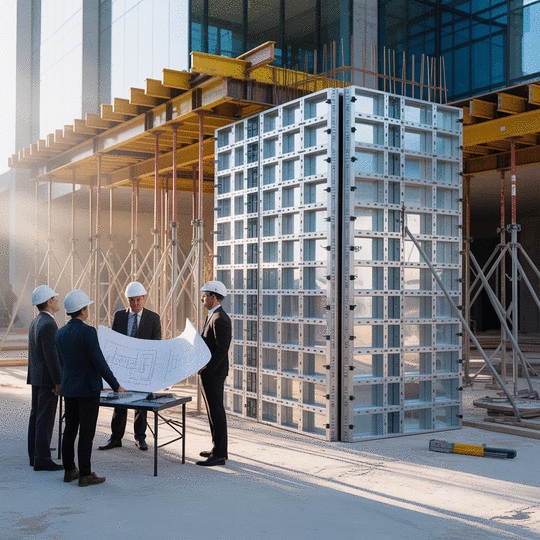
Aluminium Formwork Maintenance Best Practices
Proper maintenance is not just a routine; it's a cornerstone of efficient construction practices. By prioritizing upkeep, you not only extend the life of your aluminium formwork but also enhance the quality of your projects. What vital insights can you glean from understanding aluminium formwork maintenance?
What You Will Learn
- Regular maintenance significantly increases the longevity of aluminium formwork systems.
- Proper upkeep enhances site safety by reducing risks associated with equipment failures.
- A proactive maintenance routine can lead to cost savings by preventing expensive repairs.
- Sustainable maintenance practices not only protect your formwork but also align with environmental goals.
- Implementing effective cleaning, storage, and inspection protocols is crucial for optimal formwork performance.
- Integrating documentation into maintenance practices helps track performance and facilitates informed decision-making.
Core Maintenance Strategies for Aluminium Formwork
Effective maintenance of aluminium formwork hinges on three core practices: cleaning, storage, and inspections. Implementing these strategies proactively ensures longevity, enhances safety, and improves concrete finish quality.
Integrating Maintenance & Documentation
A robust framework of consistent record-keeping, checklists, and feedback loops ensures comprehensive tracking of all maintenance activities for maximum longevity.
- Consistent Record-Keeping: Daily logs of performed maintenance and observations.
- Utilize Checklists: Standardized steps for inspections and cleaning.
- Feedback Loops: Encourage team insights for informed decisions.
Key Maintenance Takeaways
- Cleaning: Swift residue removal with recommended agents.
- Storage: Safe conditions to prevent degradation.
- Inspections: Regular checks to mitigate issues.
- Documentation: Detailed logs for compliance and assessment.
Optimizing Resource Allocation
- Prioritize Tasks: Address high-priority maintenance promptly.
- Allocate Responsibilities: Clearly define roles for accountability.
- Monitor Progress: Track maintenance tasks to stay on schedule.
Understanding Aluminium Formwork Maintenance for Longevity
When it comes to aluminium formwork maintenance, understanding the foundational aspects is crucial for ensuring longevity and performance. Proper maintenance extends the life of your formwork systems and maximizes the return on investment. At Aluminium Formwork Online, we believe that investing time and resources into the maintenance of formwork helps facilitate safer and more efficient construction processes. For comprehensive guidance, explore these aluminium formwork maintenance best practices.
Moreover, maintaining your formwork isn't just about keeping it in good shape; it also impacts the quality of your concrete casting. Regular upkeep prevents potential issues that could arise during projects, making it essential for builders and contractors to prioritize these practices, as detailed in this ultimate guide to aluminium formwork maintenance.
The Importance of Proper Maintenance
Proper maintenance of aluminium formwork plays a pivotal role in the overall success of your construction project. By ensuring that your formwork is well-maintained, you can achieve significant benefits:
- Increased Longevity: Regular checks and care extend the lifespan of your formwork.
- Enhanced Safety: Well-maintained equipment poses fewer risks on site, ensuring a safer work environment.
- Quality Assurance: Proper maintenance leads to better concrete finishes, reducing the likelihood of defects.
In my experience, many contractors overlook maintenance until issues arise, which can lead to costly delays. Developing a proactive maintenance routine can significantly mitigate these risks!
How Maintenance Affects Return on Investment
Investing in proper maintenance directly correlates with the return on investment (ROI) of aluminium formwork systems. You might wonder how this works, so let’s break it down:
- Cost Efficiency: Regular maintenance can prevent expensive repairs, saving you money in the long run.
- Reduced Downtime: Well-maintained formwork minimizes project delays, allowing for smoother workflows.
- Improved Utilization: Keeping your formwork in optimum condition means you can use it repeatedly, maximizing your investment.
When you treat your formwork with care, you’re not just safeguarding your tools; you’re ensuring that your entire project runs more efficiently, leading to better bottom-line results.
Impact of Sustainable Construction on Aluminium Formwork
The push for sustainable construction practices has reshaped how we look at formwork maintenance. With the increasing emphasis on environmental responsibility, we must consider how our maintenance practices align with sustainable goals:
- Material Longevity: Sustainable practices promote the use of high-quality materials that last longer, reducing waste.
- Energy Efficiency: Properly maintained formwork systems operate more efficiently, helping to lower energy consumption on-site.
- Reusability: Emphasizing maintenance encourages the reuse of formwork, aligning with sustainability objectives.
At Aluminium Formwork Online, we advocate for practices that not only extend the life of your formwork but also contribute to a more sustainable future in construction. By focusing on maintenance, we can uphold our commitment to responsible building practices!
Core Maintenance Best Practices for Aluminium Formwork
To maximize the longevity of your aluminium formwork, it’s essential to implement core maintenance best practices. These practices are designed to keep your systems in peak condition, ready for every project. Let's explore some effective strategies!
- Effective Cleaning Techniques
- Optimal Storage Solutions
- Inspection Protocols
As a seasoned construction engineer, I can't stress enough how vital these practices are to ensuring safety and efficiency on your job sites. Let’s dive deeper into each area next!
Pro Tip
Did you know that establishing a routine inspection schedule can significantly enhance your aluminium formwork's lifespan? By routinely checking for signs of wear and tear, you can address minor issues before they escalate into costly repairs. This proactive approach not only saves money but also ensures that your formwork remains in optimal working condition for every project. For a detailed guide on maintaining aluminium formwork systems, refer to these 7 steps for maintenance.
Frequently Asked Questions about Aluminium Formwork Maintenance
Why is proper maintenance of aluminium formwork important?
Proper maintenance of aluminium formwork is crucial for several reasons: it increases the longevity of the system, enhances site safety by reducing equipment failures, ensures better concrete finishes, and contributes to cost savings by preventing expensive repairs and reducing project downtime.
How does maintenance impact the return on investment (ROI) of aluminium formwork?
Investing in proper maintenance directly correlates with a higher ROI. It leads to cost efficiency by preventing expensive repairs, reduces project downtime due to equipment issues, and improves the overall utilization of the formwork system, allowing it to be reused multiple times.
What are the core maintenance practices for aluminium formwork?
The core maintenance practices include effective cleaning techniques (swift residue removal), optimal storage solutions (safe conditions to prevent degradation), and regular inspection protocols (checks to mitigate issues before they escalate).
How can documentation improve formwork maintenance?
Documentation, through consistent record-keeping, checklists, and feedback loops, provides a comprehensive view of the formwork's health. It helps track all maintenance activities, ensures compliance, facilitates informed decision-making for repairs and replacements, and aids in assessing performance over time.
What is the role of sustainable construction in aluminium formwork maintenance?
Sustainable construction emphasizes practices that extend the life of materials, reduce waste, and promote energy efficiency. For aluminium formwork, this means focusing on maintenance to ensure material longevity, operate systems more efficiently, and encourage reusability, aligning with broader environmental goals.
Summarizing Best Practices for Aluminium Formwork Maintenance
As we wrap up our discussion on aluminium formwork maintenance, it's crucial to realize that effective maintenance strategies not only enhance the longevity of your formwork but also contribute positively to your project's bottom line. By integrating maintenance practices with thorough documentation, we can ensure that our formwork systems remain in optimal condition throughout their lifecycle. Let's dive into how we can bring these practices together for a seamless maintenance experience!
Integrating Maintenance and Documentation for Longevity
To achieve maximum longevity for your aluminium formwork, establishing a robust maintenance and documentation framework is essential. This integration enables teams to track all maintenance activities, ensuring that no aspect of care is overlooked. Here are some effective strategies:
- Consistent Record-Keeping: Maintain daily logs that capture any maintenance performed and conditions observed.
- Utilize Checklists: Implement checklists for inspections and cleaning to ensure all steps are followed each time.
- Feedback Loops: Encourage team members to share their experiences and suggestions based on documented maintenance activities.
By adhering to these practices, we can provide a comprehensive view of our formwork systems' health, helping us make informed decisions about repairs and replacements.
Key Takeaways for Effective Maintenance Strategies
Let’s summarize the core components that contribute to an effective aluminium formwork maintenance strategy:
- Cleaning: Always act swiftly to remove concrete residues using recommended cleaning agents and tools.
- Storage: Ensure formwork is stored in safe conditions that prevent damage and degradation.
- Inspections: Conduct regular inspections and document findings to mitigate issues before they escalate.
- Documentation: Create detailed maintenance logs and checklists to maintain compliance and facilitate future assessments.
These takeaways highlight the importance of a proactive approach to maintenance, allowing us to maximize our formwork’s performance and lifespan effectively!
Engaging with Maintenance Resources and Community
Staying connected with fellow professionals and leveraging available resources can significantly enhance your aluminium formwork maintenance practices. Engaging with the community opens doors to shared experiences and collective problem-solving, which can lead to more innovative solutions.
Encouraging Feedback and Sharing Best Practices
Consider creating a feedback system where team members can share their insights and suggestions regarding maintenance practices. Engaging in open conversations can lead to discovering practical tips and best practices that benefit everyone involved.
- Regular Meetings: Schedule periodic meetings to discuss maintenance challenges and successes.
- Online Forums: Participate in online platforms or forums dedicated to aluminium formwork where professionals share experiences.
- Workshops and Training: Organize workshops focused on maintenance practices and updates in technologies.
By fostering a collaborative environment, we not only improve our practices but also build a stronger community of construction professionals.
Accessing Further Resources and Tools for Formwork Management
Never underestimate the power of having the right resources at your disposal! Here are some valuable tools to enhance your formwork management:
- Maintenance Software: Consider using software designed for tracking maintenance activities.
- Webinars and Online Tutorials: Engage in webinars hosted by industry experts, which can provide insights into advanced maintenance techniques.
- Technical Guides: Utilize technical guides available on Aluminium Formwork Online for thorough understanding and effective management.
These resources can help streamline your maintenance efforts, making them more efficient and effective.
Workflows for Optimizing Resource Allocation in Maintenance
Establishing efficient workflows is key to optimizing resource allocation during maintenance tasks. To ensure that your team is working effectively, consider implementing these strategies:
- Prioritize Tasks: Identify high-priority maintenance tasks and address them promptly.
- Allocate Responsibilities: Clearly define roles within your team to avoid overlaps and ensure accountability.
- Monitor Progress: Regularly track the progress of maintenance tasks to stay on schedule and within budget.
By structuring your workflows around these principles, you'll be well on your way to maintaining your aluminium formwork systems efficiently and effectively!
Recap of Key Points
Here is a quick recap of the important points discussed in the article:
- Increased Longevity: Regular maintenance checks extend the lifespan of aluminium formwork systems.
- Enhanced Safety: Proper maintenance reduces risks on construction sites, ensuring a safer work environment.
- Quality Assurance: Well-maintained formwork leads to better concrete finishes and fewer defects.
- Cost Efficiency: Preventative maintenance can save money by avoiding expensive repairs.
- Documentation: Maintain detailed logs and checklists for better compliance and maintenance tracking.
- Engagement: Foster a community around maintenance practices for shared insights and innovations.