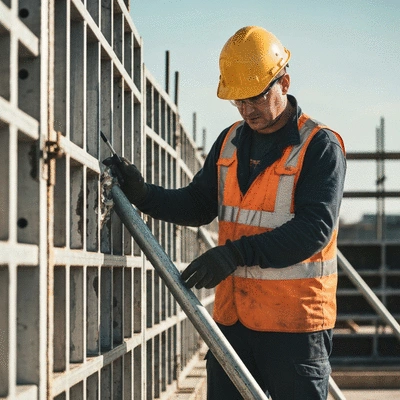
Why Regular Maintenance Matters
- ✓ Increased lifespan
- ✓ Reduced safety hazards
- ✓ Optimized performance
Proactive approach saves money & time.
Unlock expert insights on aluminium formwork systems and concrete casting workflows. Subscribe for cutting-edge technical guidance.
Posted on: 2026-07-11
By: Liam Marston
When it comes to construction, the focus is often on speed and efficiency. But what if I told you that neglecting maintenance could undermine all that hard work? This article dives into the critical need for aluminum formwork maintenance, ensuring that your investments are not only protected but also optimized for success.
Optimizing aluminum formwork investments requires a strategic balance between regular maintenance and timely replacement. This visual outlines key considerations and the cost-benefit analysis of these approaches, focusing on extending system lifespan and maximizing ROI.
80
Uses (Minimal Maintenance)
250
Uses (Extensive Maintenance)
As construction professionals, we often prioritize efficiency and speed in our projects. However, aluminum formwork maintenance is a crucial aspect that can significantly impact the longevity and effectiveness of our systems. By understanding its importance, we can ensure that our investments yield the highest returns while maintaining safety and quality in our builds!
Regular maintenance of aluminum formwork is vital for several reasons. Firstly, it helps to extend the lifespan of our formwork systems. By conducting routine check-ups and addressing minor issues early, we can avoid costly repairs or replacements down the line. This proactive approach not only saves money but also ensures that projects stay on schedule.
Moreover, regular maintenance enhances the overall quality of construction. Well-maintained formwork ensures that concrete is cast effectively, leading to superior structural performance. For detailed guidelines on maintaining the quality and performance of formwork systems, resources like this guide on Formwork from SteelConstruction.info offer valuable insights. By committing to consistent upkeep, we foster a culture of quality and responsibility within our teams!
Even with the best practices in place, aluminum formwork can face issues over time. Common problems include dents, scratches, and corrosion. These can arise from frequent handling, exposure to harsh weather conditions, or improper storage. Recognizing these challenges early can prevent detrimental effects on our projects.
By being aware of these potential issues, we can implement proactive measures to address them, ensuring our formwork remains in optimal condition throughout its lifecycle.
In today's construction landscape, sustainability is more important than ever. Evaluating the environmental impact of aluminum formwork maintenance can help us make better decisions. Well-maintained formwork not only reduces waste but also minimizes the need for new materials, contributing to a greener industry. The importance of sustainable practices in construction is further highlighted by organizations like the U.S. Green Building Council (USGBC), which promotes green building design, construction, operation, and maintenance.
By adopting sustainable practices in our maintenance routines, we contribute to a healthier planet while also appealing to environmentally conscious clients!
Here are some common questions regarding the maintenance and lifecycle of aluminum formwork systems:
How do you approach aluminum formwork maintenance in your projects? Do you have specific strategies or challenges you'd like to share? Let us know your thoughts below:
When it comes to aluminum formwork, making the right choice between maintenance and replacement can significantly impact your project’s budget. Understanding the cost-benefit analysis is crucial. Regular maintenance can extend the life of your formwork, but there are times when replacement might be the more economical option. Let’s break down these considerations.
One important factor to consider is the reuse cycle. Many contractors debate whether to aim for 80 uses or push for up to 250 uses. This decision can shape your approach to maintenance. If your formwork can be maintained effectively to achieve the higher reuse rates, you’ll see substantial cost savings in the long run. The Federal Highway Administration's guidance on Lifecycle Cost Analysis provides a framework for these types of long-term investment evaluations.
The debate over whether to target 80 or 250 uses revolves around the balance of initial investment and ongoing care. If you prioritize maintenance, reaching closer to 250 uses is achievable. Here are key factors to consider:
As a builder, assessing your specific circumstances allows for a tailored approach that optimizes your formwork investment. Balancing maintenance practices with realistic use expectations is key.
Calculating the cost-per-use of your aluminum formwork can provide valuable insights. To determine whether maintenance is worth the investment, consider these aspects:
By meticulously analyzing these factors, you can make informed decisions about whether to maintain or replace your formwork. Remember, it’s not just about the numbers; it’s about the efficiency and safety of your overall workflow.
Lifecycle costing extends beyond just initial purchase and maintenance. It encompasses all costs associated with the formwork over its entire lifespan. Here’s how to approach it:
Understanding the complete lifecycle of your aluminum formwork helps you to anticipate costs and allows for smarter budgeting. At Aluminium Formwork Online, we advocate for holistic approaches to ensure you get the best value for your investment.
Looking ahead is essential for effective formwork management. By creating a strategic framework, you can streamline processes while enhancing the longevity of your aluminum formwork. Here’s how to get started.
Here is a quick recap of the important points discussed in the article:
Proper maintenance of aluminum formwork can signif