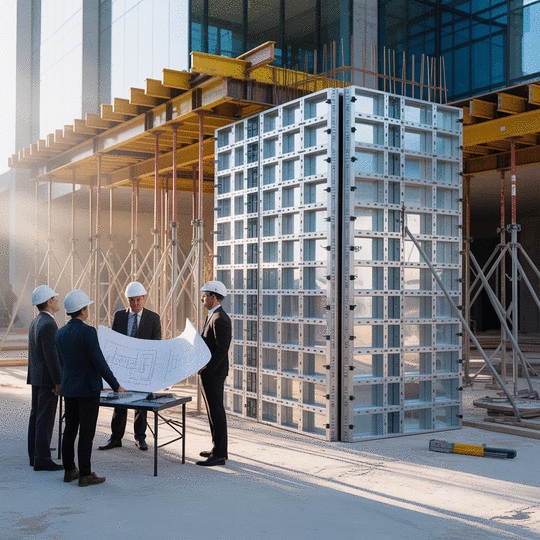
Efficient Modular Aluminium Formwork Solutions
Posted on: 2025-12-11
By: Liam Marston
What if the key to revolutionizing your construction projects lies in the systems you use? Modular aluminum formwork systems are reshaping the industry, offering efficiency and adaptability that can transform workflows. Let's explore some essential insights that can empower your next project.
What You Will Learn
- Modular aluminum formwork is lightweight, reducing physical strain and speeding up assembly on-site.
- These systems are reusable, allowing for significant cost savings across multiple projects.
- Customization is key; modular designs can be tailored to meet specific project requirements effectively.
- Adopting modular systems enhances project speed and quality through efficient curing and smart design.
- There is a growing trend towards sustainability, with construction companies seeking reusable materials to minimize waste.
- Technological advancements, including IoT and digital design tools, are enhancing the capabilities of formwork systems.
- The future of modular construction promises innovations like automated systems and prefabrication to boost productivity.
- Choosing the right formwork system involves assessing project needs, flexibility, and manufacturer support for success.
Key Trends and Innovations in Modular Aluminum Formwork
The construction industry is rapidly evolving, with modular aluminum formwork systems at the forefront of this transformation. Below, we highlight the key emerging trends and future innovations shaping this sector, focusing on efficiency, sustainability, and technological integration.
★ Emerging Trends in Formwork
- ‣ Smart Formwork Systems (IoT Integration)
- ‣ Advanced Materials (Lighter, Stronger)
- ‣ Digital Twin Technology (Virtual Replicas)
- ‣ Augmented Reality (AR) for On-site Accuracy
⚡ Future Innovations in Productivity
- ‣ Automation (Reduced Manual Labor)
- ‣ Prefabrication (Streamlined On-site Assembly)
- ‣ Integrated Software Solutions (Enhanced Collaboration)
Understanding Modular Aluminum Formwork Systems
Modular aluminum formwork systems have transformed the construction landscape, offering a blend of efficiency and adaptability. These systems are specifically designed to create consistent and high-quality concrete structures, making them an essential choice for modern builders. By utilizing modular design principles, construction teams can achieve remarkable speed and precision on-site.
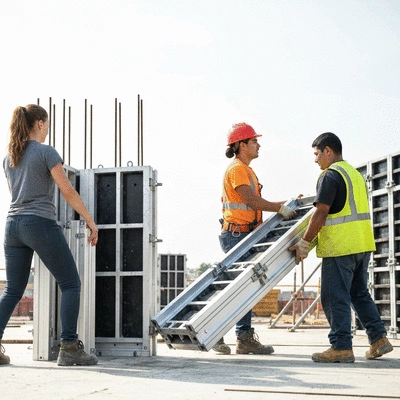
One of the standout features of modular aluminum formwork is its lightweight yet robust nature. This enables easy handling and installation, which translates to reduced labor costs and shorter project timelines. As someone who has worked extensively with these systems, I can attest to their capacity for optimizing workflows, ensuring projects are not only completed faster but also with higher quality.
Defining Modular Aluminum Formwork: Key Features and Benefits
When we talk about modular aluminum formwork, several key features come to mind:
- Lightweight Construction: This greatly reduces the physical strain on laborers and allows for quicker assembly.
- Reusable Components: With proper maintenance, units can be reused for multiple projects, significantly lowering costs. Research suggests that modular aluminum formwork can lead to significant cost savings compared to traditional methods, making them a wise long-term investment.
- Customizable Designs: Modular systems can be tailored to fit various project specifications, enhancing design flexibility.
- Efficient Curing: The material promotes even curing, which is critical for the structural integrity of concrete.
These features combine to offer substantial benefits, including cost savings, improved safety on site, and the potential for faster project completion. Builders looking to enhance their efficiency should consider how these systems can fit into their workflow.
Current Market Trends in Aluminum Formwork Systems
The demand for aluminum formwork systems is clearly on the rise, driven by a push towards sustainability and efficiency in construction. Current trends show a noticeable shift towards modular systems that support both rapid assembly and environmental considerations.
- Increased Adoption: Many construction companies are transitioning from traditional methods to modular systems. Studies indicate that aluminum formwork is gaining traction due to its numerous advantages over conventional formwork.
- Sustainability Focus: Builders are seeking materials that minimize waste and can be easily reused.
- Technological Integration: More companies are leveraging technology, such as IoT and digital design tools, to enhance formwork systems.
Understanding these trends is crucial for professionals in the industry. Staying ahead allows builders to align with best practices that not only enhance efficiency but also minimize environmental impact.
Exploring the Role of Modular Construction in Modern Building Projects
Modular construction is revolutionizing how we approach building projects. By employing a system of pre-manufactured components, construction teams can significantly reduce construction times while improving quality. I’ve seen firsthand how this approach streamlines workflows and enhances collaboration among project teams.
- Fast-Track Project Timelines: Modular methods allow for concurrent construction processes, leading to quicker project completion.
- Quality Control: Off-site manufacturing ensures higher quality standards as components are fabricated in controlled environments.
- Flexibility and Adaptability: Modular systems can be easily modified to suit changing project requirements. Research highlights the efficiency and effectiveness of modular construction in achieving project goals.
The benefits of modular construction are clear. Embracing this approach not only positions builders to meet rising demands but also empowers them with tools to innovate and improve overall project outcomes. Understanding these principles can lead to greater success in future projects.
Pro Tip
When selecting a modular aluminum formwork system, consider the long-term benefits of reusability. Not only does this reduce costs for future projects, but it also aligns with sustainable building practices, minimizing waste and enhancing your company's green credentials. Investing in high-quality, durable systems now can lead to significant savings and environmental benefits later.
Evaluating the Future of Modular Aluminum Formwork Systems
The landscape of modular aluminum formwork systems is evolving at a rapid pace. As a construction engineer, I've observed how emerging trends in technology are reshaping our industry. From advanced materials to digital solutions, the future promises enhanced efficiency and productivity in construction workflows. Let’s dive into the key trends and innovations set to drive this transformation!
Emerging Trends and Future Technologies in Formwork
As we look ahead, several emerging trends are poised to impact the modular aluminum formwork sector significantly. Here are a few noteworthy trends to keep an eye on:
- Smart Formwork Systems: The integration of IoT sensors will allow real-time monitoring of formwork conditions, providing valuable data for project managers.
- Advanced Materials: Innovations in materials science will lead to lighter, stronger, and more sustainable formwork options.
- Digital Twin Technology: This will enable teams to create virtual replicas of formwork systems for better planning and simulation before construction begins.
- Augmented Reality (AR): AR can enhance training and on-site assembly processes, ensuring accuracy and efficiency.
These trends not only promise to improve efficiency but also enhance safety and quality in construction projects. As we adopt these technologies, collaboration with engineers and contractors will be crucial for successful implementation.

Future Innovations in Construction Efficiency and Productivity
Looking forward, innovations in construction processes are set to redefine how we approach projects. Here are some anticipated advancements that will influence productivity:
- Automation: The rise of automated systems will reduce manual labor, allowing teams to focus on more complex tasks that require expertise.
- Prefabrication: Increased use of prefabricated components will streamline assembly on-site and reduce project timelines.
- Integrated Software Solutions: Comprehensive project management tools will enhance collaboration and communication across teams.
By embracing these innovations, construction professionals can expect not only to boost productivity but also to achieve higher-quality outcomes. It's an exciting time to be involved in the modular aluminum formwork industry!
Frequently Asked Questions About Modular Aluminum Formwork
- What are the primary benefits of modular aluminum formwork?
- The primary benefits include lightweight construction for easier handling, reusability for cost savings, customizable designs for varied project needs, and efficient concrete curing for structural integrity.
- How does modular aluminum formwork contribute to sustainability?
- It contributes to sustainability through its reusability across multiple projects, which significantly reduces waste compared to traditional formwork materials.
- What technological advancements are impacting modular formwork systems?
- Key advancements include the integration of IoT sensors for smart formwork systems, the use of advanced materials for lighter and stronger components, digital twin technology for virtual planning, and Augmented Reality (AR) for improved on-site accuracy.
- How does modular construction improve project timelines?
- Modular construction allows for concurrent construction processes, where components are manufactured off-site while site preparations are underway, leading to significantly faster project completion times.
- What should I consider when choosing a modular aluminum formwork system?
- When choosing a system, consider your project's specific requirements, the system's flexibility and adaptability, the manufacturer's support and reputation, and the overall cost-effectiveness and return on investment.
Steps to Selecting the Right Modular Aluminum Formwork System
Choosing the right modular aluminum formwork system can greatly impact your project’s success. After years in the construction industry, I've learned that making informed decisions is crucial. Here’s a guide to help you navigate this process effectively.
Buyer’s Guide: Key Considerations and Best Practices
When evaluating formwork systems, consider the following factors to ensure you make the best choice:
- Project Requirements: Assess the specific needs of your project, including design complexity and load-bearing requirements.
- System Flexibility: Look for systems that offer adaptability to various configurations and site conditions.
- Manufacturer Support: Choose manufacturers that provide robust support, including installation guidance and after-sales service.
- Cost and ROI: Analyze the installation and lifecycle costs versus the expected returns on investment.
With these considerations in mind, you’ll be better equipped to select a system that aligns with your project goals and ensures efficiency!
Evaluating Formwork Manufacturers and Their Solutions
Identifying the right manufacturer is key to obtaining a reliable formwork system. Here’s how to evaluate potential suppliers:
- Reputation: Research the manufacturer's track record and customer testimonials to gauge their reliability.
- Product Range: Check if they offer a variety of systems suited for different construction needs.
- Technical Expertise: Ensure the manufacturer has a strong engineering team available for consultation and support.
By following these steps, you’ll be positioned to select a manufacturer that not only meets your technical requirements but also supports your project ambitions!
Recap of Key Points
Here is a quick recap of the important points discussed in the article:
- Modular aluminum formwork systems enhance efficiency and adaptability in construction projects.
- Key features include lightweight construction, reusable components, customizable designs, and efficient concrete curing.
- Current trends show increased adoption of modular systems, a focus on sustainability, and integration of technology.
- Modular construction allows for fast-track project timelines, better quality control, and flexibility in design.
- Selecting the right modular formwork system involves assessing project requirements, system flexibility, and manufacturer support.
- Future innovations such as smart formwork systems and automation promise to further improve efficiency and safety in construction.
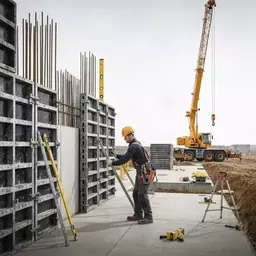
 Have you considered how the choice of formwork can dramatically impact your construction planning? A
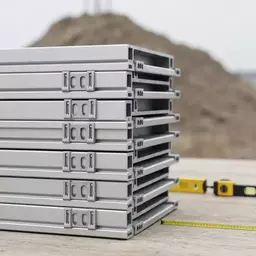
 Did you know that utilizing modular aluminium formwork can significantly reduce construction time an
 When considering new technologies in construction, the potential to enhance efficiency often lies in