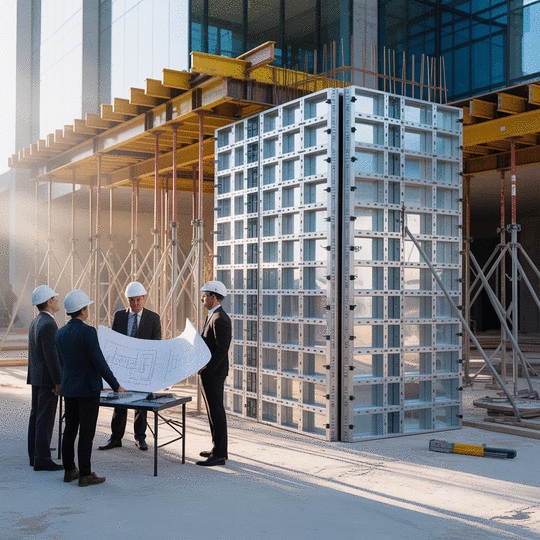
Aluminium Formwork Installation Guide
Posted on: 2026-01-24
By: Liam Marston
Have you considered how the choice of formwork can dramatically impact your construction planning? A well-executed installation of aluminium formwork not only enhances efficiency but also transforms project outcomes. Let's dive into the essential insights you’ll gain from this article!
What You Will Learn
- Aluminium formwork systems are lightweight and durable, facilitating quick assembly and reusability.
- These systems significantly enhance project speed and precision, resulting in high-quality concrete finishes.
- Common applications include high-rise buildings, residential projects, and infrastructure works, showcasing versatility.
- Effective planning and strategic scheduling are key to minimizing risks and ensuring a smooth installation process.
- Prioritizing quality control and teamwork throughout the installation can lead to improved project outcomes.
Key Aspects of Aluminium Formwork Implementation
Understanding the core components and benefits of aluminium formwork, along with critical installation steps, is essential for successful construction projects. The visual below highlights these key areas for a comprehensive overview.
Understanding Aluminium Formwork Installation: What You Need to Know
When embarking on a construction project, understanding aluminium formwork installation is crucial. This system not only supports the structure during the curing process but also significantly enhances efficiency. With my experience in formwork systems, I can confidently say that knowing how to properly install aluminium formwork can lead to faster project completion, reduced costs, and improved safety on site.
Aluminium formwork is a modular system that allows for quick assembly and disassembly, making it a popular choice in various construction scenarios. By utilizing such systems, teams can streamline their workflows, ultimately leading to higher-quality outcomes. Let's explore the key aspects of aluminium formwork and why they matter in your projects!
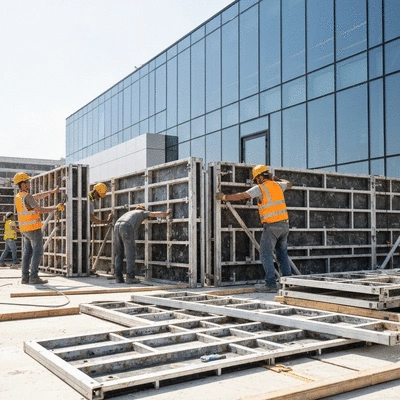
Defining Aluminium Formwork and Its Benefits
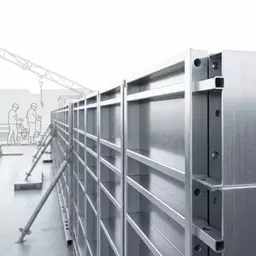
Aluminium formwork refers to a construction system made of aluminium panels that are designed to mold concrete into desired shapes. One of the standout advantages of this system is its lightweight nature, which eases transportation and handling. Additionally, the durability of aluminium allows for multiple reuses, making it not only efficient but also cost-effective.
- Speed of Installation: Quick assembly reduces labor time and accelerates project timelines.
- Precision: Provides accurate dimensions and smooth surface finishes for concrete. For more details on the importance of accurate formwork, refer to the ACI 347 guide on Formwork for Concrete.
- Sustainability: High reusability minimizes waste and promotes eco-friendly building practices.
- Safety: Lightweight materials reduce the risk of accidents during handling.
These benefits collectively enhance overall project effectiveness, aligning with our mission at Aluminium Formwork Online to empower construction professionals with practical knowledge that leads to superior results. So, whether you’re a builder, contractor, or engineer, understanding these advantages is essential for your projects.
Common Applications in Construction Projects
Aluminium formwork is versatile and finds applications across various types of construction projects. From residential buildings to commercial structures, this system can cater to diverse project needs. Here are some common uses:
- High-Rise Buildings: Ideal for tall structures due to its strength and stability.
- Residential Projects: Perfect for housing developments, allowing for rapid construction.
- Infrastructure Works: Used in bridges and tunnels where precision is critical. The Federal Highway Administration provides extensive resources on bridge construction, highlighting the need for efficient formwork systems.
- Industrial Facilities: Suitable for warehouses and factories that require large open spaces.
As I’ve seen in my decade-long career, selecting the right application of aluminium formwork can dramatically influence the project's success. Engaging with your engineering team to assess the project requirements is a step I highly recommend!
Exploring Formwork Systems: Types and Designs
Within the realm of aluminium formwork, various systems and designs cater to specific construction needs. Each type offers unique features that can enhance workflow efficiency. Here are some prominent types:
- Modular Systems: Flexible designs that can be easily adapted to different project shapes.
- Custom Solutions: Tailored formwork systems designed for unique structural requirements.
- Climbing Formwork: Used for vertical construction, allowing teams to work at height safely. Further information on formwork for various structures, including complex designs, can be found in resources like the FHWA's guidance on geotechnical engineering for infrastructure.
Understanding these types ensures that you can choose the right system for your projects. Remember, investing time in selecting the appropriate design and system can yield significant long-term benefits!
Interactive Poll: Your Thoughts on Aluminium Formwork
We want to hear from you! What aspect of aluminium formwork installation do you find most challenging? Select one of the options below:
Frequently Asked Questions (FAQs) about Aluminium Formwork Installation
Recapping the Key Takeaways for Aluminium Formwork Installation
As we wrap up our discussion on aluminium formwork installation, it's crucial to highlight the essential steps that ensure a smooth process. By keeping these steps in mind, you can enhance your workflow, minimize errors, and ultimately improve project outcomes.
- Conduct a thorough site inspection to assess readiness.
- Plan the installation phases meticulously and create a detailed timeline.
- Utilize effective material handling and storage practices.
- Prioritize precision in alignment and leveling techniques.
- Maintain quality control measures throughout the project.
Every step in the installation process is interconnected, and attention to detail can make a significant difference in the overall success of your project. As I often tell my clients at Aluminium Formwork Online, investing time in preparation pays off in spades!

Essential Steps for a Smooth Installation Process
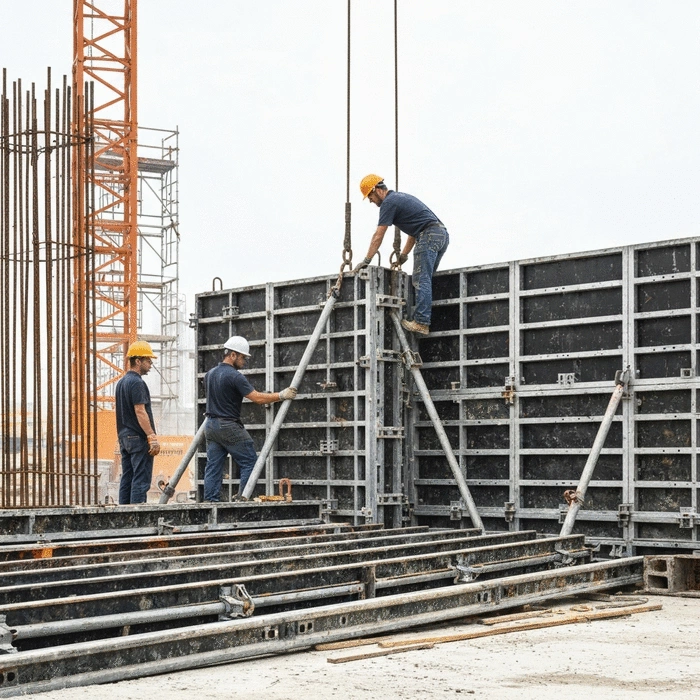
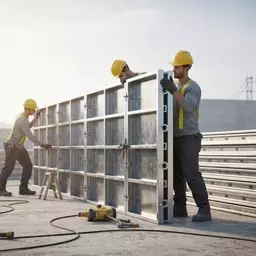
To execute a successful aluminium formwork installation, there are several key practices you'll want to adhere to. First and foremost, ensure that all team members are well-trained and understand the installation plan. Having clear communication among your crew fosters a collaborative environment and helps in avoiding misunderstandings.
- Review the project timeline and ensure all team members are on the same page.
- Designate roles and responsibilities clearly to enhance accountability.
- Utilize checklists to keep track of completed tasks during installation.
By following these essential steps, you not only streamline your workflow but also set a foundation for efficient project management. Remember, a well-prepared team is a confident team!
The Importance of Strategic Scheduling and Sequencing
Strategic scheduling and sequencing are the backbone of any successful installation process. When you break down the installation phases into manageable tasks, you effectively mitigate potential risks and delays. It's vital to respect the timeline and understand the dependencies between various activities.
- Identify critical paths that could impact the overall schedule.
- Allocate resources efficiently to avoid bottlenecks.
- Regularly review and adjust the schedule as needed based on ongoing assessments.
By maintaining a flexible yet structured approach to scheduling, you can adapt to real-time changes while keeping the project on track. This strategic mindset ultimately contributes to achieving faster, safer, and higher-quality construction outcomes!
Taking Action: Next Steps for Your Project
With the knowledge gained from our discussion, it’s time to take the next steps for your aluminium formwork project. Implementing the insights and strategies we've covered will empower you and your team to approach installation with confidence.
Implementing the Guide in Your Upcoming Projects
As you prepare to integrate these practices into your upcoming projects, don’t hesitate to reach out for support or guidance. At Aluminium Formwork Online, we’re here to assist you in optimizing your workflows and enhancing your project outcomes. Whether it’s through our technical resources or personalized consultations, we’re dedicated to helping you succeed!
Resources and Tools to Support Your Installation Efforts
In today’s fast-paced construction environment, leveraging the right tools can make all the difference. Here are some resources to consider as you gear up for your installation:
- Access to construction management software for efficient project tracking.
- Technical guides on aluminium formwork best practices.
- Community forums for sharing experiences and troubleshooting challenges.
Leveraging Construction Management Software for Efficiency
Construction management software can streamline your operations by providing a platform for scheduling, budgeting, and communication among team members. I recommend looking into options that offer features like real-time tracking, document sharing, and task management to enhance collaboration and keep everyone aligned.
By arming yourself with the right resources and tools, you can facilitate a smoother installation process that leads to successful project delivery. Let’s make your next aluminium formwork project the best one yet!
Recap of Key Points
Here is a quick recap of the important points discussed in the article:
- Aluminium formwork enhances construction efficiency through quick assembly and disassembly.
- Key benefits include speed of installation, precision in concrete shaping, sustainability through reusability, and increased safety.
- Common applications range from high-rise buildings to infrastructure works, showcasing its versatility.
- Understanding different systems, such as modular and custom solutions, is crucial for optimal project outcomes.
- Essential steps for installation include thorough site inspections, meticulous planning, and prioritizing precision and quality control.
 Proper maintenance of aluminum formwork can significantly impact project success. As construction pr
 Have you ever considered how a simple choice in construction materials can transform your project’
 In today’s rapidly evolving construction landscape, embracing innovative solutions is no longer op