Modular Aluminium Formwork Installation Options
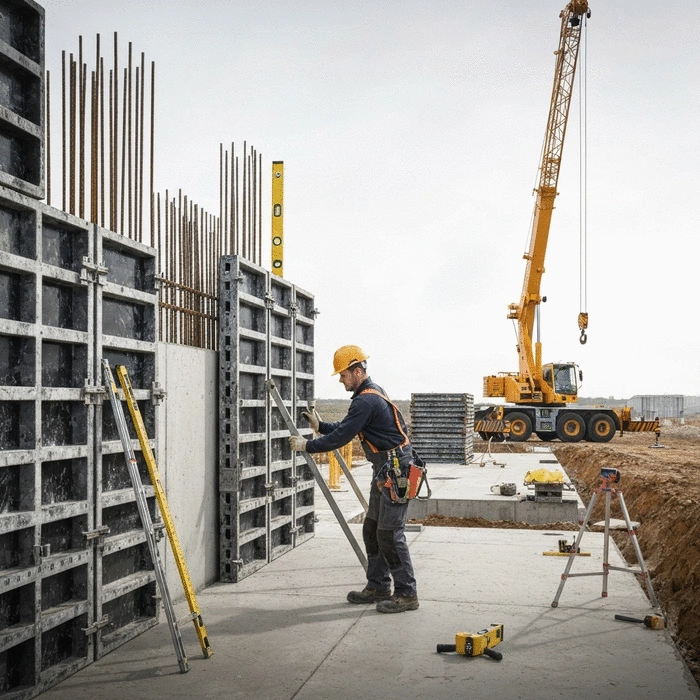
Posted on: 2026-01-20
By: Liam Marston
Did you know that utilizing modular aluminium formwork can significantly reduce construction time and costs? This innovative system is transforming how projects are completed in the construction industry. Let’s dive into the key insights that will elevate your understanding of modular aluminium formwork.
What You Will Learn
- Modular aluminium formwork allows for reduced construction time due to quick assembly and disassembly.
- The reusability of aluminium panels leads to significant cost savings on materials.
- Lightweight design enhances safety on construction sites by minimizing handling risks.
- Precision manufacturing of these systems contributes to improved structural quality and finish.
- Key installation methods include pin-and-wedge assembly, clip assembly, and prefabricated modules, each with distinct advantages.
- Utilizing prefabrication techniques can save time and reduce waste during the construction process.
- Effective project management strategies, such as early team involvement and site assessments, are crucial for optimal formwork selection.
Decision-Making Flowchart: Choosing Your Installation Method
To streamline your decision-making process, this flowchart guides you through selecting the most appropriate installation method for your aluminium formwork:
1. Project Type & Load Requirements?
(Residential, Commercial, Heavy Load)
2. Project Timeline & Budget?
(Tight Schedules, Cost Constraints)
3. Team Expertise Level?
(Familiarity with Pin-Wedge, Clip, Prefab)
Decision: Select Optimal Installation Method
Understanding Modular Aluminium Formwork Installation Methods
When it comes to modern construction, understanding modular aluminium formwork is crucial. This innovative system allows for a faster and more efficient method of building structures compared to traditional methods. By leveraging modular designs, construction teams can streamline their workflows, resulting in quicker completion times and enhanced project outcomes. So, what exactly is modular aluminium formwork, and how does it benefit your construction projects?
What is Modular Aluminium Formwork and Its Advantages?
Modular aluminium formwork is a construction system made from lightweight, durable aluminium panels that can be easily assembled and disassembled. This system is designed to form concrete structures efficiently while providing a high level of precision and repeatability. The advantages of using modular aluminium formwork include:
- Reduced Construction Time: With quick assembly and disassembly, projects can move forward faster.
- Cost-Effectiveness: The reusability of aluminium formwork reduces overall material costs.
- Enhanced Safety: Lightweight materials are easier to handle, minimizing the risk of accidents on-site. The OSHA regulations for formwork and shoring provide essential guidelines for maintaining safety standards.
- Improved Structural Quality: Precision manufacturing ensures a high-quality finish for concrete surfaces.
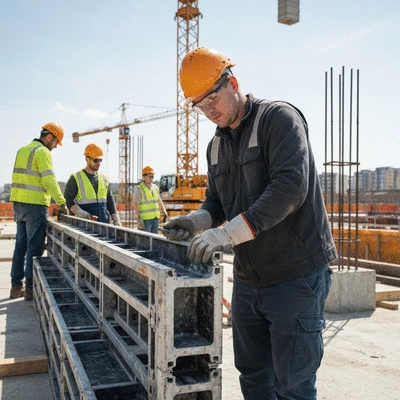
Considering these benefits, it’s evident why modular aluminium formwork has become a go-to choice for many builders and contractors. Have you thought about how this system could optimize your next project?
Key Features of Aluminium Formwork Systems
Aluminium formwork systems come equipped with several features that enhance their functionality and efficiency. Here are some of the key characteristics that set these systems apart:
- Modularity: Panels can be configured in various ways to fit unique project needs.
- Lightweight Design: Easy to transport and install, reducing labor time on-site.
- High Strength-to-Weight Ratio: This allows for more substantial structural integrity without the added weight.
- Durability: Aluminium is resistant to corrosion and can withstand harsh conditions, leading to longer lifecycle benefits.
By incorporating these features, aluminium formwork systems not only enhance the efficiency of construction but also contribute to improved safety and performance. As someone who has worked extensively in the field, I can attest to how these systems can make a significant difference in your workflow.
Types of Modular Aluminium Installation Methods
When it comes to installing aluminium formwork, there are several methods that teams can employ. Each method has its own benefits and considerations, making it essential to choose the right one for your specific project. Here are the primary installation methods:
- Pin-and-Wedge Assembly: This method uses pins to secure panels together, allowing for quick adjustments during installation.
- Clip Assembly: Utilizing clips for securing panels offers a fast and efficient setup, ideal for projects with tight schedules.
- Prefabricated Modules: Pre-constructed units can be assembled on-site, significantly speeding up the installation process. The Ontario government provides detailed information on prefabricated formwork systems, highlighting their benefits and applications.
Choosing the right installation method can greatly impact your construction timeline and overall efficiency. It's essential to evaluate the specific needs of your project to select the most suitable method. For a comprehensive overview of monolithic concrete construction and various formwork types, including plastic and aluminum, refer to the Technology Profile on Monolithic Construction.
Frequently Asked Questions (FAQs)
What is modular aluminium formwork?
Modular aluminium formwork is a construction system made from lightweight, durable aluminium panels designed for efficient assembly and disassembly to form concrete structures with high precision.
What are the main advantages of using modular aluminium formwork?
Key advantages include reduced construction time, cost-effectiveness due to reusability, enhanced safety due to lightweight materials, and improved structural quality from precision manufacturing.
What are the primary installation methods for modular aluminium formwork?
The main installation methods are Pin-and-Wedge Assembly (for quick adjustments), Clip Assembly (for fast and efficient setup), and Prefabricated Modules (for significantly speeding up on-site assembly).
How does prefabrication benefit modular aluminium formwork projects?
Prefabrication saves time by assembling elements off-site, ensures better quality control, and reduces material waste through precise measurements and controlled production.
What project management insights are crucial for selecting formwork?
Important insights include involving your team early, conducting thorough site assessments, planning for flexibility, and documenting all decisions to ensure optimal formwork selection and project success.
Prefabrication in Modular Aluminium Formwork: Benefits and Techniques
Prefabrication plays a vital role in the efficiency of modular aluminium formwork systems. By assembling elements off-site, teams can save time and reduce disruptions during the construction phase. The benefits of prefabrication include:
- Time Savings: Reduces on-site construction time, allowing for faster project delivery.
- Quality Control: Controlled manufacturing conditions lead to fewer defects and higher quality.
- Reduced Waste: Precise measurements and controlled production minimize material waste.
Utilizing prefabrication techniques not only enhances productivity but also contributes to sustainable building practices. At Aluminium Formwork Online, we emphasize the importance of these methods in modern construction workflows, ensuring our clients can achieve superior results in their projects.