Aluminium vs steel formwork comparison
Posted on: 2025-12-11
By: Liam Marston
In the world of construction, the choice of formwork material can make or break a project's success. With the right insights, you can optimize your workflows and ensure high-quality results. Here’s what you need to know about aluminum and steel formwork systems.
What You Will Learn
- Aluminum formwork is lightweight and modular, allowing for rapid assembly and disassembly, making it ideal for high-rise construction.
- Steel formwork offers exceptional durability and high load-bearing capacity, making it suitable for heavy-duty applications like bridges.
- Aluminum's natural corrosion resistance ensures a longer lifespan and lower maintenance costs compared to steel, which requires protective coatings.
- The thermal conductivity of aluminum influences curing times, which can impact the overall performance of the concrete.
Aluminum vs. Steel Formwork: A Comparative Overview
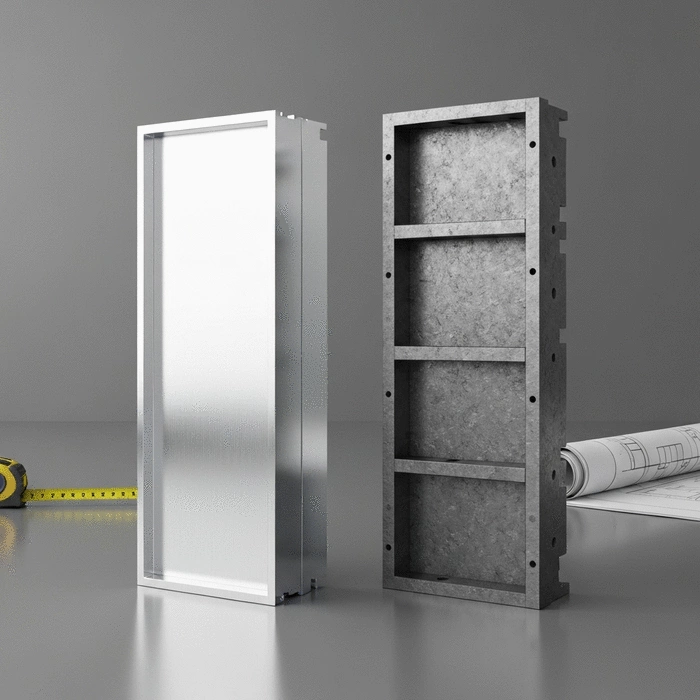
This visual highlights the key differences and characteristics of Aluminum and Steel Formwork, aiding in material selection for construction projects.
Aluminum Formwork
- •Weight: Lightweight, easy handling
- •Strength: Good for rapid cycles, less intense demands
- •Corrosion: Excellent resistance, long lifespan
- •Thermal Cond.: Higher, influences curing times
Steel Formwork
- •Weight: Heavier, challenges in transport/install
- •Strength: High structural integrity, heavy loads
- •Corrosion: Prone to rust, requires protective coatings
- •Thermal Cond.: Lower, specific thermal requirements
Project Suitability & Efficiency
Aluminum: Rapid construction cycles, high-rise buildings, ease of handling, corrosion resistance.
Steel: Heavy-duty applications, bridges, large structural elements, robustness, high load-bearing.
Understanding Aluminum Formwork and Steel Formwork
When we talk about formwork materials in construction, two names typically stand out: aluminum and steel. Both materials have unique properties and applications that affect project outcomes. As a seasoned construction engineer, I've seen firsthand how understanding these materials can impact efficiency, safety, and overall quality in construction projects.

At Aluminum Formwork Online, we are dedicated to providing builders and contractors with comprehensive insights into these systems. Let's dive into what makes aluminum and steel formwork distinct and how each can be leveraged effectively in your projects!
Defining Formwork Materials in Construction
What is Aluminum Formwork?
Aluminum formwork is a modular system made from high-strength aluminum that is used to shape concrete during the curing process. It is praised for its lightweight nature and modular design, allowing for quick assembly and disassembly. This adaptability makes it particularly suitable for projects requiring rapid construction cycles, like high-rise buildings.
Additionally, aluminum formwork is known for its durability and ability to produce high-quality surface finishes, reducing the need for extensive post-casting work. This efficiency can result in significant time savings on the job site! For more information on the benefits and applications of aluminum formwork, you can refer to this detailed study on its characteristics.
What is Steel Formwork?
Steel formwork, on the other hand, consists of heavy-duty steel panels that provide a strong and stable framework for pouring concrete. It is favored for its robustness and ability to withstand the high pressures of wet concrete, making it ideal for heavy-duty applications like bridges and large structural elements.
While steel formwork can be heavier and more complex to handle compared to aluminum, its longevity and high load-bearing capacity make it a preferred choice for many contractors focused on durability.
Key Material Properties of Aluminum vs. Steel
Weight and Ease of Handling
One of the most significant differences between aluminum and steel formwork is their weight. Aluminum is much lighter, which translates to easier handling on-site. Less weight means faster assembly, fewer labor hours, and reduced risk of worker injury. Conversely, steel's weight can pose challenges during transport and installation. However, its strength allows it to handle more demanding applications.
- Aluminum: Lightweight and easy to transport
- Steel: Heavier but capable of supporting larger loads
Choosing the right material often comes down to your project's specific requirements and the capabilities of your team.
Strength and Durability Performance
When it comes to strength, steel formwork typically holds an advantage due to its structural integrity. It can bear heavy loads and withstand harsh conditions without significant wear and tear. On the other hand, while aluminum is strong, it is more suitable for projects that require less intense structural demands. A comparative analysis of various formwork materials, including their strength and durability, can be found in this comprehensive study on formwork systems.
Both materials are capable of producing excellent concrete finishes, but understanding their limitations is key to selecting the right formwork for your project.
Corrosion Resistance and Lifespan
One of the standout features of aluminum is its natural resistance to corrosion. This makes it an ideal choice for projects exposed to moisture or aggressive environments, ensuring a longer lifespan and lower maintenance costs. In contrast, steel is prone to rust and requires protective coatings to maintain its integrity over time.
- Aluminum: Excellent corrosion resistance and longevity
- Steel: Requires maintenance to prevent corrosion
Choosing the right material can lead to significant long-term savings and a more efficient construction process.
Comparing Thermal Conductivity of Aluminum and Steel
Thermal conductivity is another important factor in selecting formwork materials. Aluminum has a higher thermal conductivity compared to steel, meaning it conducts heat more effectively. This property can influence curing times and the overall performance of the concrete during the curing process. For a deeper understanding of how thermal properties affect concrete curing, this academic paper on thermal conductivity in construction materials provides valuable insights.
In essence, your decision may hinge on the thermal requirements of your project and how they align with the characteristics of the formwork materials.
Quick Poll: Your Preferred Formwork Material
We're curious to know your thoughts! Which formwork material do you prefer for your construction projects? Let us know by selecting one of the options below:
Summarizing Key Takeaways in Formwork Selection
As we reflect on the important aspects of formwork selection, it's essential to tailor decisions to the unique needs of your project. The right formwork material not only impacts the construction timeline but also influences safety, efficiency, and overall project costs. Whether you’re leaning towards aluminum or steel, considering your specific requirements will lead to better outcomes.

In my experience with construction projects, aligning your material choice with project goals can make all the difference. Let's dive into what you should consider when evaluating your project needs.
Evaluating Your Project Needs
When it comes to selecting the appropriate formwork material, a few key factors should guide your decision-making process.
- Project Scale: What size and complexity does your project entail? High-rise buildings may benefit from aluminum's lightweight properties, while heavy infrastructure often requires the strength of steel.
- Budget Constraints: Understanding both initial and long-term costs can help in making a financially sound choice.
- Design Requirements: Considerations like curves and unique shapes might push you towards one material over the other.
By addressing these factors, you can move forward confidently in choosing the right formwork for your project's success.
Determining the Right Formwork Material
Deciding between aluminum and steel formwork involves understanding the inherent properties of each and how they align with your project needs. Aluminum is a great choice for its ease of handling and quicker assembly, while steel provides unmatched durability and load capacity.
Engaging in discussions with your engineering team early in the project can provide clarity on these decisions. Have you considered how the choice of formwork will affect your overall construction strategy?
Considerations for Future Projects and Investments
Don’t just think about the immediate project—also consider how your choice influences future initiatives. Are you investing in materials that will serve you well in other upcoming projects? Formwork systems that are versatile and reusable can lead to substantial savings over time.
Investing in aluminum formwork can yield benefits in multiple projects due to its lightweight nature and ease of transport. This is a conversation worth having with your procurement team!
Impact of Prefabrication on Project Timelines
Utilizing prefabrication techniques can significantly streamline the construction process. By assembling formwork off-site, you can reduce labor costs and minimize delays. Have you explored how prefabricated formwork systems could enhance your efficiency?
With the right planning and the adoption of modern techniques, project timelines can be shortened dramatically, leading to faster, more efficient builds.
Frequently Asked Questions (FAQs)
- Q: What are the primary advantages of aluminum formwork?
- A: Aluminum formwork is lightweight, allowing for rapid assembly and disassembly. It is also modular, highly durable, produces high-quality surface finishes, and offers excellent corrosion resistance, making it ideal for high-rise buildings and projects requiring quick construction cycles.
- Q: Why is steel formwork preferred for heavy-duty applications?
- A: Steel formwork is preferred for heavy-duty applications like bridges and large structural elements due to its exceptional robustness, high structural integrity, and superior load-bearing capacity. It can withstand the high pressures of wet concrete effectively.
- Q: How does corrosion resistance differ between aluminum and steel formwork?
- A: Aluminum formwork has natural resistance to corrosion, which contributes to a longer lifespan and lower maintenance costs, especially in moist or aggressive environments. Steel formwork, conversely, is prone to rust and requires protective coatings to maintain its integrity over time.
- Q: What role does thermal conductivity play in formwork selection?
- A: Thermal conductivity is crucial because it influences concrete curing times. Aluminum has higher thermal conductivity, meaning it conducts heat more effectively, which can impact the overall performance of the concrete. Steel has lower thermal conductivity, requiring specific thermal considerations during the curing process.
- Q: What factors should be considered when choosing between aluminum and steel formwork?
- A: Key factors include project scale (e.g., high-rise vs. heavy infrastructure), budget constraints (initial and long-term costs), and design requirements (e.g., complex curves). Additionally, consider the impact on project timelines, labor efficiency, and potential for future reuse.
Final Recommendations for Construction Professionals
As we wrap up this discussion, here are some final recommendations to keep in mind as you navigate formwork selection:
- Balancing Cost, Durability, and Suitability: Always weigh the pros and cons of each material in relation to your specific project needs.
- Incorporating Innovations: Stay open to new technologies in formwork design that can improve your workflow and reduce costs.
- Staying Updated: Regularly consult industry standards to ensure compliance and best practices in your projects.
By incorporating these recommendations into your decision-making process, you’ll be better equipped to choose the right formwork that meets both your immediate and future construction needs.
Engaging with the Community for Better Insights
One of the best ways to enhance your understanding of formwork is to connect with fellow professionals in the industry. Sharing experiences can lead to valuable insights that benefit all involved. Are you ready to engage in discussions around formwork practices?
Participating in forums or local meetups can amplify your knowledge base and allow you to glean tips from others’ successes and challenges.
Explore Further Resources on Formwork Materials
To dive deeper into the intricacies of formwork materials, consider accessing our collection of detailed guides and case studies at Aluminum Formwork Online. These resources are designed to empower you with the knowledge needed for superior project outcomes.
Let’s continue to learn and improve together in the ever-evolving world of construction!
Recap of Key Points
Here is a quick recap of the important points discussed in the article:
- Material Properties: Aluminum formwork is lightweight and easy to handle, while steel formwork is robust and suitable for heavy-duty applications.
- Corrosion Resistance: Aluminum is naturally corrosion-resistant, making it ideal for moist environments. Steel requires protective coatings to maintain its integrity.
- Thermal Conductivity: Aluminum has higher thermal conductivity, which can affect concrete curing times.
- Project Needs: Consider project scale, budget constraints, and design requirements when choosing between aluminum and steel formwork.
- Future Considerations: Invest in versatile and reusable formwork systems to enhance efficiency and reduce costs in future projects.
2026-05-01
Aluminum Formwork Safety Standards Explained
 In the world of construction, the importance of safety cannot be overstated. A single overlooked sta
2026-04-24
Repairing Damaged Aluminium Formwork Safely
 What if a small change in your construction process could lead to faster project completion and redu
2026-04-19
Risk Management in Aluminium Formwork
 Proper risk management is crucial in aluminum formwork projects, and understanding its nuances can l