Did you know that aluminum formwork can significantly reduce construction time and enhance the quality of concrete finishes? As we explore the features and benefits of this innovative system, you'll discover how it can transform your construction projects into efficient and sustainable endeavors.
What You Will Learn
Aluminum formwork systems are lightweight, modular, and designed for quick assembly and disassembly, streamlining the construction process.
This system allows for high precision and quality in concrete finishes, meeting modern building standards and aesthetic requirements.
Although initial costs may be higher, aluminum formwork offers long-term savings through durability and reusability across multiple projects.
Choosing aluminum formwork is particularly beneficial for tight project timelines, sustainability goals, and when high-quality finishes are required.
This visual highlights the key differences between aluminium, steel, and timber formwork, alongside the advantages and disadvantages of using aluminium systems in construction projects.
Comparison: Aluminium vs. Steel & Timber
⚡
Weight: Aluminium is significantly lighter than steel, easier to handle and transport.
💰
Cost: Higher initial costs, but long-term savings through reusability for aluminium.
⏰
Speed: Quick assembly of aluminium forms accelerates project timelines.
Aluminium Formwork: Advantages & Disadvantages
✓ Speed: Shorter timelines
✖ Cost: Higher initial investment
✓ Durability: Reusable for projects
✖ Repair: Challenges with deformation
✓ Precision: High-quality finishes
✖ Labor: Requires skilled technicians
When to Choose Aluminium Formwork
• Tight project timelines and rapid construction needs.
• Anticipated need for reusable formwork in future projects.
• High precision and quality finishes are design requirements.
• Sustainability is a priority in construction practices.
• Access to skilled labor familiar with aluminium systems.
Key Features of Aluminium Formwork
●Modular Design: Panels configurable in various shapes and sizes for adaptability.
●Lightweight: Easy handling, transport, and quick installation.
●Durability: Designed for repeated use without significant wear, ensuring longevity.
Understanding the Aluminium Formwork System: Key Features and Applications
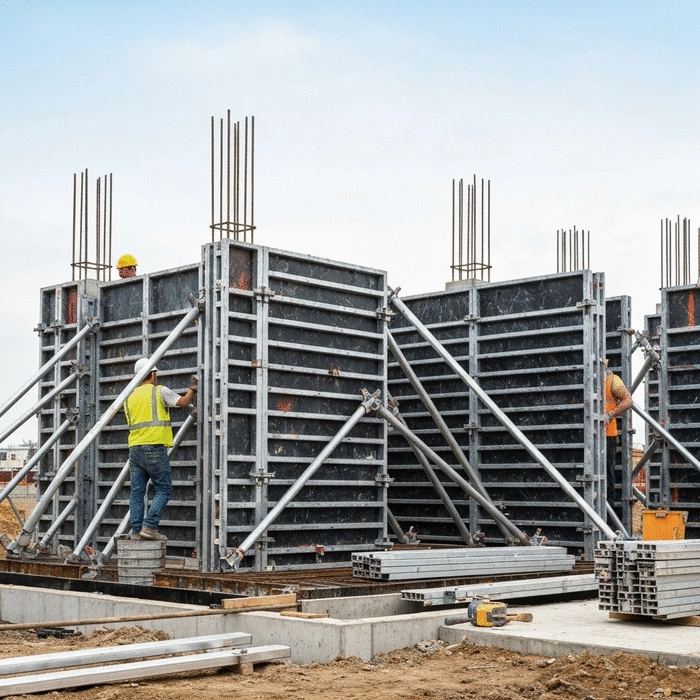
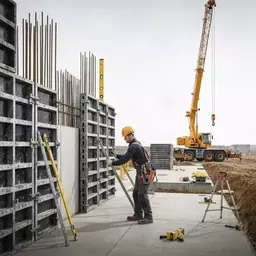
An aluminium formwork system is a highly efficient construction method that utilizes modular aluminum panels to create the framework for concrete structures. These systems are specifically designed to be lightweight yet strong, allowing for quick assembly and disassembly. This versatility is one of the main reasons builders and contractors, like those who visit Aluminium Formwork Online, are increasingly adopting aluminium formwork for their construction projects.
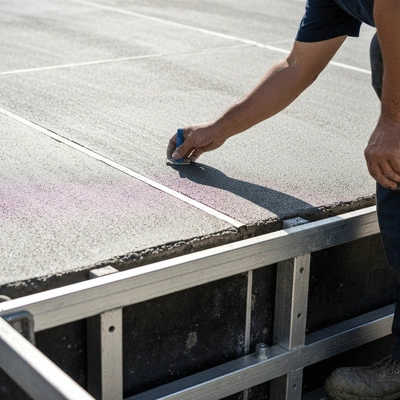
Unlike traditional formwork methods, aluminium systems can be easily adapted to various project needs, making them an excellent choice for projects ranging from residential buildings to large commercial developments. They not only offer structural support but also ensure smooth and quality concrete finishes, which are critical for achieving high aesthetic standards!
What is an Aluminium Formwork System?
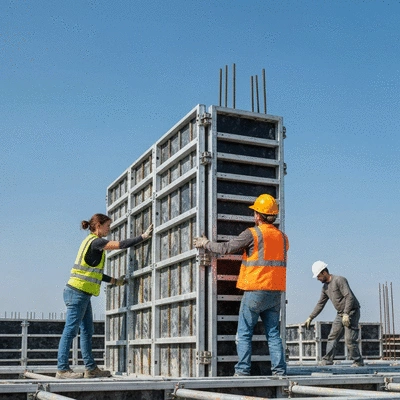
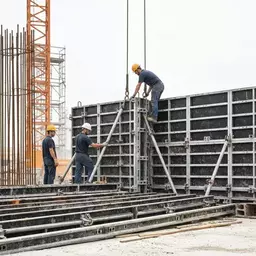
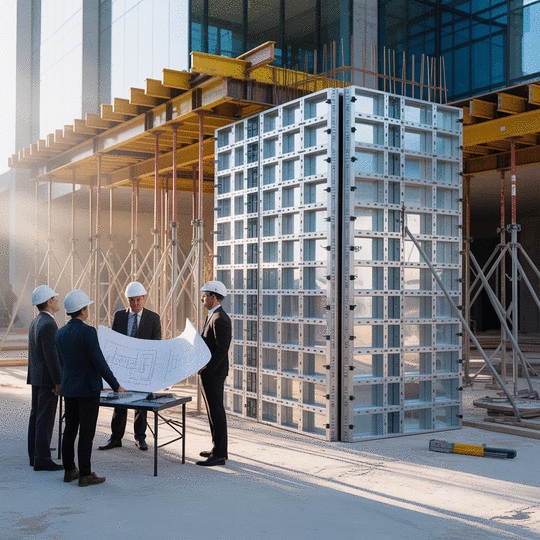
At its core, an aluminium formwork system consists of pre-engineered panels that are assembled to create the desired shape for concrete pouring. These panels are typically designed to fit together seamlessly, reducing the need for extensive labor and minimizing waste. In my experience, using these systems can significantly streamline the construction process, resulting in faster project completion times.
Modular Design: Panels can be configured in various shapes and sizes.
Lightweight: Easy to handle, transport, and install.
Durability: Designed for repeated use without significant wear.
Furthermore, aluminium formwork can be customized with various features, allowing for unique architectural designs while maintaining the structural integrity of the project. This adaptability is a game-changer for engineers and contractors seeking innovative solutions!
The Relevance of Aluminium Formwork in Modern Construction
In today’s construction landscape, the need for efficiency, speed, and precision is paramount. Aluminium formwork addresses these demands exceptionally well. By utilizing these systems, construction teams can not only enhance productivity but also ensure consistent quality in concrete finishes, which is crucial for meeting modern building standards.
Moreover, the rising focus on sustainability in construction practices makes aluminium formwork highly relevant. Its reusability and potential for reducing waste contribute positively to environmental goals—an aspect that I emphasize to clients when discussing project planning.
Comparison with Other Formwork Systems: Steel and Timber Options
When comparing aluminium formwork to traditional systems like steel and timber, several key differences emerge. Each material has its strengths, but aluminium stands out in several ways:
Weight: Aluminium is significantly lighter than steel, making it easier to transport and install.
Cost: While initial costs may be higher, long-term savings through reusability make aluminium more economical.
Speed: The quick assembly of aluminium forms can accelerate project timelines compared to both steel and timber.
Furthermore, while timber is often susceptible to moisture and can warp over time, aluminium remains unaffected by such elements, ensuring a longer lifespan. This durability is a key reason I encourage clients to consider aluminium formwork for their projects!
Pro Tip
When utilizing aluminium formwork, consider implementing a detailed assembly plan. This not only minimizes downtime during construction but also enhances the overall efficiency of your project. By coordinating with your team ahead of time, you can streamline workflows, anticipate challenges, and ultimately achieve a smoother construction process.
Summarizing the Advantages and Disadvantages of Aluminium Formwork
As we dive deeper into the world of aluminium formwork, it’s essential to take a step back and weigh the pros and cons. Understanding both sides can empower you to make informed decisions for your projects. I’ve seen firsthand how many contractors struggle with this balance, often confused by the varying information out there. So, let’s break it down!
Advantages: Speed of construction, cost efficiency, durability, precision in finishes, environmental benefits, and reduced labor needs.
Disadvantages: Higher initial costs, repair challenges, need for skilled labor, design limitations, and weather dependency.
This summary highlights that while aluminium formwork has numerous advantages, there are also valid concerns that project managers must address. The key is to evaluate how these factors align with your project goals.
Weighing the Pros and Cons for Informed Decision Making
When considering whether to use aluminium formwork, it’s critical to conduct a thorough analysis of its advantages and disadvantages. Here’s how you can think about it:
Advantages:
**Speed**: Aluminium formwork can significantly shorten project timelines, as discussed in recent research.
**Cost efficiency**: Although initial costs are high, long-term savings can be substantial due to reusability.
**Durability**: These systems are built to last, often reusable for multiple projects, contributing to overall project efficiency.
**Precision**: Achieves high-quality concrete finishes that meet modern standards.
**Environmental impact**: Supports sustainable building practices through reduced waste and reusability.
**Labor reduction**: Requires fewer workers compared to traditional methods for assembly and disassembly.
Disadvantages:
**Initial costs**: Upfront investment can be daunting for some projects.
**Repair challenges**: Managing deformation and wear may require skilled maintenance, posing a potential hurdle.
**Labor requirements**: Skilled technicians are needed for proper implementation and maintenance.
**Design limits**: Flexibility can be an issue in unique or custom projects, as noted in studies on formwork systems.
**Weather effects**: Performance can be influenced by environmental conditions, requiring careful planning.
Weighing these pros and cons will provide clarity as you navigate your options. It’s about finding the right fit for your unique project needs!
When to Choose Aluminium Formwork: Guidelines for Project Managers
Choosing aluminium formwork can be a game-changer for projects requiring efficiency and quality. Here are some guidelines to help you determine when to go this route:
If your project timeline is tight and requires rapid construction.
When you anticipate needing reusable formwork for future projects.
If your design specifications demand high precision and quality finishes.
When sustainability is a priority for your construction practices.
If your team has access to skilled labor familiar with aluminium systems.
By following these guidelines, you can effectively assess whether aluminium formwork is the right choice for your specific project context. It's always wise to consider both the immediate and long-term implications of your decision.
Recap of Key Points
Here is a quick recap of the important points discussed in the article:
Aluminium formwork systems are lightweight and modular, allowing for quick assembly and disassembly.
These systems provide adaptability for various project needs, enhancing efficiency and quality in concrete finishes.
Key advantages include speed of construction, cost efficiency through reusability, and environmental sustainability.
Challenges include higher initial costs and the need for skilled labor for effective implementation.
When to choose aluminium formwork includes tight project timelines, high precision requirements, and sustainability priorities.
Frequently Asked Questions About Aluminum Formwork
Q: What are the primary benefits of using aluminum formwork?
A: The primary benefits include reduced construction time due to quick assembly, enhanced quality of concrete finishes, long-term cost savings through reusability, and contributions to sustainable building practices.
Q: How does aluminum formwork compare to steel and timber formwork?
A: Aluminum formwork is significantly lighter than steel, making it easier to transport and install. While it has higher initial costs, its reusability often leads to long-term savings. It also offers faster assembly times compared to both steel and timber, and unlike timber, it is not susceptible to moisture or warping.
Q: What are the main disadvantages of aluminum formwork?
A: The primary disadvantages include higher initial investment costs, potential challenges with repairing deformation, the need for skilled technicians for proper implementation, and some design limitations for highly unique or custom projects.
Q: When is aluminum formwork the most appropriate choice for a project?
A: Aluminum formwork is ideal for projects with tight timelines, those requiring high precision and quality finishes, when reusability for future projects is anticipated, and when sustainability is a key priority. Access to skilled labor familiar with these systems is also beneficial.
Q: Can aluminum formwork be customized for different architectural designs?
A: Yes, aluminum formwork systems are modular and can be configured in various shapes and sizes. While there might be some limitations for extremely unique designs compared to traditional methods, they offer considerable adaptability to achieve diverse architectural requirements while maintaining structural integrity.
Your go-to resource for mastering aluminium formwork systems. We help builders, contractors, and engineers with technically sound guidance and practical insights for superior project outcomes.
Trusted by industry professionals, our mission is to provide reliable, easy-to-follow insights backed by extensive engineering expertise and modern construction standards.