Optimize Your Formwork Projects!

Unlock expert insights on aluminium formwork systems and concrete casting workflows. Subscribe for cutting-edge technical guidance.

Aluminium Formwork in Home Construction


aluminium formwork for residential buildings

Posted on: 2025-12-11
By: Liam Marston


When it comes to modern construction, the choice of formwork can significantly impact project efficiency. Have you considered how aluminium formwork might streamline your next residential building project?

What You Will Learn

  • Aluminium formwork systems are lightweight yet durable, allowing for quick assembly and reducing labor costs.
  • This formwork provides enhanced speed in construction, helping to meet tight project timelines.
  • Reusability of aluminium panels contributes to sustainability and overall cost savings on future projects.
  • Compared to traditional concrete formwork, aluminium systems offer better concrete finishing quality due to superior control during pouring.

Aluminium Formwork vs. Traditional Concrete Formwork Comparison

This visual highlights the key advantages of aluminium formwork over traditional concrete formwork in construction projects.

Aluminium Formwork

  •  Lightweight, easy to handle
  •  Highly durable, reusable multiple times
  •  Quick assembly and disassembly
  •  Improved concrete finish quality
  •  Significant reduction in construction time

Traditional Concrete Formwork

  •  Heavier, more difficult to handle
  •  Degrades quicker, limited reusability
  •  Time-consuming setup and dismantling
  •  Variable concrete finish quality
  •  Longer project completion times

Understanding Aluminium Formwork for Residential Buildings

When it comes to modern construction, aluminium formwork has become a game-changer, especially in residential buildings. But what exactly is it? Aluminium formwork is a system of prefabricated panels and components made from aluminium that are used to create molds for pouring concrete. This innovative approach allows for quicker assembly, superior precision, and less waste compared to traditional methods. Let’s dive deeper into how it works and why it might be the right choice for your project.

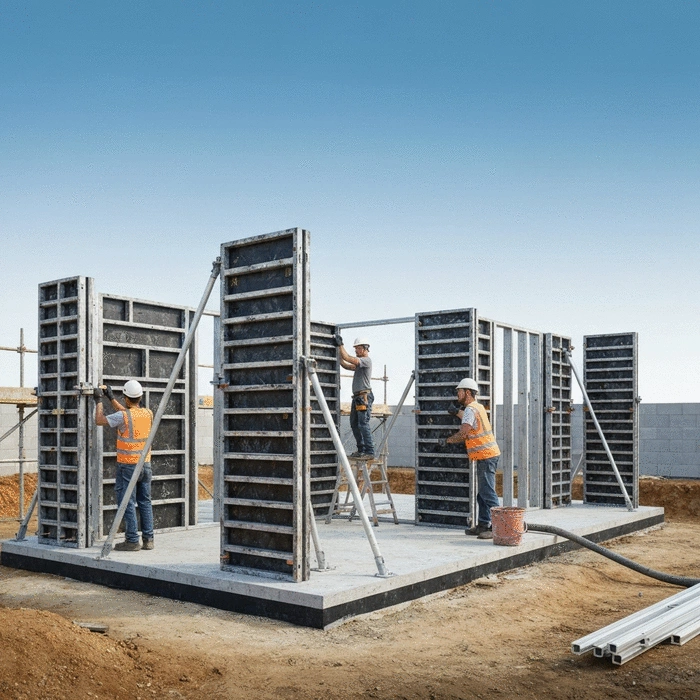
Aluminium formwork systems consist of interlocking panels that are designed to be lightweight yet incredibly strong. Once the panels are set up, concrete is poured into the molds, forming the structural elements of the building. After the concrete cures, the panels can be removed and reused for future projects, making this system not only efficient but also sustainable. The global market for these systems is experiencing significant growth, as detailed in reports like the Aluminum Formwork System Market report by ResearchAndMarkets.com.

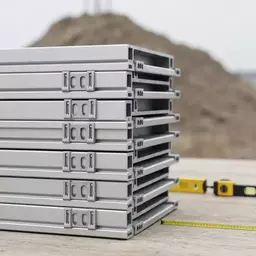
Detailed view of an aluminium formwork system components on a construction site

What is Aluminium Formwork and How Does it Work?

At its core, aluminium formwork is all about efficiency. The formwork is pre-engineered and can be assembled quite rapidly on site. This speed not only reduces construction time but also minimizes labor costs. The lightweight nature of aluminium allows fewer workers to handle larger sections, making the installation easier and safer. A comprehensive study on the benefits of these systems can be found in the International Journal of Multidisciplinary Research, which highlights their efficiency in modern construction.

  • Modular design allows for flexible configurations.
  • Quick assembly and disassembly processes save time.
  • Highly durable, capable of withstanding multiple uses.

These features make aluminium formwork a popular choice in residential construction, particularly for developers looking to optimize their workflows and achieve timely project completion.

Why Choose Aluminium Formwork for Your Residential Project?

Choosing the right formwork system is crucial for the success of any construction project. Here’s why aluminium formwork stands out:

  • Enhanced speed of construction, leading to quicker project completion.
  • Cost savings due to reduced labor and material waste.
  • Improved quality of concrete finishes as the system provides better control over the pouring process.
  • Reusability, which contributes to sustainability and lower overall costs.

These benefits make aluminium formwork an attractive option for contractors and builders who aim for both quality and efficiency. As someone who has been in the construction field for over a decade, I can personally attest to how these systems can transform project dynamics.

Comparing Aluminium Formwork Systems with Concrete Formwork

When comparing aluminium formwork to traditional concrete formwork, the differences are striking. While concrete formwork is often heavier and more time-consuming to set up, aluminium offers several advantages:

  • Weight: Aluminium is significantly lighter, making it easier to handle.
  • Durability: Aluminium panels can withstand the rigors of construction without warping or degrading.
  • Reusability: Unlike wooden forms that degrade over time, aluminium can be reused multiple times without loss of performance.

This comparison highlights why many builders, including those I work with at Aluminium Formwork Online, are shifting towards aluminium formwork systems for their residential projects. The efficiency and reliability of these systems can help you achieve the project outcomes you desire! Further insights into the market trends for these systems can be found in the Aluminium Formwork System Market report by WiseGuyReports.

Pro Tip

Did you know? Incorporating modular aluminium formwork not only speeds up the construction process but also enhances the overall quality of your concrete structures? By providing better control over the pouring process, you can achieve smoother finishes and reduce the likelihood of defects. This means that choosing aluminium formwork can lead to both time and cost savings in the long run!

Summarizing the Value of Aluminium Formwork for Residential Builders

In the world of residential construction, aluminium formwork stands out as a formidable option. It revolutionizes the way builders approach their projects, providing a blend of speed, cost-effectiveness, and durability. After exploring its features and benefits, it's clear that opting for aluminium formwork is more than just a trend—it's a strategic decision!

Here are the key takeaways on why aluminium formwork is a smart choice for your next residential project:

  • Accelerated Construction: With its easy assembly and disassembly, aluminium formwork can significantly reduce project timelines.
  • Cost Savings: Compared to traditional materials, aluminium formwork minimizes labor and material costs, providing excellent ROI.
  • Durability: Designed for multiple uses, it withstands wear and tear, ensuring long-term savings.
  • Design Flexibility: Its lightweight nature allows for innovative designs that can adapt to various architectural requirements.

Incorporating aluminium formwork into your builds can enhance both the efficiency and quality of your projects. Leveraging these benefits means not only faster completion but also superior outcomes that resonate with modern construction demands!


Frequently Asked Questions (FAQs)

Aluminium formwork is a system of prefabricated panels and components made from aluminium, used to create molds for pouring concrete in construction projects, particularly in residential buildings.

It offers several benefits including accelerated construction times, significant cost savings due to reduced labor and material waste, enhanced durability, and greater design flexibility.

Yes, aluminium panels are highly durable and can be reused multiple times across different projects, which contributes to both sustainability and long-term cost savings.

Aluminium formwork is lighter, easier to handle, more durable, and offers quicker assembly and disassembly compared to traditional concrete formwork, leading to better concrete finish quality and faster project completion.

Look for suppliers with a proven track record, high product quality, reliable technical support, and excellent customer service. Also, consider their ability to meet delivery timelines and provide warranties.

Next Steps: How to Incorporate Aluminium Formwork in Your Building Plans

Now that you understand the value of aluminium formwork, it’s time to consider how to integrate this innovative solution into your building plans. Here are some actionable steps to get started:

  • Consult with Experts: Engage with your engineering team or a trusted supplier like Aluminium Formwork Online to discuss your specific project needs.
  • Evaluate Project Specifications: Determine the dimensions and design requirements that will benefit from aluminium formwork.
  • Budget Considerations: Analyze the cost implications of switching to aluminium formwork versus traditional systems.
  • Training and Familiarization: Ensure your team is trained on the installation and handling of aluminium formwork for optimal results.

Following these steps will pave the way for a seamless transition to using aluminium formwork in your projects. Remember, it's not just about building faster; it's about building better!

Engaging with Aluminium Formwork Suppliers

Finding Reliable Suppliers: What to Look For

Engaging with suppliers is a critical aspect when considering aluminium formwork for your projects. The right supplier will provide not only the materials you need but also invaluable expertise and support throughout your construction journey.

  • Experience and Reputation: Look for suppliers with a proven track record in the industry.
  • Product Quality: Ensure that the aluminium formwork systems offered meet industry standards and specifications.
  • Technical Support: A good supplier should provide assistance with system installation and maintenance.
  • Customer Service: Assess their responsiveness and willingness to assist with your project needs.

Finding the right partner in your aluminium formwork journey can significantly impact your project's success. Don’t hesitate to ask for references or case studies to gauge their credibility!

Questions to Ask Before Committing to an Aluminium Formwork Solution

Before you finalize your choice of supplier, make sure to ask the right questions. This will help clarify expectations and ensure that you’re making an informed decision:

  • What is the expected delivery timeline for the materials?
  • Are there any warranties or guarantees associated with the formwork systems?
  • Can you provide examples of similar projects you have supported?
  • What are the recommended maintenance practices for the aluminium formwork?

Being thorough in your inquiries will not only build confidence in your supplier but also set the stage for a successful project!

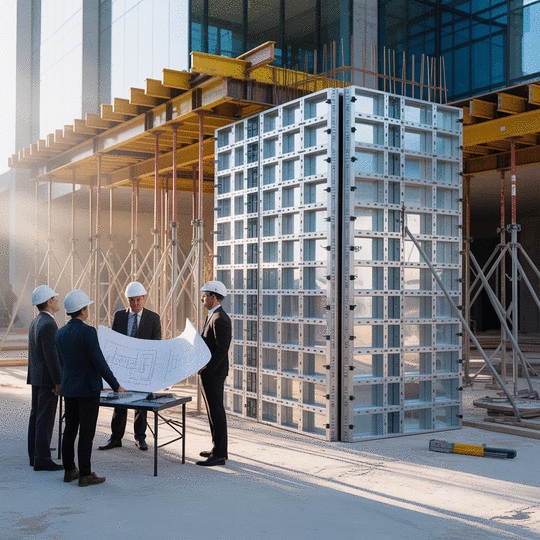
Construction team discussing plans with aluminium formwork in the background

Building Supply Chain Considerations for Aluminium Formwork Procurement

When procuring aluminium formwork, it’s essential to consider supply chain dynamics. Efficient procurement can lead to timely project completion and budget management.

  • Local vs. International Suppliers: Evaluate the pros and cons of sourcing locally versus importing materials.
  • Inventory Management: Ensure your supplier can meet your project timeline without delays.
  • Logistics and Delivery: Clarify the logistics involved in transporting materials to your site.
  • Cost-Effectiveness: Analyze any potential cost implications related to the supply chain.

By considering these factors, you can optimize your procurement processes and ensure that your use of aluminium formwork aligns with your project goals. Building strong relationships with suppliers will ultimately support your success in the competitive landscape of residential construction!

Recap of Key Points

Here is a quick recap of the important points discussed in the article:
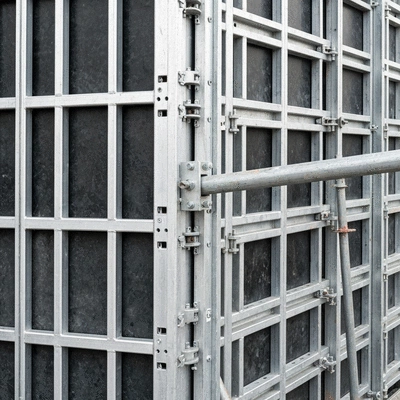
  • Accelerated Construction: Aluminium formwork allows for quick assembly and disassembly, significantly reducing project timelines.
  • Cost Savings: This system minimizes labor and material costs compared to traditional methods, providing excellent return on investment.
  • Durability: Designed for multiple uses, aluminium formwork withstands wear and tear, ensuring long-term savings.
  • Design Flexibility: Its lightweight nature accommodates various architectural requirements, allowing innovative designs.
  • Environmental Sustainability: Reusable formwork contributes to reduced waste and promotes sustainable construction practices.

Subscribe & Share
Aluminium Formwork Installation Guide Step-by-Step Guide to Scheduling and Sequencing Aluminium Formwork Installation Have you considered how the choice of formwork can dramatically impact your construction planning? A
Modular Aluminium Formwork Installation Options Comparing Modular Aluminium Formwork Installation Methods: Which Suits Your Project? Did you know that utilizing modular aluminium formwork can significantly reduce construction time an
Modular Aluminum Formwork Assembly Guide Step-by-Step Guide to Modular Aluminum Formwork Assembly and Installation When considering new technologies in construction, the potential to enhance efficiency often lies in
Banner
Aluminium Formwork Online

Your go-to resource for mastering aluminium formwork systems. We help builders, contractors, and engineers with technically sound guidance and practical insights for superior project outcomes.

Trusted by industry professionals, our mission is to provide reliable, easy-to-follow insights backed by extensive engineering expertise and modern construction standards.

Learn More
Recent Posts
Step-by-Step Guide to Scheduling and Sequencing Aluminium Formwork Installation Aluminium Formwork Installation Guide

Have you considered how the choice of formwork can

Comparing Modular Aluminium Formwork Installation Methods: Which Suits Your Project? Modular Aluminium Formwork Installation Options

Did you know that utilizing modular aluminium form

Step-by-Step Guide to Modular Aluminum Formwork Assembly and Installation Modular Aluminum Formwork Assembly Guide

When considering new technologies in construction,

Aluminium Formwork Insights