Key Components of Aluminium Formwork
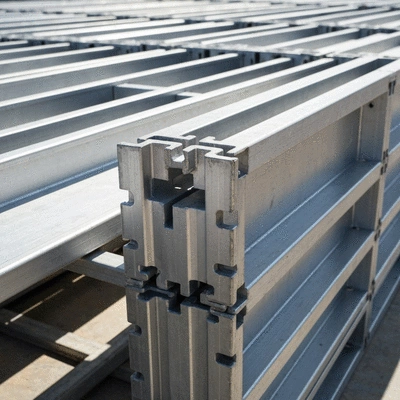
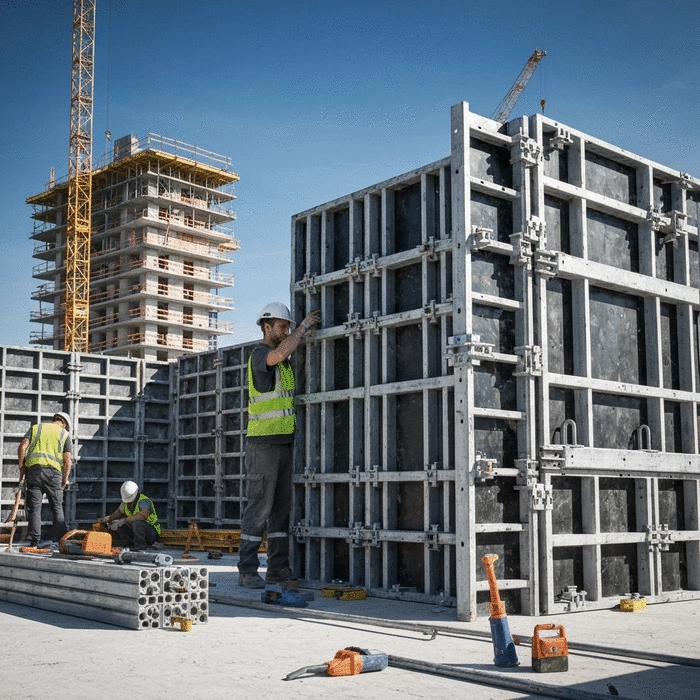
- • Panels: Primary elements shaping concrete.
- • Corner & Edge Elements: Provide structural stability.
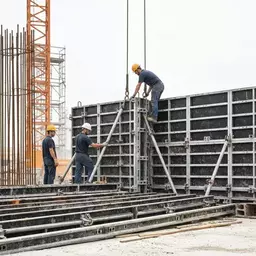
- • Bracing Systems: Ensure alignment during pouring.
- • Accessories: Ties and brackets for enhanced support.
Unlock expert insights on aluminium formwork systems and concrete casting workflows. Subscribe for cutting-edge technical guidance.
Posted on: 2025-12-11
By: Liam Marston
As the construction industry evolves, staying updated on innovative materials like aluminium formwork can significantly enhance project efficiency. Are you ready to discover how this solution is transforming high-rise building methods?
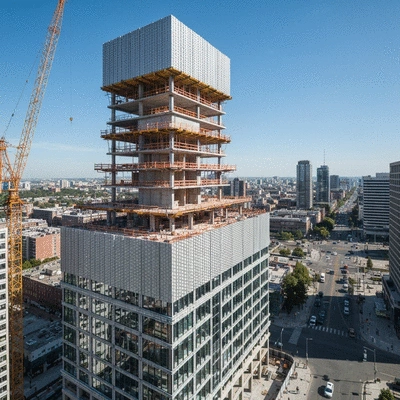
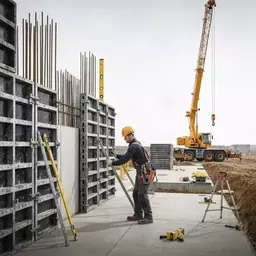
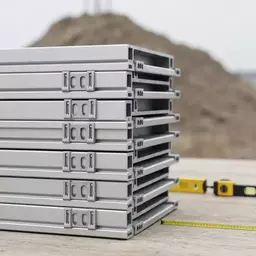
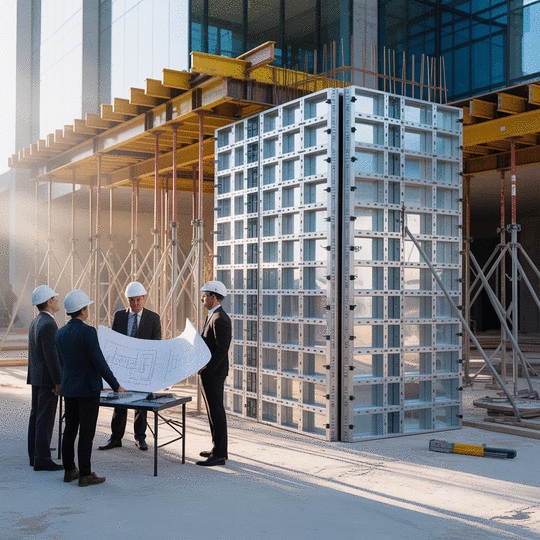
This visual outlines the core components of an aluminium formwork system and highlights future advancements shaping its role in modern construction.
At Aluminium Formwork Online, I often find myself explaining the intricacies of aluminium formwork and its pivotal role in modern construction, especially for high-rise buildings. But what exactly is aluminium formwork? In simple terms, it is a system of reusable panels made from aluminium that are used to shape and support concrete as it cures. This method not only speeds up the construction process but also ensures a high level of precision in the final structure.
The mechanism behind aluminium formwork is straightforward. Panels are assembled on-site to create a mold that holds concrete in place until it hardens. Once cured, these panels can be removed and reused for subsequent projects, making them a cost-effective and sustainable option for builders like you.
Essentially, aluminium formwork is designed to be lightweight yet strong, allowing for easy handling and quick assembly. The key benefits of this system include reducing the amount of labor needed for setup and improving the overall construction timeline. This means your projects can progress faster, which is crucial in today’s competitive market.
By using aluminium formwork, you can significantly enhance your workflows and project efficiency. The modular nature of these systems allows for adjustments to be made quickly, adapting to specific project needs without major delays.
Aluminium has emerged as a preferred material in high-rise construction due to its unique properties. Its strength-to-weight ratio allows for taller structures without compromising stability. Additionally, aluminium is resistant to corrosion, which is a crucial factor in ensuring the longevity of buildings, especially in various environmental conditions. For a deeper dive into the specific advantages of using aluminium in formwork, you can refer to this comprehensive study on the properties of aluminium formwork, accessible through Atlantis Press.
As high-rise buildings become increasingly common, the need for reliable and efficient construction solutions grows. By integrating aluminium formwork into your projects, you align with modern construction trends that favor efficiency, safety, and sustainability. Further insights into the evolving landscape of construction materials can be found in this study on the advancements in formwork technology from the International Journal of Multidisciplinary Research.
Understanding the essential features of an aluminium formwork system is vital for successful implementation. Here are the key components you should consider:
Each of these components plays a crucial role in the overall effectiveness of the formwork system. When you choose aluminium formwork, you're not just opting for a material but a comprehensive system designed to optimize your construction projects. For a detailed guide on the types, advantages, and applications of aluminium formwork, a valuable resource is available from the Civil Engineering Journal.
Maximize the efficiency of your aluminium formwork system by investing time in proper training for your team. Understanding the nuances of assembly and maintenance can significantly reduce downtime and enhance safety on-site. Consider conducting hands-on workshops that allow your team to familiarize themselves with the equipment before project commencement.
As we navigate the complexities of modern construction, it’s essential to stay ahead of the curve. The future of aluminium formwork is shaped by evolving technologies and practices that promise to improve efficiency and outcomes in high-rise buildings. Have you ever wondered how these advancements will affect your projects? Let’s explore the exciting changes on the horizon!
The construction landscape is constantly changing, influenced by technological advancements and shifting project demands. With the introduction of innovative methods, aluminium formwork systems are adapting to embrace these changes.
These elements are setting the stage for a more efficient workflow, enabling teams to deliver projects faster without sacrificing quality. Have you considered how these innovations could streamline your processes?
While aluminium formwork offers numerous advantages, it’s crucial to recognize potential challenges in integrating these systems with existing construction practices. Coordination with other building systems, such as structural engineering and electrical layouts, becomes vital.
Understanding these challenges allows you to preemptively address any hurdles, ensuring a smoother project execution. Are your teams ready to adapt to these integration demands?
As building standards evolve, the performance of aluminium formwork will be under scrutiny. Preparing for future regulations means focusing on energy efficiency, sustainability, and durability.
By staying proactive, your projects can not only meet but exceed future standards. This foresight not only boosts your reputation but also enhances client trust—something we all strive for in this competitive industry!
To wrap things up, it’s clear that aluminium formwork is not just a passing trend; it’s a cornerstone of modern high-rise construction. Its benefits—efficiency, speed, and sustainability—position it as a leading choice among construction professionals.
Let’s quickly recap the key advantages of aluminium formwork:
As I reflect on these insights, it’s clear that those who embrace aluminium formwork will lead the way in construction innovation.
Are you ready to take the leap? Evaluating aluminium formwork for your next project could be one of the best decisions you make. Let’s connect and explore how Aluminium Formwork Online can provide the resources you need to make informed choices!
The future of urban development is bright, with aluminium formwork paving the way for more efficient building practices. As cities grow and demands increase, staying informed about emerging trends will help us all—builders, contractors, and engineers—navigate this evolving landscape with confidence.
Let’s continue to innovate together and create high-quality structures that stand the test of time!
Here is a quick recap of the important points discussed in the article: