Optimize Your Formwork Projects!

Unlock expert insights on aluminium formwork systems and concrete casting workflows. Subscribe for cutting-edge technical guidance.

Aluminium Formwork and BIM Integration


aluminium formwork BIM integration

Posted on: 2025-12-11
By: Liam Marston


The integration of aluminium formwork into construction workflows is revolutionizing the industry. As projects become more complex, understanding how to maximize efficiency and cost-effectiveness becomes crucial. With insights from recent advancements and technologies, let's explore the transformative benefits of aluminium formwork systems.

What You Will Learn

  • Aluminium formwork significantly reduces assembly times, enhancing overall construction efficiency.
  • The modular nature of aluminium formwork allows it to adapt easily to diverse project designs.
  • Integrating Building Information Modeling (BIM) with aluminium formwork streamlines communication and project management.
  • Investing in aluminium formwork leads to long-term cost savings through reduced labor and material waste.
  • Value engineering principles can be applied to enhance project functionality while minimizing costs.
  • BIM integration helps in minimizing design errors, leading to faster project delivery and improved ROI.

Aluminium Formwork vs. BIM Integration: Key Comparisons & Benefits

This visual highlights the distinctions between traditional and BIM-integrated approaches in construction, emphasizing the efficiency and cost-saving benefits of aluminium formwork.

Aluminium Formwork Advantages

  • Efficiency: Faster installation
  • Cost-Effectiveness: Reduced labor/material
  • Durability: Reusable, corrosion-resistant
  • Quality Control: Precision casting

BIM Integration Benefits

  • Visualization: 3D models for planning
  • Coordination: Reduced conflicts/errors
  • Data Management: Streamlined communication
  • Better Project Outcomes

Traditional Approach

  • Time-consuming manual adjustments
  • Higher likelihood of costly errors
  • Limited collaboration/communication

BIM-Integrated Approach

  • Real-time updates/adjustments
  • Enhanced accuracy/foresight
  • Streamlined team communication

Understanding the Role of Aluminium Formwork in Modern Construction

When it comes to enhancing construction workflows, aluminium formwork plays a pivotal role. It’s a system that allows for quick assembly, reduced labor costs, and improved safety on site. By utilizing aluminium, builders can create durable and reusable formwork that stands the test of time, making it an excellent investment for any project. Insights into the economic advantages of using aluminum formwork can be found in this analysis of the economic opportunities it presents.

One of the defining features of aluminium formwork is its modularity. This means it can be easily adapted to various design specifications, enabling teams to tackle a wide range of projects efficiently. With this flexibility, builders can save time and resources, achieving faster turnaround times while maintaining high construction quality.

Defining Aluminium Formwork and Its Advantages

Aluminium formwork refers to a system of reusable units that are designed to shape concrete during the curing process. These systems offer several advantages:

  • Efficiency: Faster installation times compared to traditional formwork.
  • Cost-Effectiveness: Reduced labor and material costs over time.
  • Durability: Aluminium is resistant to corrosion and can be reused multiple times.
  • Quality Control: Precision in casting leads to better structural quality.
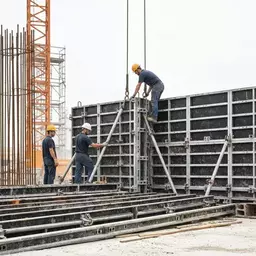
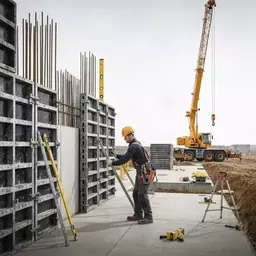
Modern construction site with workers assembling aluminum formwork, focus on efficiency and safety

As a construction engineer with over a decade of experience, I can personally attest to the efficiency that aluminium formwork brings to the table. It truly revolutionizes the way we approach construction projects!

How Aluminium Formwork Integrates with Building Information Modeling (BIM)

In today’s digitized construction landscape, the integration of aluminium formwork with Building Information Modeling (BIM) is a game changer. BIM allows teams to visualize the entire project lifecycle, which includes everything from design to execution. For a deeper understanding of how BIM enhances construction management, explore this resource on BIM-enhanced construction management and collaboration.

  • Visualization: BIM provides 3D models that help in planning and visualizing the use of aluminium formwork.
  • Coordination: Enhanced collaboration among all stakeholders reduces conflicts and errors.
  • Data Management: Centralized information streamlines communication and project adjustments.

Utilizing BIM not only aids in the effective use of aluminium formwork but also contributes to better project outcomes. By applying these modern technologies, we can optimize workflows and achieve remarkable results!

The Impact of Aluminium Formwork on Construction Efficiency and Cost Reduction

The impact of aluminium formwork on construction efficiency cannot be overstated. By streamlining the building process, projects can be completed much faster, which leads to significant cost reductions. Here are some ways it influences efficiency:

  • Faster Assembly: Quick setup and dismantling reduce project timelines.
  • Less Waste: Precision in design minimizes the amount of material waste.
  • Improved Safety: Aluminium systems often lead to safer work environments.

As a result, contractors can see a measurable decrease in costs and a boost in project profitability. Every construction team should consider integrating aluminium formwork into their practices for both efficiency and quality gains!

Interactive Poll

As you consider the advantages of aluminium formwork and its integration with BIM, we’d love to hear your thoughts! Which benefit do you believe is the most impactful for your construction projects?

Evaluating the Cost-Benefit of Aluminium Formwork BIM Integration

When considering the transition to BIM integration with aluminium formwork, it’s crucial to evaluate the cost-benefit ratio of such a decision. This analysis not only impacts budgets but also informs project timelines and overall efficiency. Are you ready to discover how this integration can positively impact your construction projects?

First, let’s break down the factors involved in time savings and return on investment (ROI). By leveraging BIM technology, teams can streamline processes, reduce redundancies, and ultimately achieve significant time savings on-site. This translates to fewer hours spent on tasks that don’t directly contribute to project completion, maximizing productivity.

Analyzing Time Savings and Return on Investment

  • Reduction in design errors and rework
  • Faster project delivery due to efficient planning
  • Lower labor costs through optimized workflows
  • Improved material management resulting in less waste

As you can see, these factors illustrate how adopting aluminium formwork with BIM can create a more responsive project environment. The investment made in technology and training often pays off quickly by minimizing delays and enhancing project output.

Comparing Traditional vs. BIM-integrated Approaches

When we look at traditional construction methods versus BIM-integrated approaches, the differences are stark. Traditional methods are often slower, involve more manual processes, and can lead to increased costs due to unforeseen challenges. In contrast, BIM-integrated workflows offer precision in planning, execution, and communication among teams. For further details on the efficiency gains, refer to this paper on automating formwork planning with BIM.

  • Traditional Approach:
    • Time-consuming manual adjustments
    • Higher likelihood of costly errors
    • Limited collaboration and communication
  • BIM-Integrated Approach:
    • Real-time updates and adjustments
    • Enhanced accuracy and foresight
    • Streamlined communication across all teams
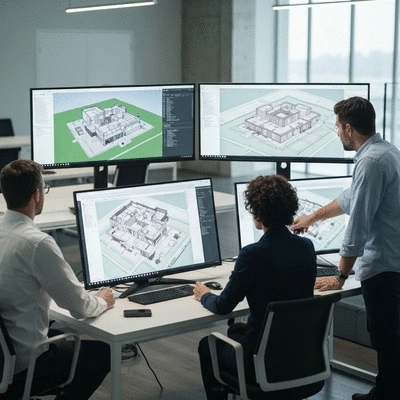
Architects and engineers collaborating on a 3D BIM model on large screens, demonstrating integrated workflows

Ultimately, transitioning to a BIM-integrated approach not only enhances efficiency but significantly drives down costs in the long run. By choosing aluminium formwork, you’re also opting for a system that aligns seamlessly with modern construction practices.

Understanding Value Engineering in Aluminium Formwork Projects

Value engineering is all about maximizing functionality while minimizing costs, and it plays a crucial role in aluminium formwork projects. As a construction engineer, I’ve seen firsthand how integrating BIM can support value engineering efforts. By assessing every aspect of the formwork system, teams can identify opportunities to improve design, reduce material waste, and enhance overall project value.

  • Key steps in value engineering include:
    • Identifying project goals and constraints
    • Analyzing function vs. cost for each component
    • Collaborating with all stakeholders to gather insights
  • Benefits of value engineering:
    • Increased project stakeholder satisfaction
    • Enhanced return on investment
    • Improved project sustainability

By embracing value engineering principles alongside BIM integration, aluminium formwork systems can significantly contribute to achieving project success. Are you ready to explore how these approaches can work together for you?

Recap of Key Points

Here is a quick recap of the important points discussed in the article:
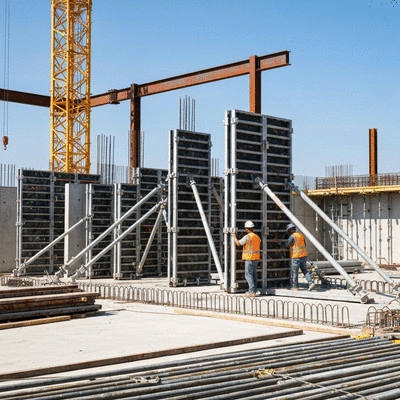
  • Modularity: Aluminium formwork systems can be easily adapted to various design specifications, enhancing project flexibility.
  • Integration with BIM: Using Building Information Modeling (BIM) improves visualization, coordination, and data management throughout the construction process.
  • Cost and Time Efficiency: Aluminium formwork leads to faster assembly, reduced labor costs, and improved safety, ultimately driving down overall project costs.
  • Value Engineering: Maximizing functionality while minimizing costs can significantly enhance project outcomes through effective planning and collaboration.
  • Comparison of Approaches: Transitioning to BIM-integrated techniques from traditional methods can result in better accuracy, reduced errors, and streamlined communication among teams.

Frequently Asked Questions (FAQs) about Aluminium Formwork & BIM Integration

What is aluminium formwork and how does it benefit construction projects?
Aluminium formwork is a system of reusable units used to shape concrete during curing. It offers advantages such as faster installation, reduced labor and material costs, durability, and high precision in casting, leading to better structural quality.
How does Building Information Modeling (BIM) integrate with aluminium formwork?
BIM integrates with aluminium formwork by providing 3D models for planning and visualization, enhancing collaboration among stakeholders to reduce conflicts, and offering centralized data management to streamline communication and project adjustments.
What are the main impacts of aluminium formwork on construction efficiency and cost reduction?
Aluminium formwork significantly impacts efficiency and cost reduction through faster assembly and dismantling, minimized material waste due to precision design, and improved safety on job sites. These factors lead to quicker project completion and lower overall costs.
How does BIM integration help in achieving time savings and a better return on investment?
BIM integration helps achieve time savings and ROI by reducing design errors and rework, enabling faster project delivery through efficient planning, lowering labor costs via optimized workflows, and improving material management to minimize waste.
What is value engineering and why is it important in aluminium formwork projects?
Value engineering is the process of maximizing functionality while minimizing costs. In aluminium formwork projects, it's crucial for identifying opportunities to improve design, reduce material waste, and enhance overall project value through effective assessment and collaboration with stakeholders.

Subscribe & Share
Aluminium Formwork Installation Guide Step-by-Step Guide to Scheduling and Sequencing Aluminium Formwork Installation Have you considered how the choice of formwork can dramatically impact your construction planning? A
Modular Aluminium Formwork Installation Options Comparing Modular Aluminium Formwork Installation Methods: Which Suits Your Project? Did you know that utilizing modular aluminium formwork can significantly reduce construction time an
Modular Aluminum Formwork Assembly Guide Step-by-Step Guide to Modular Aluminum Formwork Assembly and Installation When considering new technologies in construction, the potential to enhance efficiency often lies in
Banner
Aluminium Formwork Online

Your go-to resource for mastering aluminium formwork systems. We help builders, contractors, and engineers with technically sound guidance and practical insights for superior project outcomes.

Trusted by industry professionals, our mission is to provide reliable, easy-to-follow insights backed by extensive engineering expertise and modern construction standards.

Learn More
Recent Posts
Step-by-Step Guide to Scheduling and Sequencing Aluminium Formwork Installation Aluminium Formwork Installation Guide

Have you considered how the choice of formwork can

Comparing Modular Aluminium Formwork Installation Methods: Which Suits Your Project? Modular Aluminium Formwork Installation Options

Did you know that utilizing modular aluminium form

Step-by-Step Guide to Modular Aluminum Formwork Assembly and Installation Modular Aluminum Formwork Assembly Guide

When considering new technologies in construction,

Aluminium Formwork Insights