Aluminium Formwork Benefits & ROI
Efficiency & Savings
- Time Reduction: Up to 30% faster assembly
- Cost Savings: 20% lower overall budget
Quality & Impact
- Quality: Improved structural integrity
- Sustainability: Lower environmental impact
Unlock expert insights on aluminium formwork systems and concrete casting workflows. Subscribe for cutting-edge technical guidance.
Posted on: 2025-12-11
By: Liam Marston
The construction industry is undergoing a transformation, with aluminium formwork systems leading the charge. This innovative approach not only enhances efficiency but also promotes sustainability. Let’s explore key insights that can help professionals in this evolving landscape.
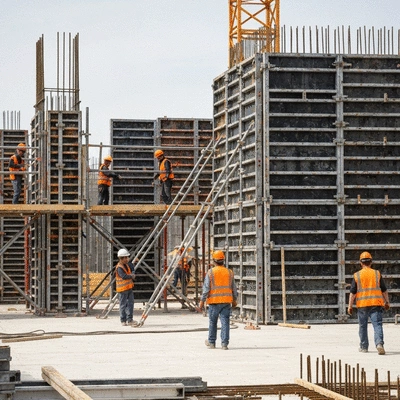
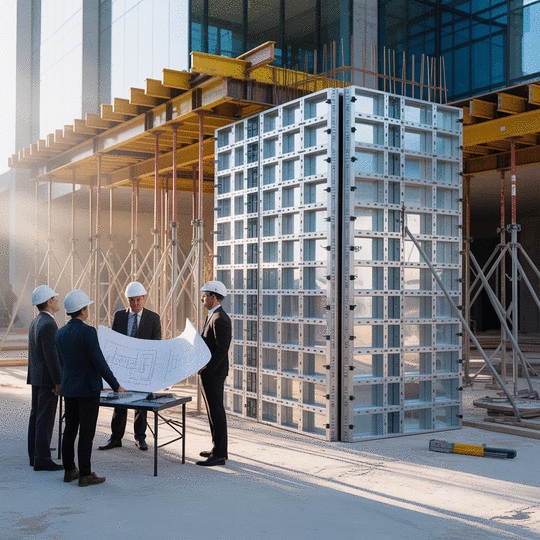
This visual highlights the key advantages of aluminium formwork systems and projects future trends in the construction industry.
In recent years, the construction industry has seen a significant shift toward using aluminium formwork systems. This surge in demand can be attributed to several factors, including the need for faster construction timelines, improved safety measures, and a growing emphasis on sustainability. As I’ve witnessed firsthand over my decade in the field, these systems not only enhance workflow efficiency but also yield superior results in terms of quality and durability.
Understanding the evolving landscape of aluminium formwork is vital for builders, contractors, and engineers alike. The benefits of these systems are compelling, making them an increasingly popular choice in various construction projects.
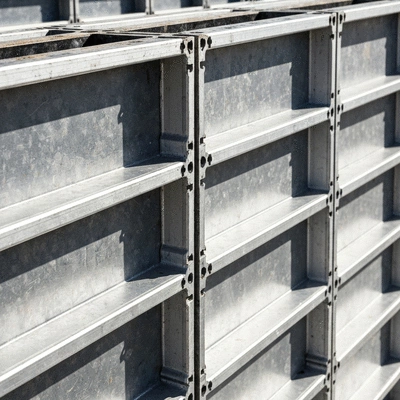
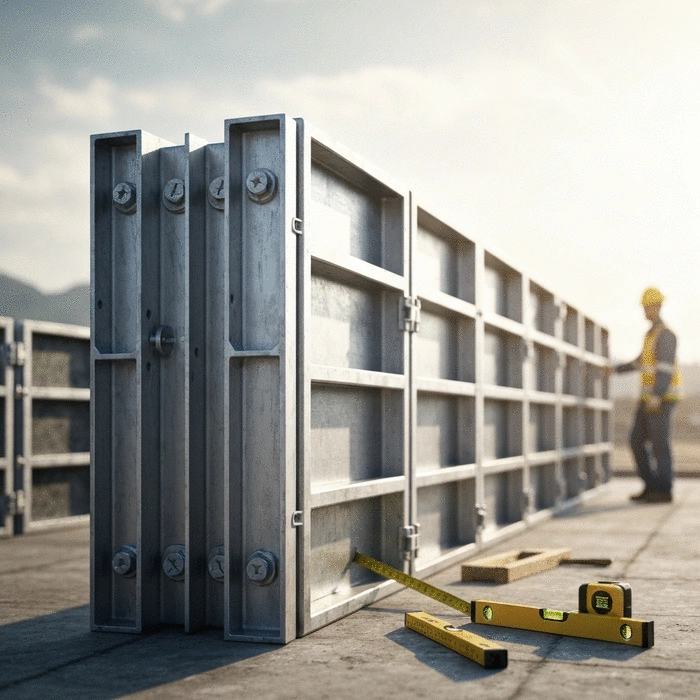
Aluminium formwork is a type of formwork system designed for constructing concrete structures. It consists of modular panels that can be easily assembled and dismantled, making it both efficient and versatile. These systems are predominantly used in high-rise buildings, residential complexes, and infrastructure projects.
For more detailed information on formwork design, refer to this Aluminum Formwork Design document. With these applications, aluminium formwork not only accelerates the construction process but also contributes to the overall safety and quality of building projects. Embracing this system can be a game changer for construction professionals looking to optimize their workflow.
The aluminium formwork market is projected to expand significantly over the next few years. According to recent studies, the global market is expected to grow due to rising urbanization, infrastructure development, and an increasing focus on energy-efficient construction practices. As a result, we see a shift away from traditional materials toward sustainable alternatives.
This trend indicates that builders and contractors must stay informed about market developments to leverage new opportunities effectively. By investing in aluminium formwork, professionals can position themselves ahead of the curve in a competitive construction environment.
Modular construction is revolutionizing the way we approach building projects. As this method gains traction, the adoption of aluminium formwork is experiencing a boost as well. The modular nature of these systems aligns seamlessly with the principles of modular construction, allowing for efficient assembly and scalability.
As I’ve seen in various projects, the integration of modular construction with aluminium formwork can lead to significantly reduced project timelines and enhanced safety. This synergy is not just a trend—it's becoming a standard practice that construction professionals must consider for future projects. For best practices and concrete formwork recommendations, consult this ACI 347 document.
Did you know? Implementing aluminium formwork can reduce construction time by up to 30%? This efficiency not only accelerates project timelines but also significantly decreases labor costs, allowing teams to allocate resources more effectively. Make sure to engage your project team early to identify specific needs and ensure a smoother integration process!
Aluminium formwork systems offer several advantages, including up to 30% faster assembly, significant cost savings (around 20% lower overall budget), improved structural integrity, and reduced environmental impact compared to traditional methods.
Aluminium formwork is highly durable and reusable, reducing material waste. Its modular nature also minimizes waste through precise manufacturing and allows for the adoption of circular economy practices, contributing to a lower environmental footprint.
Aluminium formwork systems are predominantly used in high-rise buildings, residential complexes, and infrastructure projects due to their efficiency, versatility, and ability to facilitate rapid construction.
The global market for aluminium formwork is projected to grow significantly, driven by increasing urbanization, infrastructure development, and a rising focus on energy-efficient and sustainable building practices. Future trends include smart technology integration and a greater emphasis on training.
To integrate aluminium formwork, it is recommended to: 1) Assess project requirements and goals, 2) Engage with experienced suppliers, 3) Train the team on best practices, and 4) Implement a pilot project to test the system before full-scale adoption.
Modular construction significantly boosts the adoption of aluminium formwork because the modular nature of both systems aligns perfectly. This synergy leads to reduced onsite construction time, minimized waste, and improved quality control, making them a natural fit for efficient project delivery.
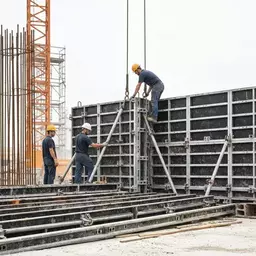
Aluminium formwork enhances safety by reducing the need for extensive scaffolding and offering a more stable and predictable construction environment during assembly and dismantling. This minimizes risks on construction sites, contributing to a safer working environment. For more on construction safety, you can refer to the IHSA's Formwork Safety Guide.
As we explore the world of aluminium formwork systems, it's essential to understand their impact on construction workflows and project outcomes. From cost-effectiveness to sustainability, these systems offer numerous benefits that can transform your building projects. Let’s dive into some crucial takeaways that highlight the value of integrating aluminium formwork into your next construction endeavor!
When assessing the return on investment (ROI) for aluminium formwork, real-world case studies can provide invaluable insights. These examples not only illustrate the financial advantages but also showcase the project efficiencies achieved. Here are some key metrics to consider:
For instance, one project in a metropolitan area utilized aluminium formwork and reported a significant decrease in labor costs while achieving a faster completion date. By implementing these systems, builders have optimized their workflows and delivered projects with higher quality and lower environmental impact.
The future of aluminium formwork is bright, with several emerging trends signaling new opportunities. As the construction industry evolves, we can anticipate the following developments:
As builders and contractors, staying ahead of these trends is crucial! By embracing innovative practices, you can position your projects for success and ensure they remain competitive in a rapidly changing market.
Getting started with aluminium formwork systems doesn't have to be daunting! Here’s a simple roadmap to help you integrate these solutions into your projects:
Each step plays a vital role in ensuring successful implementation. If you're ready to elevate your construction processes and enhance project outcomes, start by reaching out to us at Aluminium Formwork Online. We’re here to empower you with the knowledge and tools needed to navigate the world of aluminium formwork effectively!
Here is a quick recap of the important points discussed in the article: