Cycle Time Optimization: Key Benefits
- • Increased productivity across teams
- • Improved quality control, reducing rework
- • Enhanced resource management and scheduling
Faster project completion = higher profitability
Unlock expert insights on aluminium formwork systems and concrete casting workflows. Subscribe for cutting-edge technical guidance.
Posted on: 2026-03-07
By: Liam Marston
What if you could transform your construction projects simply by optimizing your workflow? Cycle time optimization is not just about saving time; it's about enhancing productivity and costs in the construction industry.
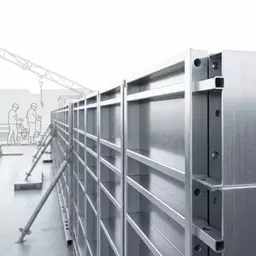
The following visual outlines key strategies for enhancing efficiency and reducing costs in construction projects, particularly through the adoption of aluminum formwork systems and lean principles.
Cycle time optimization is a crucial aspect of construction management. By minimizing the time taken to complete various phases of a project, we can significantly enhance overall productivity. Efficient cycle times not only reduce labor costs but also improve project timelines, leading to timely delivery and increased client satisfaction. Have you ever considered how optimizing your workflow could transform your construction projects?
At Aluminium Formwork Online, I’ve seen firsthand how effective cycle time management can elevate construction outcomes. Our commitment to providing builders and contractors with the right tools and knowledge to optimize their processes stems from a deep understanding of these principles. For further insights into optimizing thermal processes, you can refer to this academic article on thermal process optimization.
Understanding the importance of cycle time optimization is fundamental for any construction professional. It involves not just viewing time as a resource, but as a competitive advantage. Faster project completion times can significantly enhance profitability and client relationships, leading to repeat business and referrals. Here are some key benefits:
As we move forward in exploring these benefits, it’s essential to remember that every minute saved can translate into cost savings and a stronger bottom line.
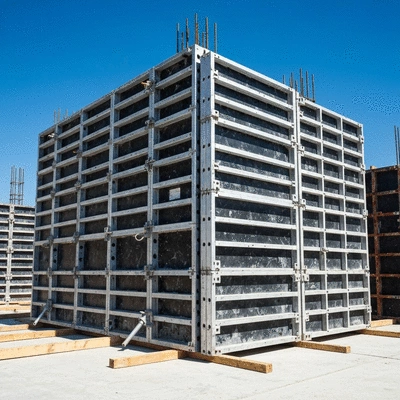
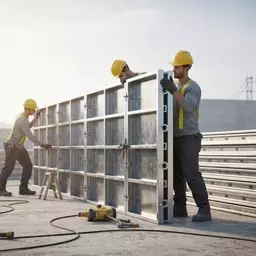
Aluminum formwork systems are revolutionizing construction efficiency. They offer numerous advantages that align perfectly with cycle time optimization goals. One of the standout features is their lightweight nature, which allows for quicker assembly and disassembly, directly impacting the cycle time. By using aluminum formwork, teams can achieve faster turnaround times and reduce delays often associated with heavier materials.
Incorporating aluminum formwork systems not only simplifies workflows but also contributes to a faster pace of construction. It’s a game changer for builders looking to optimize their projects.
Lean construction is all about maximizing value while minimizing waste. By applying lean principles, we can ensure that every step in the construction process contributes to the overall project goals. This approach complements cycle time optimization beautifully, promoting efficiency and reducing redundancies.
By embracing lean principles, teams can create a construction environment that not only speeds up processes but also improves quality and client satisfaction. Remember, the aim is not just to do things faster but to do them smarter! For more on improving production efficiency through lean practices, see this resource on lean practices in aluminum processing.
How important do you think cycle time optimization is in your construction projects? Share your opinion below:
In today’s construction landscape, cost management is a crucial factor for project success. Aluminum formwork systems not only improve efficiency but also provide significant cost savings across various project phases. By optimizing workflows and reducing waste, teams can deliver projects under budget without compromising quality. Let's explore some effective strategies to achieve this!
One of the most effective ways to cut costs in construction is through repetitive designs. By utilizing standardized formwork components, teams can significantly reduce material costs while improving efficiency. Here are a few key benefits of this approach:
Applying repetitive designs creates a streamlined approach to construction. This not only saves money but also enhances productivity, allowing teams to complete projects faster!
Efficient labor management is essential for cost reduction in any project. With aluminum formwork, we can achieve this by streamlining processes. Here are some strategies that have worked well for my projects:
When labor costs are minimized, the overall project budget benefits tremendously. By adopting these streamlined processes, you can ensure your team works efficiently and effectively. For further reading on construction efficiency, you might find this document on construction process optimization insightful.
Value engineering goes beyond just reducing costs—it focuses on maximizing project value. By analyzing project components, we can identify areas where cost efficiency can be improved without sacrificing quality. Consider these key aspects:
Implementing value engineering can lead to substantial savings while enhancing the project's overall effectiveness. As part of my commitment to empowering builders, I always advocate for this approach to ensure smarter, more sustainable choices in construction!
Here is a quick recap of the important points discussed in the article:
Proper maintenance of aluminum formwork can signif