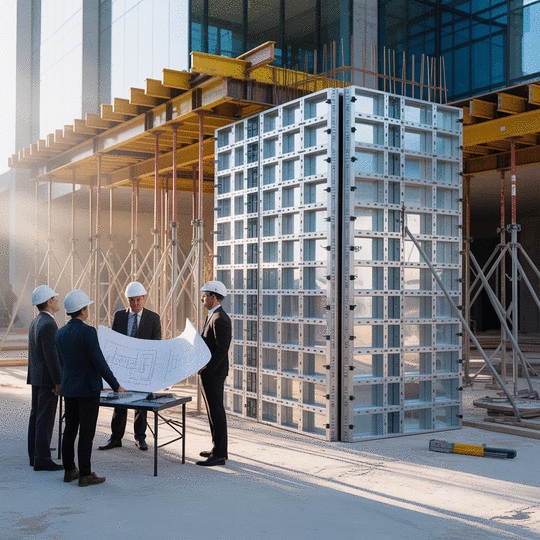
Aluminium Formwork Training and Certification
Posted on: 2026-08-03
By: Liam Marston
In today’s rapidly evolving construction landscape, embracing innovative solutions is no longer optional—it's essential. As the industry seeks efficiency and sustainability, aluminium formwork emerges as a game-changing approach that not only optimizes workflows but also ensures quality.
What You Will Learn
- Aluminium formwork accelerates construction processes, offering faster assembly and reduced labor time.
- The durability and reusability of aluminium forms contribute to significant cost savings and lower environmental impact.
- Safety standards are enhanced due to the lightweight nature of aluminium, minimizing handling risks on-site.
- Familiarity with industry standards and best practices is critical for ensuring successful aluminium formwork installation and use.
- Engaging in certification programs and ongoing professional development can greatly enhance career prospects in the field.
Roadmap to Becoming an Aluminium Formwork Professional
This visual outlines the key stages and considerations for aspiring aluminium formwork professionals, from foundational knowledge to career advancement.
1. Enhanced Aluminium Formwork
- ✓ Modularity: Easy assembly/disassembly
- ✓ Durability: Resistant to wear & weather
- ✓ Efficiency: Quick setup, cost savings
Foundational understanding
2. Role in Modern Construction
- ✓ Safety: Lightweight, reduced injury risk
- ✓ Quality Control: Superior concrete finishes
- ✓ Environmental: Lower waste, resource reuse
Impact & benefits
3. Industry Standards & Best Practices
- ✓ Compliance: Local regulations & codes
- ✓ Training: Latest techniques & safety
- ✓ Inspection: Regular checks for damage
Quality & safety guidelines
4. Certification & Career Progression
- ✓ Programs: CoreTrade, SEC(K), CET
- ✓ Eligibility: Specific requirements per certification
- ✓ Development: Ongoing learning is crucial
Skill enhancement & employability
Understanding Aluminium Formwork Installation and Its Importance
When it comes to construction, the choice of materials and systems can greatly influence project efficiency and quality. One such system that has gained significant traction is aluminium formwork. This innovative solution not only streamlines the construction process but also offers a range of advantages that traditional methods often lack. In this section, we'll delve into the importance of aluminium formwork installation and how it shapes modern building practices.
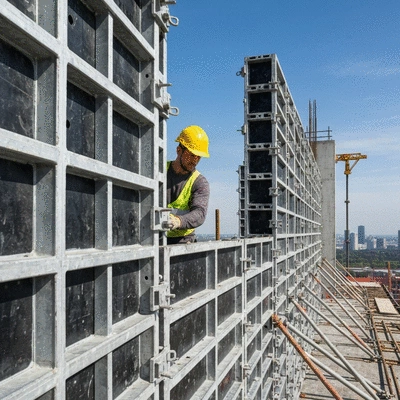
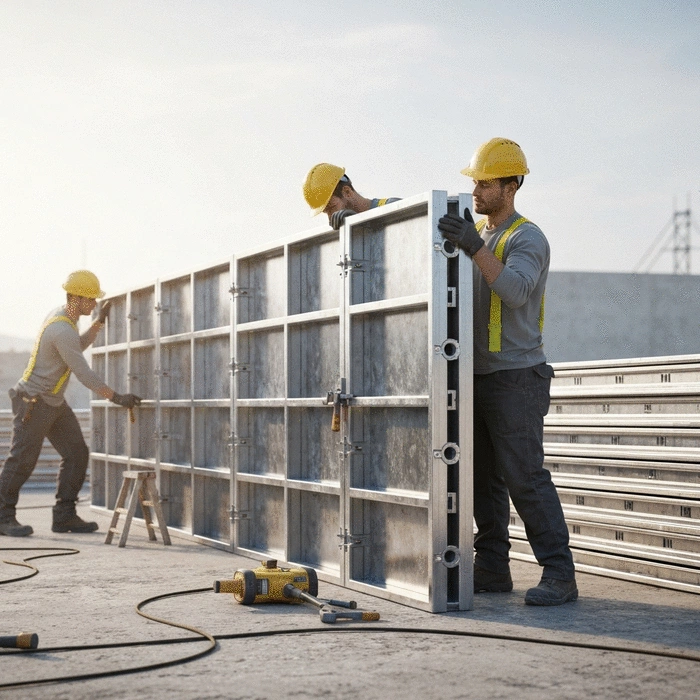
Aluminium formwork allows for faster assembly, enhanced safety, and superior durability. As someone with over a decade in the field, I've witnessed firsthand how these systems can transform workflows. The critical aspect here is understanding just how essential proper installation is to maximizing these benefits.
Defining Enhanced Aluminium Formwork
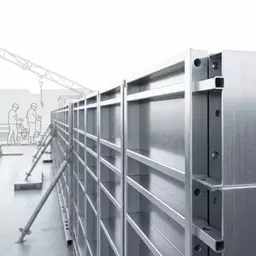
At its core, enhanced aluminium formwork refers to modular systems designed to hold concrete in place while it cures. Unlike traditional wooden forms, these systems are lightweight, reusable, and customizable. This flexibility enables project teams to adapt to various designs and structural requirements while ensuring that the forms maintain their integrity through multiple uses. For more detailed information on formwork, refer to resources like the Construction Industry Council's guide on formwork.
- Modularity: They can be easily assembled or disassembled, reducing labor time.
- Durability: Aluminium forms are resistant to weather and wear, providing a longer lifespan.
- Efficiency: Quick setup and takedown speed up project timelines, leading to cost savings.
Embracing enhanced aluminium formwork means investing in a system that simplifies the construction process while promoting sustainability through reuse. This commitment to efficiency aligns perfectly with our mission at Aluminium Formwork Online, where we strive to empower builders with the best solutions available.
The Role of Aluminium Formwork in Modern Construction
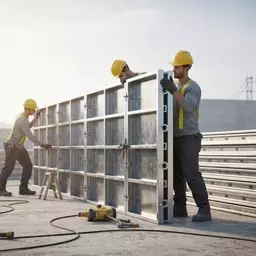
In today's fast-paced construction environment, time and safety are of the essence. Aluminium formwork serves as a pivotal tool in addressing these challenges. By providing a robust and secure framework for concrete, it allows teams to work more efficiently, minimizing delays and reducing the risk of accidents on site. For further insights into the benefits and adoption of aluminium formwork in construction, you can explore reports from organizations like Singapore Piling & Civil Engineering Pte Ltd.
- Safety: The lightweight nature of aluminium reduces the risk of injury during handling.
- Quality Control: Superior precision in formwork leads to higher-quality concrete finishes.
- Environmental Impact: The ability to reuse forms significantly lowers waste and resource consumption.
With these factors in mind, it’s clear that aluminium formwork is not just a construction tool—it’s a revolutionary component that enhances overall project performance.
Industry Standards and Best Practices for Aluminium Formwork
To ensure successful installation and use of aluminium formwork, adherence to industry standards and best practices is crucial. These guidelines help maintain safety and quality across projects. As professionals, understanding and implementing these standards can profoundly impact project outcomes. A comprehensive understanding of these practices can be found in resources such as the Formwork Code of Practice.
- Compliance: Familiarize yourself with local regulations and codes governing formwork use.
- Training: Invest in training programs that focus on the latest installation techniques and safety measures.
- Inspection: Regularly inspect forms for damage or wear to ensure they meet safety standards.
By following these best practices, construction teams can ensure that they’re not only meeting industry requirements but also setting themselves up for success. At Aluminium Formwork Online, we’re dedicated to providing the resources needed to elevate your understanding of these vital practices.
Pro Tip
Did you know? Proper training and adherence to safety protocols during aluminium formwork installation can reduce construction site accidents by up to 40%. Investing in the right training programs ensures not only compliance with industry standards but also enhances the overall safety and efficiency of your projects.
Frequently Asked Questions About Aluminium Formwork
Summarizing the Pathway to Becoming an Aluminium Formwork Professional
Embarking on a career as an aluminium formwork professional is an exciting journey. Understanding the essential steps towards certification and career progression is crucial in this field. With the right knowledge, you can navigate your way through the various certification programs and seize the opportunities that come your way in the construction industry.
To simplify this path, here are some key takeaways regarding certification and career advancement:
- Certification programs like CoreTrade, SEC(K), and CET are essential for honing your skills and enhancing your employability.
- Each certification has specific eligibility requirements and benefits, making it important to choose the one that aligns with your goals.
- Engaging in ongoing professional development is crucial for staying competitive and advancing in your career.

Your Next Steps: Choosing the Right Course for Your Career Path
Now that you have a clearer understanding of the certification landscape, it’s time to focus on choosing the right course tailored to your professional ambitions. Consider the following aspects to guide your decision:
- Assess your current qualifications and identify the certification program that best suits your needs.
- Evaluate course structures, durations, and the financial implications of each training program.
- Look for resources that offer hands-on experience and practical skills relevant to aluminium formwork installation.
By selecting a course that aligns with your career aspirations, you pave the way for a successful future in the aluminium formwork industry!
The Role of Trade Associations in Supporting Workforce Development
Trade associations play a vital role in shaping the future of aluminium formwork professionals. They offer support through various initiatives, including:
- Providing access to valuable resources and training materials that enhance your knowledge.
- Facilitating networking opportunities with industry leaders and peers, which can lead to job placements.
- Advocating for industry standards and best practices that ensure safety and efficiency on the worksite.
Staying connected with trade associations will not only strengthen your skills but also keep you informed about trends and advancements in the field. Embrace these resources, and you’ll be well-equipped for a thriving career in aluminium formwork.
Recap of Key Points
Here is a quick recap of the important points discussed in the article:
- Enhanced Aluminium Formwork: Offers modularity, durability, and efficiency, making it a superior choice over traditional wooden forms.
- Importance in Modern Construction: Enhances safety, quality control, and reduces environmental impact through reusability.
- Best Practices: Compliance with regulations, ongoing training, and regular inspections are crucial for successful implementation.
- Career Advancement: Certification programs and ongoing professional development are essential for growth in the aluminium formwork industry.
- Trade Associations: Provide resources, networking opportunities, and advocacy for best practices in the industry.
 Proper maintenance of aluminum formwork can significantly impact project success. As construction pr
 Have you ever considered how a simple choice in construction materials can transform your project’
 In today’s rapidly evolving construction landscape, embracing innovative solutions is no longer op