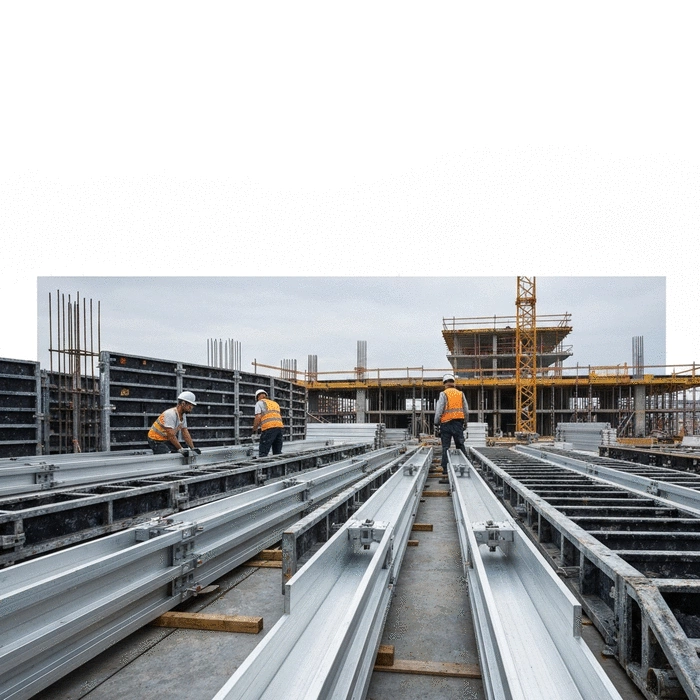
Optimize Your Formwork Projects!

Unlock expert insights on aluminium formwork systems and concrete casting workflows. Subscribe for cutting-edge technical guidance.

Choosing the Right Aluminum Formwork


How to Select the Optimal Aluminum Formwork System for Your Construction Project

Posted on: 2025-12-13
By: Liam Marston


What if the right choice of materials could revolutionize your construction project? Understanding the nuances of aluminum formwork systems not only enhances efficiency but also sets the foundation for superior outcomes. Dive into the critical factors that can make or break your next build.

What You Will Learn

  • Assessing structure types and specific requirements is vital for aligning your aluminum formwork system with project demands.
  • Evaluating load-bearing capacity and site conditions helps mitigate risks and informs better decision-making.
  • Understanding project timelines and the potential for repetitive casts enhances overall efficiency and cost-effectiveness.
  • Effective project management strategies, including clear roles and communication, are crucial for successful implementation of aluminum formwork.
  • Researching local building codes and safety standards early ensures compliance, safeguarding your team and enhancing project quality.
  • Choosing aluminum over traditional materials offers durability, lightweight handling, and significant long-term cost savings.
  • The environmental impact and reusability of aluminum formwork contribute to sustainable building practices.

Key Considerations for Aluminum Formwork Systems

To ensure a successful construction project, several critical factors must be assessed when utilizing aluminum formwork systems. The visual below highlights these considerations across project needs and material selection.

Project Needs Assessment

Structure Type & Requirements

High-rise, low-rise, architectural features, load requirements.

Load-Bearing & Site Conditions

Expected loads, soil stability, drainage, environmental impacts.

Project Timeline & Repetition

High volume elements, quick turnaround, efficiency.

Management & Coordination

Roles, meetings, tracking tools, clear communication.

Local Codes & Safety

Research regulations, compliance, professional consultation.

Why Choose Aluminum Formwork?

Material Comparison
  • Timber: Cheaper, less durable, shorter lifespan.
  • Steel: Strong, but heavier, higher costs.
  • Plastic: Lightweight, lacks structural integrity.
Lightweight & Reusable Benefits

Easier handling, reduced labor, lower costs, minimal waste, streamlined timelines.

Surface Finish & Aesthetics

Smooth for polished look, textured for grip/decoration.

Durability & Environmental Impact

Corrosion resistant, longer lifespan, recyclable material.

Cost Efficiency & Lifecycle

Reduced labor, lower transport, long-term material savings.

Understanding Project Needs for Aluminum Formwork Systems

When embarking on a construction project, understanding your specific project needs for aluminum formwork systems is essential. Each project presents unique challenges and requirements that must be assessed to ensure a successful outcome. My experience has shown that taking the time to analyze these factors upfront can save significant time and resources later on. Let's explore some key aspects to consider.

Assessing Structure Types and Requirements

The first step in selecting the right aluminum formwork system is to assess the structure types and their specific requirements. Different structures, such as residential buildings, commercial spaces, or industrial facilities, have varying needs. Consider the following:

  • Type of building (high-rise, low-rise, etc.)
  • Architectural features (curves, angles)
  • Load requirements

By identifying these elements early, you can better align your formwork system to the project's demands, ensuring efficiency in the construction process.

Identifying Load-Bearing Capacity and Site Conditions

Next, it's crucial to evaluate the load-bearing capacity of your chosen formwork system and the specific site conditions. Factors such as soil type, moisture levels, and surrounding structures can impact the safety and performance of your formwork. Key considerations include:

  • Calculating the expected loads during both curing and post-casting phases
  • Analyzing soil stability and drainage
  • Assessing any environmental impacts

Having this information allows you to make informed decisions and avoid potential risks during the project. It is vital to consult industry standards like those provided by the Aluminum Association to ensure your formwork meets necessary specifications.

Evaluating Project Timeline and Repetition of Casts

Another significant factor to weigh is the project timeline and the potential for repetitive casts. Aluminum formwork systems are particularly advantageous when:

  • Projects involve a high volume of repetitive elements
  • Quick turnaround times are essential
  • Efficiency and cost-effectiveness are prioritized

In my practice, I've found that understanding your timeline can help you select the best system that meets both speed and quality standards.

Analyzing Project Management Strategies for Effective Implementation

To implement aluminum formwork successfully, you need to adopt effective project management strategies. This includes coordinating with your team and ensuring clear communication. Consider the following strategies:

  • Establishing clear roles and responsibilities
  • Setting up regular progress meetings and updates
  • Utilizing project management tools for tracking

These strategies can help optimize workflow and ensure everyone stays aligned with project goals. For guidance on appropriate safety measures in construction, resources like the National Institutes of Health Design Requirements Manual offer valuable insights into maintaining a safe working environment.

Understanding Local Building Codes and Safety Standards

Finally, don't underestimate the importance of local building codes and safety standards. Each region may have specific regulations that impact your choice of formwork. Be sure to:

  • Research applicable building codes early in the planning phase
  • Ensure compliance with safety standards to protect your team
  • Consult with local authorities or engineering professionals when in doubt

By prioritizing safety and compliance, you not only protect your team but also enhance the overall quality of your project. The Federal Highway Administration's manual on falsework and formwork provides comprehensive guidance on these critical aspects.

Pro Tip

Did you know? Properly assessing your site conditions before selecting an aluminum formwork system can drastically reduce unforeseen costs and project delays. Take the time to evaluate soil stability, moisture levels, and surrounding structures to ensure your system performs optimally throughout the construction process.

Examining Material Options: Why Choose Aluminum?

When it comes to selecting the right formwork system for your project, the material plays a crucial role. At Aluminium Formwork Online, we advocate for the use of aluminum due to its numerous advantages over other materials. Understanding these benefits can help you make an informed decision that enhances efficiency and quality in construction.

Let's take a closer look at why aluminum should be your material of choice when planning your next build. From durability to environmental impact, the right choice can lead to significant long-term benefits!

Comparative Analysis: Aluminum vs. Timber, Steel, and Plastic

Each formwork material has its pros and cons. Here's a quick comparison of aluminum against traditional materials:

  • Timber: While often cheaper initially, timber is less durable and has a shorter lifespan compared to aluminum. It can warp and become unusable after repeated casts.
  • Steel: Steel is strong but heavier, which increases transportation costs and requires more manpower for handling.
  • Plastic: Plastic forms can be lightweight but often lack the structural integrity and durability needed for heavy loads.

Aluminum combines the best aspects of these materials, providing both strength and lightweight handling which can significantly streamline your construction process. Have you considered how these factors can impact your project's efficiency?

Benefits of Lightweight and Reusable Aluminum Formwork

One of the standout features of aluminum formwork is its lightweight nature. This property not only makes it easier to handle during installation but also reduces labor costs. Moreover, aluminum is highly reusable, leading to:

  • Lower overall project costs due to reduced need for new materials.
  • Fewer environmental impacts as it minimizes waste.
  • Streamlined project timelines due to quicker setup and teardown.

By prioritizing aluminum for your projects, you position yourself for a more sustainable approach while also boosting your team's efficiency!

Understanding Surface Finish and Aesthetic Considerations

Aluminum formwork offers a variety of surface finishes that can cater to specific aesthetic preferences. These finishes can enhance the visual appeal of the concrete cast, which is especially important for projects where appearance matters.

  • Smooth finishes: Ideal for visible surfaces requiring a polished look.
  • Textured finishes: Can provide additional grip and decorative elements.

Understanding your project's aesthetic requirements will guide your choice in formwork, ensuring that it not only performs well but looks good too!

Evaluating Durability and Environmental Impact of Aluminum Formwork

Durability is a key factor in the selection of formwork materials. Aluminum systems are resistant to corrosion and damage, maintaining their integrity over time. This resilience translates into a longer lifespan, making it a wise investment for any builder.

Moreover, aluminum is a recyclable material, which aligns perfectly with sustainable building practices. This means that at the end of its life cycle, aluminum formwork can be repurposed rather than ending up in a landfill, helping your project meet modern environmental standards.

Exploring Cost Efficiency and Lifecycle Benefits of Aluminum

Lastly, let’s talk about cost efficiency. While the upfront costs of aluminum formwork may be higher than some alternatives, the long-term savings are substantial. With its lightweight nature, reusability, and durability, aluminum can lead to:

  • Significantly reduced labor costs.
  • Lower transportation expenses due to its manageable weight.
  • Long-term savings on materials since it can be reused across multiple projects.

Incorporating aluminum formwork not only enhances your project outcomes but also improves your bottom line. Isn’t that what we all strive for in our construction endeavors?

Frequently Asked Questions about Aluminum Formwork Systems

Here are some common questions regarding aluminum formwork systems:

  1. What are the primary benefits of using aluminum formwork over traditional materials like timber or steel?
    Aluminum formwork is lightweight, highly reusable, offers excellent durability and corrosion resistance, and contributes to faster project timelines and significant long-term cost savings due to reduced labor and transportation expenses.
  2. How does aluminum formwork contribute to project efficiency?
    Its lightweight nature allows for easier handling and quicker setup/teardown. Its reusability minimizes waste and the need for new materials, while its ability to create repetitive casts efficiently streamlines the construction process.
  3. What key factors should be considered when selecting an aluminum formwork system for a project?
    Key factors include the structure type and its specific requirements (e.g., high-rise vs. low-rise, architectural features), load-bearing capacity, site conditions (soil stability, drainage), project timeline, potential for repetitive casts, project management strategies, and adherence to local building codes and safety standards.
  4. Is aluminum formwork environmentally friendly?
    Yes, aluminum is a highly recyclable material, which means that at the end of its operational life, the formwork can be repurposed rather than disposed of in landfills, aligning well with sustainable building practices.
  5. Can aluminum formwork be used for various types of surface finishes?
    Absolutely. Aluminum formwork can provide both smooth finishes for a polished aesthetic and textured finishes for added grip or decorative elements, depending on the project's specific requirements.

Recap of Key Points

Here is a quick recap of the important points discussed in the article:

  • Assess your specific project needs for aluminum formwork systems, considering structure types and load requirements.
  • Evaluate load-bearing capacity and site conditions to ensure safety and performance throughout the project.
  • Understand your project timeline and the benefits of aluminum formwork for repetitive casts to enhance efficiency.
  • Adopt effective project management strategies, including clear communication and role definitions.
  • Research local building codes and safety standards early to ensure compliance and protect your team.
  • Choose aluminum for its durability, lightweight nature, and environmental benefits, optimizing project costs and timelines.
  • Consider the aesthetic requirements of your project, as aluminum formwork offers various surface finishes.

Subscribe & Share
Aluminium Formwork Installation Guide Step-by-Step Guide to Scheduling and Sequencing Aluminium Formwork Installation Have you considered how the choice of formwork can dramatically impact your construction planning? A
Modular Aluminium Formwork Installation Options Comparing Modular Aluminium Formwork Installation Methods: Which Suits Your Project? Did you know that utilizing modular aluminium formwork can significantly reduce construction time an
Modular Aluminum Formwork Assembly Guide Step-by-Step Guide to Modular Aluminum Formwork Assembly and Installation When considering new technologies in construction, the potential to enhance efficiency often lies in
Banner
Aluminium Formwork Online

Your go-to resource for mastering aluminium formwork systems. We help builders, contractors, and engineers with technically sound guidance and practical insights for superior project outcomes.

Trusted by industry professionals, our mission is to provide reliable, easy-to-follow insights backed by extensive engineering expertise and modern construction standards.

Learn More
Recent Posts
Step-by-Step Guide to Scheduling and Sequencing Aluminium Formwork Installation Aluminium Formwork Installation Guide

Have you considered how the choice of formwork can

Comparing Modular Aluminium Formwork Installation Methods: Which Suits Your Project? Modular Aluminium Formwork Installation Options

Did you know that utilizing modular aluminium form

Step-by-Step Guide to Modular Aluminum Formwork Assembly and Installation Modular Aluminum Formwork Assembly Guide

When considering new technologies in construction,

Aluminium Formwork Insights