Optimize Your Formwork Projects!

Unlock expert insights on aluminium formwork systems and concrete casting workflows. Subscribe for cutting-edge technical guidance.

Aluminum Formwork Safety Standards Explained


Aluminum Formwork Safety Standards Explained

Posted on: 2026-05-01
By: Liam Marston


In the world of construction, the importance of safety cannot be overstated. A single overlooked standard can lead to dire consequences. As such, understanding the intricacies of safety standards in aluminum formwork is essential for ensuring not only compliance but also the well-being of all involved.

What You Will Learn

  • Why compliance with safety standards is non-negotiable in aluminum formwork projects.
  • The key regulations, including ASTM, OSHA, and Eurocodes, that govern construction safety.
  • How effective quality inspection protocols can ensure material integrity and reduce risks.
  • The significance of documentation and accountability in maintaining safety standards.
  • How to compare local and international standards for comprehensive safety compliance.

Safety Standards in Aluminum Formwork: Key Aspects & Compliance

Understanding and adhering to safety standards is paramount in aluminum formwork engineering. This visual highlights the critical standards, the importance of compliance, and essential quality protocols that underpin safer and more efficient construction outcomes.

Key Safety Standards & Compliance

International Standards
  • ASTM: Material testing
  • OSHA: Workplace safety
  • Eurocodes: Structural design
Global Standardisation
  • ANSI: US materials/safety
  • ISO: Global safety/trade
  • EN: EU safety/performance

Essential Quality Inspection Protocols

Material Checks

Ensuring integrity of aluminum.

Dimensional Accuracy

Adhering to compliance guidelines.

Documentation

Maintaining records for accountability.

Pre-Use Checklists

Integrating quality assurance.

Key Factors in Aluminum Formwork Safety

Core Elements
  • Material Quality
  • Design Compliance
Operational Safety
  • Installation Procedures
  • Load Management

Role of Risk Assessment Standards

Hazard Identification

Recognizing potential risks.

Risk Evaluation

Assessing likelihood & impact.

Understanding Safety Standards in Aluminum Formwork Engineering

When it comes to aluminum formwork engineering, safety standards are absolutely critical. Not only do they protect the workers on site, but they also ensure that the projects adhere to legal requirements and industry best practices. At Aluminium Formwork Online, we believe that understanding these standards is key to achieving not only compliance but also superior project outcomes.

In this section, we’ll explore the key safety standards relevant to aluminum formwork, the importance of compliance, and some essential quality protocols that should be part of every construction project. Let’s dive in!

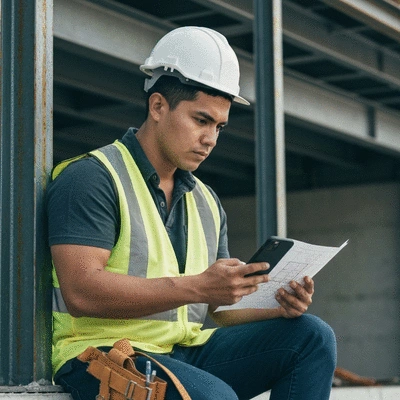
Engineer reviewing safety standards on a tablet at a construction site, with aluminum formwork in the background

Key Safety Standards and Compliance Overview

Compliance with safety standards is a non-negotiable aspect of any construction project, especially when dealing with aluminum formwork. These standards provide a framework that helps ensure the safety of all personnel involved, as well as the integrity of the structures being built.

  • It minimizes risks associated with construction activities.
  • It promotes a culture of safety on site.
  • It protects against legal repercussions from non-compliance.

Understanding the nuances of these standards can significantly enhance the overall safety and efficiency of your construction workflows. Are you familiar with the main standards that govern this area?

Importance of Compliance in Construction Projects

Compliance is vital in construction projects for several reasons. First and foremost, it significantly reduces the risk of accidents and injuries. Adhering to established safety protocols not only safeguards workers but also ensures that the project runs smoothly and efficiently.

Furthermore, compliance can enhance the reputation of your company, showcasing your commitment to safety and quality. In a competitive industry, being recognized for your compliance efforts can be a differentiator that attracts more clients and projects.

Overview of Relevant Standards (ASTM, OSHA, Eurocodes)

Several organizations provide safety standards relevant to aluminum formwork. Here are a few key ones you should be aware of:

  • ASTM (American Society for Testing and Materials): Focuses on materials testing and standards, ensuring the quality and safety of materials used in construction.
  • OSHA (Occupational Safety and Health Administration): Sets and enforces standards for workplace safety, including specific regulations for concrete and masonry construction, which are highly relevant to formwork, and general safety requirements for construction work. More information can be found on OSHA's Appendix A to § 1926.703 and OSHA's general formwork regulations.
  • Eurocodes: A set of European standards for structural design and safety, which are widely adopted internationally.

Familiarizing yourself with these standards will enable you to better prepare your team and projects for successful outcomes.

Comparing International Standards: ANSI, ISO, and EN

In addition to local standards, international ones play a significant role in shaping safety practices. Here’s a brief comparison:

  • ANSI (American National Standards Institute): Ensures standards for various materials and safety protocols in the U.S.
  • ISO (International Organization for Standardization): Provides global standards that facilitate international trade and safety.
  • EN (European Norms): Governs safety and performance standards within the European Union.

Understanding these differences can help you navigate the complex landscape of safety standards in construction, especially when dealing with aluminum standards as outlined by organizations like the Aluminum Association.

Essential Quality Inspection Protocols

Quality inspection protocols are crucial for ensuring that your aluminum formwork systems meet the necessary safety standards. These protocols not only help in identifying potential issues early on but also in maintaining compliance throughout the project lifecycle.

  • Material Checks: Ensuring the integrity of aluminum formwork is essential.
  • Dimensional Accuracy: Guidelines for compliance must be adhered to.
  • Documentation: Maintaining records for accountability is key.
  • Quality Assurance Protocols: Implementing pre-use safety checklists is vital.

By establishing robust inspection protocols, we can significantly reduce risks and enhance the quality of our construction processes.

Material Checks: Ensuring Integrity of Aluminum Formwork

Before using any aluminum formwork, it’s imperative to conduct thorough material checks. These checks ensure that the materials are free from defects and capable of withstanding various loads during the construction process. A proactive approach to material integrity can prevent costly setbacks.

Have you established a routine for inspecting materials? This step is crucial for ensuring that your formwork performs effectively throughout its lifecycle.

Dimensional Accuracy: Guidelines for Compliance

Dimensional accuracy is another critical aspect of quality inspection. Ensuring that your formwork meets specified dimensions helps maintain the structural integrity of your project. It’s important to regularly check for compliance with industry standards to avoid complications down the line.

Are your team members trained to recognize and address issues related to dimensional inaccuracies? Providing the right training can make a significant difference in compliance and safety.

Documentation: Maintaining Records for Accountability

Keeping detailed documentation is an essential part of the inspection process. This not only helps in tracking compliance but also provides a clear record for accountability. From material checks to inspection outcomes, having this information on hand can protect your project in case of audits or disputes.

Have you considered implementing a systematic approach to documentation? Establishing clear protocols can streamline this process and enhance overall project oversight.

Quality Assurance Protocols and Pre-Use Safety Checklists

Finally, integrating quality assurance protocols and pre-use safety checklists into your workflow can facilitate better risk management. These protocols serve as a final check before installation, ensuring that everything is in order.

  • Checklists can address potential issues before they become significant problems.
  • They ensure all team members are aligned on safety expectations.

By making these practices standard, you contribute to a safer and more efficient work environment.

Pro Tip

To enhance safety and compliance in your aluminum formwork projects, consider implementing a daily safety briefing. This practice not only keeps team members informed about potential hazards but also fosters a culture of safety and accountability on-site. Regular discussions can address any immediate concerns and reinforce the importance of adhering to safety standards.

Addressing Common Questions on Safety Standards

As we continue to explore the vital topic of safety standards in aluminium formwork, it’s essential to address some common questions that frequently arise. With my experience in construction engineering, I’ve seen firsthand how understanding these key factors can greatly influence project outcomes. Let's dive into these questions and clarify some important aspects of safety standards.

Construction worker on site reviewing safety checklist on a clipboard, with aluminum formwork in the background

Frequently Asked Questions (FAQs)

The primary safety standards include those set by organizations like ASTM (for material testing), OSHA (for workplace safety), and Eurocodes (for structural design). Additionally, international standards like ANSI, ISO, and EN play a crucial role.

Compliance is vital because it minimizes risks, prevents accidents and injuries, ensures legal adherence, promotes a culture of safety, and protects against legal repercussions. It also enhances the company's reputation for quality and safety.

Essential protocols include thorough material checks to ensure integrity, verifying dimensional accuracy, comprehensive documentation for accountability, and implementing quality assurance protocols such as pre-use safety checklists.

International standards offer a broad framework for safety applicable across regions, while local regulations often provide more stringent and specific requirements tailored to local conditions. It is crucial to adhere to both sets of standards for comprehensive compliance.

Risk assessment standards are critical for identifying potential hazards, evaluating the likelihood and impact of these risks, and creating mitigation plans to minimize them. This proactive approach significantly enhances project safety and ensures regulatory compliance.

What Are the Key Factors in Aluminum Formwork Safety?

When it comes to ensuring safety in aluminium formwork systems, several factors play a crucial role. Here are the primary considerations:

  • Material Quality: Using high-grade aluminium that meets industry standards is fundamental.
  • Design Compliance: Ensuring that the formwork design adheres to relevant safety regulations.
  • Installation Procedures: Proper training and protocols for assembling and disassembling the formwork.
  • Load Management: Understanding and adhering to load limits during construction.

By focusing on these factors, teams can significantly reduce risks associated with aluminium formwork and improve overall safety on-site.

How Do International Standards Compare with Local Regulations?

It's important to recognize that while international standards provide a solid framework for safety, local regulations can vary significantly. In many cases, local codes may be more stringent and tailored to specific environmental or geographical conditions. Here’s a quick comparison:

  • International Standards: Provide a broad overview of safety measures applicable across various regions.
  • Local Regulations: Address specific risks and requirements unique to local construction practices.
  • Compliance Benefits: Adhering to both can enhance project credibility and safety.

Ultimately, it’s essential to align both sets of standards to ensure that construction projects are not only compliant but also safe and effective.

What Role Do Risk Assessment Standards Play in Construction Safety?

Risk assessment standards are crucial in identifying potential hazards before they lead to accidents. They guide construction teams in evaluating risks associated with aluminium formwork and developing strategies to mitigate them. Key roles include:

  • Hazard Identification: Recognizing potential safety risks during different construction phases.
  • Risk Evaluation: Assessing the likelihood and impact of identified risks.
  • Mitigation Planning: Creating actionable plans to minimize identified risks.

By implementing thorough risk assessments, teams can enhance project safety and ensure compliance with necessary regulations, ultimately improving project outcomes.

How Can Effective Site Safety Plans Improve Project Outcomes?

Having a robust site safety plan is a cornerstone of successful construction projects. An effective safety plan ensures that all team members understand their roles and responsibilities in maintaining a safe working environment. Key elements include:

  • Clear Communication: Establishing open lines of communication regarding safety protocols.
  • Training Programs: Providing ongoing safety training for all workers.
  • Emergency Preparedness: Developing and practicing emergency response procedures.

When a safety plan is well executed, it not only reduces the likelihood of accidents but also leads to faster project completion and a better working atmosphere. At Aluminium Formwork Online, we believe that prioritizing safety is crucial for achieving project success.

Recap of Key Points

Here is a quick recap of the important points discussed in the article:

  • Safety standards in aluminum formwork are essential for protecting workers and ensuring project compliance.
  • Key organizations such as ASTM, OSHA, and Eurocodes provide critical frameworks for safety standards.
  • Compliance enhances company reputation and reduces the risk of accidents and legal repercussions.
  • Quality inspection protocols, including material checks and documentation, are vital for maintaining safety standards.
  • Understanding both international and local regulations is crucial for effective project management and safety.

Subscribe & Share
Aluminum Formwork Safety Standards Explained Aluminum Formwork Safety Standards Explained In the world of construction, the importance of safety cannot be overstated. A single overlooked sta
Repairing Damaged Aluminium Formwork Safely Repairing Damaged Aluminium Formwork Safely What if a small change in your construction process could lead to faster project completion and redu
Risk Management in Aluminium Formwork Risk Management in Aluminium Formwork Proper risk management is crucial in aluminum formwork projects, and understanding its nuances can l
Banner
Aluminium Formwork Online

Your go-to resource for mastering aluminium formwork systems. We help builders, contractors, and engineers with technically sound guidance and practical insights for superior project outcomes.

Trusted by industry professionals, our mission is to provide reliable, easy-to-follow insights backed by extensive engineering expertise and modern construction standards.

Learn More
Recent Posts
Aluminum Formwork Safety Standards Explained Aluminum Formwork Safety Standards Explained

In the world of construction, the importance of sa

Repairing Damaged Aluminium Formwork Safely Repairing Damaged Aluminium Formwork Safely

What if a small change in your construction proces

Risk Management in Aluminium Formwork Risk Management in Aluminium Formwork

Proper risk management is crucial in aluminum form

Aluminium Formwork Insights