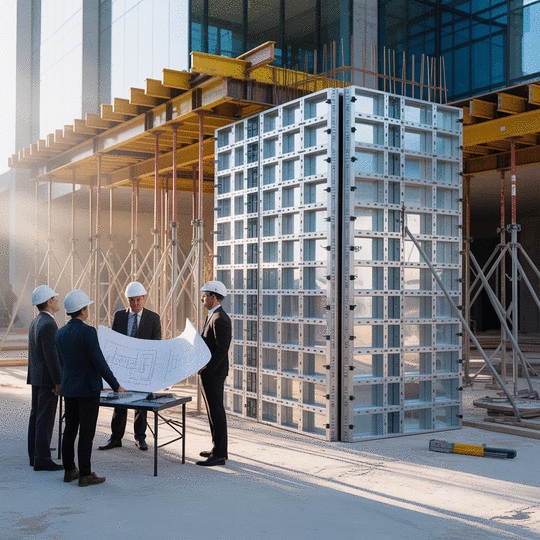
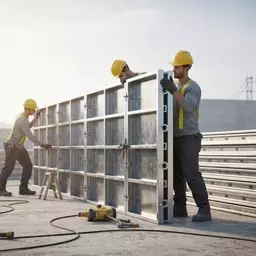
Misalignment
Aluminum Formwork: Common Issues Solved
Posted on: 2026-06-30
By: Liam Marston
Have you ever wondered how a seemingly simple choice of materials could drastically influence the efficiency and quality of your construction project? The choice of formwork, particularly aluminum, plays a pivotal role in the modern construction landscape.
What You Will Learn
- Aluminum formwork enhances construction efficiency with faster assembly and disassembly.
- Understanding common challenges, such as misalignment and leakage, is crucial for quality control.
- Incorporating modular design elements can adapt formwork systems to varying project needs.
- Regular inspections and adherence to safety standards significantly improve project outcomes.
Common Challenges and Key Aspects of Aluminum Formwork
Aluminum formwork, while highly efficient, presents specific challenges and relies on key design principles for successful implementation. Below is a comparison of the most frequent issues encountered and the crucial design aspects that contribute to project success.
Understanding Common Structural and Assembly Issues in Aluminum Formwork
Aluminum formwork is a crucial component in modern construction, providing builders with a way to create durable and efficient structures. With my experience at Aluminium Formwork Online, I’ve seen how these systems can significantly enhance the speed and quality of construction projects. But to harness their full potential, it’s essential to understand the common structural and assembly issues that can occur.

In this section, we will explore the importance of aluminum formwork in construction, identify frequent challenges, and examine key design aspects that contribute to successful implementation. Let’s dive in!
Defining Aluminum Formwork and Its Importance in Construction
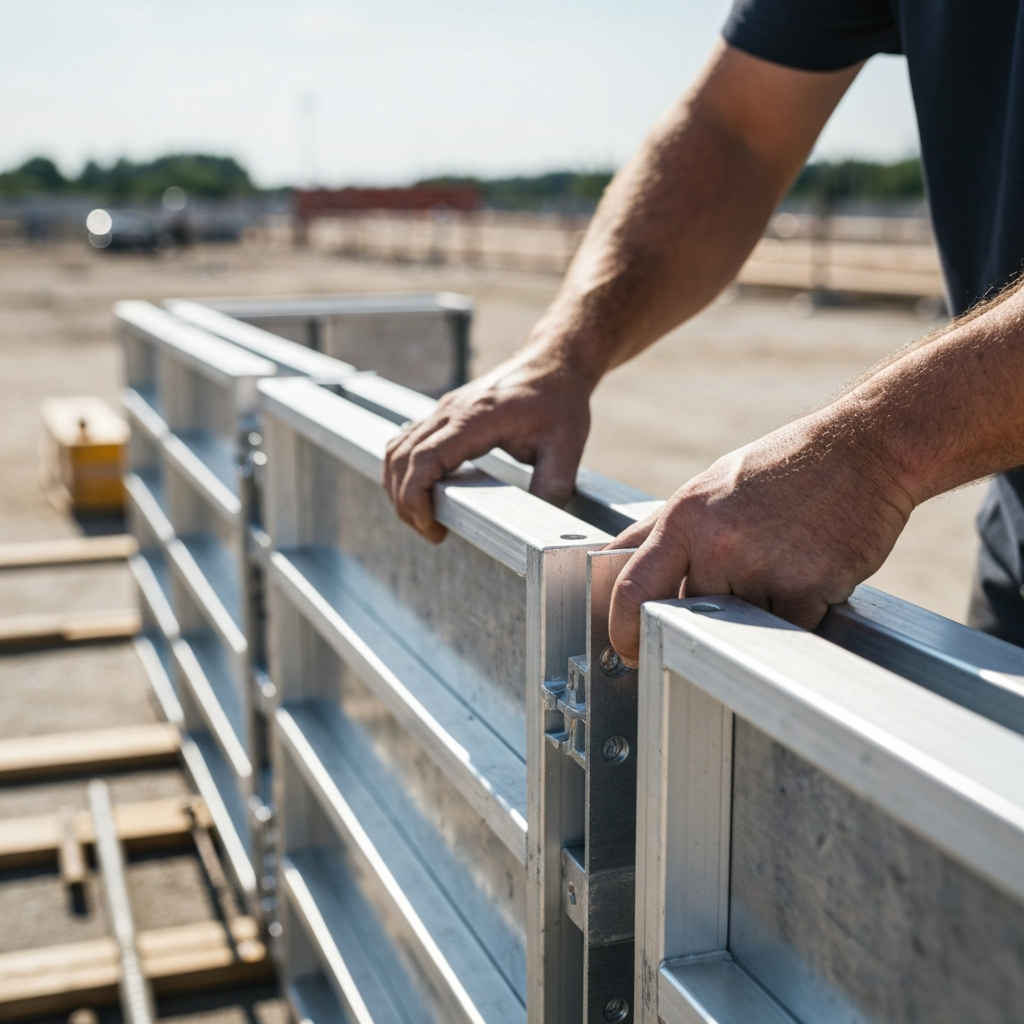
Aluminum formwork refers to a system of reusable molds used to shape concrete structures. Unlike traditional wood formwork, aluminum offers increased durability and a lighter weight, making it easier to handle on-site. The efficiency and reusability of aluminum formwork systems make them a preferred choice for modern construction. Here are a few reasons why aluminum formwork is gaining traction:
- Efficiency: Aluminum formwork allows for faster assembly and disassembly, reducing overall project timelines.
- Cost-effectiveness: While the initial investment may be higher, the long-term benefits of reusability and less labor can lead to significant savings.
- Quality of Finish: The precision of aluminum molds results in smoother surfaces, enhancing the aesthetic appeal of the finished structure.
By leveraging aluminum formwork, construction teams can achieve superior outcomes that meet the demands of today’s fast-paced building environment.
Identifying the Most Frequent Challenges Faced
While aluminum formwork offers numerous advantages, several challenges can arise during its use. Recognizing these challenges early can save time and resources. Common problems with aluminum alloy formwork include issues with panel integrity and alignment. Here are some of the most common issues:
- Misalignment: Panels can become misaligned during installation, leading to structural integrity concerns.
- Leakage: Gaps in the formwork can cause concrete leakage, affecting the quality of the pour.
- Maintenance needs: Without proper care, aluminum formwork can suffer from wear and tear, impacting its usability over time.
By being aware of these challenges, you can implement strategies to mitigate their impact on your projects.
Exploring Formwork Design: Key Aspects for Successful Implementation
Successful implementation of aluminum formwork is heavily reliant on thoughtful design. Here are key aspects to consider:
- Modularity: Using modular components allows for flexibility in design, adapting to various project needs.
- Load distribution: Understanding how loads are distributed across the formwork is essential to prevent failures.
- Sealing techniques: Proper sealing of joints is critical to preventing leaks and ensuring concrete quality. For instance, sometimes rough concrete surfaces after pouring can be attributed to inadequate sealing.
Incorporating these design elements into your planning process can dramatically enhance the effectiveness of your aluminum formwork systems, leading to successful project outcomes!
Pro Tip
To enhance the effectiveness of your aluminum formwork systems, consider implementing a digital tracking system for inspections and maintenance schedules. This proactive approach not only ensures that potential issues are identified early but also streamlines communication among team members, fostering a culture of accountability and efficiency on the job site.
Frequently Asked Questions About Aluminum Formwork
- What is aluminum formwork?
- Aluminum formwork is a reusable system of molds used in construction to shape concrete structures. It offers durability, light weight, and faster assembly compared to traditional wood formwork.
- What are the main advantages of using aluminum formwork?
- The primary advantages include increased efficiency due to faster assembly and disassembly, cost-effectiveness over the long term because of reusability, and a higher quality finish for concrete surfaces.
- What are common challenges when using aluminum formwork?
- Frequent challenges include misalignment of panels, leakage of concrete through gaps, and the need for regular maintenance to prevent wear and tear.
- How can design aspects improve aluminum formwork implementation?
- Key design aspects such as modularity (for flexibility), proper load distribution (to prevent failures), and effective sealing techniques (to prevent leaks and ensure concrete quality) are crucial for successful implementation.
- Why are regular inspections important for aluminum formwork?
- Regular inspections and quality control are essential to identify potential issues early, prevent costly repairs, and ensure the formwork remains functional and safe throughout the construction process.
- How does compliance with standards and codes impact aluminum formwork projects?
- Adhering to construction standards and building codes minimizes legal risks, enhances project credibility, and improves the overall quality of construction outcomes, building a reputation for reliability and excellence.
Summarizing Key Takeaways for Successful Aluminum Formwork Management
When it comes to managing aluminum formwork effectively, there are several key takeaways that can make a significant difference in your projects. By focusing on regular inspections and quality control, you can ensure that the formwork remains functional and safe throughout the construction process. In my experience at Aluminium Formwork Online, I've seen how these practices can lead to improved outcomes and reduced issues in the long run!
The Importance of Regular Inspections and Quality Control
Regular inspections play a critical role in maintaining the integrity of aluminum formwork systems. Implementing a structured inspection schedule helps in identifying potential issues early on, thus preventing costly repairs later. It's essential to focus on a few key areas:
- Visual checks for damage to panels and seals
- Monitoring for signs of misalignment
- Assessing the condition of support structures

By making inspections a routine part of your workflow, you can catch problems before they escalate, ensuring a smoother and safer construction process!
Encouraging Best Practices for Construction Safety and Efficiency
Safety and efficiency should always be top priorities in construction. Implementing best practices not only protects your team but also enhances productivity. Here are some effective strategies:
- Conducting thorough pre-installation training for all team members
- Utilizing checklists to ensure all safety measures are in place
- Encouraging open communication among team members about potential hazards
These practices foster a culture of safety, where everyone feels empowered to contribute to a safe working environment. When safety is prioritized, efficiency naturally follows!
Reviewing Construction Standards and Building Codes for Compliance
Staying compliant with relevant construction standards and building codes is crucial for the successful implementation of aluminum formwork systems. Regularly reviewing these regulations helps to ensure that your projects not only meet industry standards but also adhere to local codes. This careful attention leads to:
- Minimized legal risks and liabilities
- Enhanced project credibility and trust with clients
- Improved overall quality of construction outcomes
In my years in the industry, I’ve learned that compliance isn’t just about following the rules—it's about building a reputation for reliability and excellence in every project!
Engaging with the Community: Questions and Feedback
Engagement with the construction community is vital for ongoing improvement and innovation in aluminum formwork practices. Open dialogues can lead to valuable insights and shared experiences that benefit everyone involved.
Addressing Common Queries: How to Fix Specific Issues
Common questions often arise regarding specific issues in aluminum formwork. For instance, many builders ask about the best way to address misalignment or leakage after installation. Providing clear answers and practical solutions can help alleviate concerns and improve project outcomes. If you have specific challenges in your projects, feel free to reach out—I’d love to help!
Inviting Reader Insights and Experiences with Aluminum Formwork
Lastly, I invite you to share your experiences with aluminum formwork systems. Your insights on challenges faced, solutions discovered, and best practices implemented can greatly enrich our community. Let’s learn from one another, as collaboration leads to innovation and improved practices in our field!
Recap of Key Points
Here is a quick recap of the important points discussed in the article:
- Aluminum formwork enhances construction efficiency through faster assembly and disassembly.
- Recognizing common challenges such as misalignment and leakage is crucial for project success.
- Key design aspects include modularity, load distribution, and proper sealing techniques to prevent leaks.
- Regular inspections and quality control are essential to maintain the integrity of aluminum formwork systems.
- Implementing best practices promotes safety and efficiency on construction sites.
- Staying compliant with construction standards and building codes is vital for project credibility and quality.
2026-08-15
Aluminium Formwork Maintenance Mistakes Explained
 Proper maintenance of aluminum formwork can significantly impact project success. As construction pr
2026-08-09
Choosing Projects for Aluminium Formwork
 Have you ever considered how a simple choice in construction materials can transform your project’
2026-08-03
Aluminium Formwork Training and Certification
 In today’s rapidly evolving construction landscape, embracing innovative solutions is no longer op