Optimize Your Formwork Projects!

Unlock expert insights on aluminium formwork systems and concrete casting workflows. Subscribe for cutting-edge technical guidance.

Risk Management in Aluminium Formwork


Risk Management in Aluminium Formwork

Posted on: 2026-04-19
By: Liam Marston


Proper risk management is crucial in aluminum formwork projects, and understanding its nuances can lead to safer construction environments. With effective strategies, you can protect both your team and the project.

What You Will Learn

  • The significance of thorough safety planning to mitigate risks and enhance worker safety.
  • Key characteristics of aluminum formwork that contribute to its efficiency and durability in construction.
  • Essential steps for integrating safety standards into your project to ensure compliance and foster a safe work environment.
  • Best practices for hazard identification and prevention strategies that streamline workflow and protect personnel.

Key Aspects of Risk Management in Aluminum Formwork Projects

Effective risk management is crucial for the safety and success of construction projects utilizing aluminum formwork. This visual highlights core aspects for proactive hazard identification and prevention.

Safety Planning & Integration

  • Risk assessments
  • Specific safety protocols
  • Worker engagement & training
  • Regular standard updates

Aluminum Formwork Characteristics

  • Lightweight & easy handling
  • Modular & flexible design
  • High strength-to-weight ratio
  • Enhances efficiency & quality

Best Practices for Safety

  • Prioritize initial safety planning
  • Regular training & supervision
  • Thorough inspections & maintenance
  • Clear team communication

Continuous Improvement & Feedback

  • Regularly assess safety measures
  • Seek team feedback for strategies
  • Share experiences & lessons learned
  • Establish robust management systems

Understanding Risk Management in Aluminum Formwork Projects

When it comes to aluminum formwork projects, having a solid grasp of risk management is essential. I’ve seen firsthand how proper management can dramatically enhance the safety and success of a construction project. By being proactive, we can identify potential hazards and implement effective strategies that safeguard our teams and resources.

Understanding the nuances of risk management not only protects workers but also ensures that we maintain project timelines and budgets. After all, a well-planned project is a successful project. Let’s dive into the critical components of risk management in the context of aluminum formwork.

The Importance of Safety Planning

Safety planning is the backbone of any construction project, especially when using aluminum formwork systems. It’s crucial to establish a thorough safety plan that identifies potential risks and outlines how to manage them. Here are key aspects to consider:

  • Conducting risk assessments to analyze the project environment.
  • Identifying safety protocols specific to aluminum formwork.
  • Engaging with teams to discuss safety measures and expectations.

By prioritizing safety planning, we can create a culture where safety becomes second nature to everyone involved. This proactive approach not only prevents accidents but also fosters a sense of responsibility among workers.

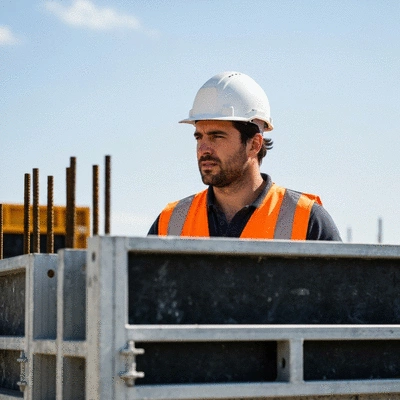
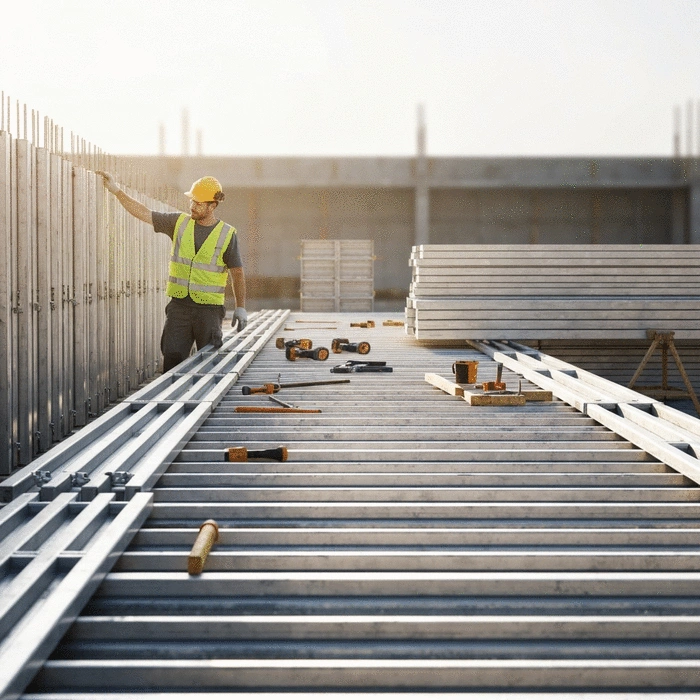
Construction worker inspecting aluminum formwork on a building site

Defining Aluminum Formwork: Key Characteristics

Aluminum formwork is a popular choice for its durability and efficiency. Understanding its key characteristics helps in making informed decisions during project planning. Here are some defining features:

  • Lightweight construction material, facilitating easier handling.
  • Modular design that allows for flexible configurations.
  • High strength-to-weight ratio, enhancing structural integrity.

These characteristics not only streamline the construction process but also significantly contribute to cost-effectiveness and quality outcomes. It's vital to recognize these traits when selecting a formwork system for your project.

Integrating Construction Safety Standards into Formwork Projects

Integrating established safety standards into aluminum formwork projects is crucial for compliance and safety. Following guidelines from organizations like OSHA can help ensure that our practices meet industry expectations. For example, the OSHA standard 1926.703 provides specific requirements for formwork, including design, fabrication, erection, and removal, highlighting the importance of proper system design and construction. Consider these essential integration steps:

  • Regularly updating safety protocols based on current regulations.
  • Training workers on specific standards related to aluminum formwork.
  • Conducting routine audits to assess adherence to safety measures.

By embedding safety standards into our project frameworks, we’re not just complying with regulations; we’re also fostering a safer work environment that protects our teams and enhances overall project success! Moreover, understanding resources like the IHSA Formwork Safety Guide can provide practical insights into hazard recognition and control specific to formwork operations.

Hazard Identification and Prevention Strategies

In any construction environment, being able to identify hazards is the first step towards prevention. By understanding the common risks associated with aluminum formwork, we can develop robust strategies to mitigate them effectively.

Pro Tip

To enhance your risk management strategies in aluminum formwork projects, consider implementing a digital project management tool. These platforms can streamline communication, track safety compliance, and provide real-time updates on project status. This proactive approach not only improves safety but also boosts overall project efficiency.

Summarizing Key Takeaways for Risk Management and Safety Planning

As we wrap up our discussion on risk management in aluminum formwork projects, it's essential to highlight some best practices that can significantly enhance safety on construction sites. These practices not only protect workers but also streamline the overall workflow and efficiency of your projects. So, what are the key takeaways?

  • Prioritize safety planning from the outset of the project.
  • Conduct regular training and supervision to ensure everyone is prepared.
  • Implement thorough inspection and maintenance protocols for your formwork systems.
  • Establish clear communication among team members to foster a culture of safety.

By focusing on these core aspects, you can create a safe work environment that minimizes risks and promotes productivity. Remember, safety isn't just a checkbox; it's a continuous commitment.

Construction worker reviewing safety checklist on a tablet

Final Thoughts on Continuous Improvement in Safety Protocols

At Aluminum Formwork Online, we believe that safety protocols are not static. They should evolve as new technologies and methodologies are developed in the construction industry. Continuous improvement is a necessity, not just an option!

It’s vital to regularly assess your safety measures and seek feedback from your team. Have you engaged with your workers about what’s working well and what isn’t? Incorporating their insights can lead to more effective safety strategies.

Frequently Asked Questions (FAQs)

Here are some common questions about risk management in aluminum formwork projects:

  1. What is the primary benefit of using aluminum formwork in construction projects?
    Aluminum formwork is highly valued for its durability, efficiency, lightweight nature, and modular design, which collectively contribute to cost-effectiveness and high-quality outcomes.
  2. How does safety planning specifically address risks in aluminum formwork projects?
    Safety planning involves comprehensive risk assessments, identifying specific safety protocols for aluminum formwork, and engaging teams through training and discussions to proactively manage and mitigate potential hazards.
  3. What role do regulatory bodies like OSHA play in aluminum formwork safety?
    Regulatory bodies like OSHA establish and enforce safety standards and guidelines (e.g., OSHA 1926.703 for formwork) that projects must adhere to, ensuring compliance and promoting a safe working environment.
  4. What are some key best practices for ensuring safety in aluminum formwork projects?
    Key best practices include prioritizing initial safety planning, providing regular training and supervision, conducting thorough inspections and maintenance, and maintaining clear communication among team members.
  5. Why is continuous improvement important for safety protocols in construction?
    Continuous improvement ensures that safety protocols evolve with new technologies and industry advancements, incorporating feedback from workers and adapting strategies to maintain optimal safety and efficiency.

Taking Action: Practical Steps for Implementation

Downloadable Checklist: Aluminum Formwork Safety Measures

To help you kickstart your safety planning, I’ve put together a downloadable checklist that outlines essential aluminum formwork safety measures. This tool will provide a clear path for implementing and evaluating your safety protocols effectively.

By following this checklist, you can ensure that your team adheres to the best safety practices, enhancing both security and efficiency on the job site!

Encouraging Feedback and Sharing Experiences for Better Practices

Sharing experiences is a powerful way to enhance safety practices across the board. I encourage all builders, contractors, and engineers to engage in discussions about their projects. How have you navigated challenges related to aluminum formwork?

  • What strategies worked for you in hazard prevention?
  • Have you encountered unexpected issues, and how did you resolve them?
  • What lessons have you learned that others could benefit from?

Your feedback can inspire others and foster a community committed to safety and efficiency in construction. Let's learn from one another!

Establishing Safety Management Systems for Ongoing Compliance

Finally, it’s crucial to establish robust safety management systems that ensure ongoing compliance with industry standards. These systems should include regular audits, training updates, and communication strategies to keep everyone informed. The Canadian Centre for Occupational Health and Safety (CCOHS) provides excellent guidance on developing effective safety management systems, stressing the importance of a systematic approach to risk control.

By proactively managing safety, you not only protect your workforce but also enhance the overall reputation of your projects. A strong safety record can be a significant competitive advantage in our industry!

Recap of Key Points

Here is a quick recap of the important points discussed in the article:

  • Prioritize safety planning from the outset of the project.
  • Conduct regular training and supervision to ensure everyone is prepared.
  • Implement thorough inspection and maintenance protocols for your formwork systems.
  • Establish clear communication among team members to foster a culture of safety.
  • Continuously assess and improve safety protocols based on feedback and industry advancements.

Subscribe & Share
Aluminum Formwork Safety Standards Explained Aluminum Formwork Safety Standards Explained In the world of construction, the importance of safety cannot be overstated. A single overlooked sta
Repairing Damaged Aluminium Formwork Safely Repairing Damaged Aluminium Formwork Safely What if a small change in your construction process could lead to faster project completion and redu
Risk Management in Aluminium Formwork Risk Management in Aluminium Formwork Proper risk management is crucial in aluminum formwork projects, and understanding its nuances can l
Banner
Aluminium Formwork Online

Your go-to resource for mastering aluminium formwork systems. We help builders, contractors, and engineers with technically sound guidance and practical insights for superior project outcomes.

Trusted by industry professionals, our mission is to provide reliable, easy-to-follow insights backed by extensive engineering expertise and modern construction standards.

Learn More
Recent Posts
Aluminum Formwork Safety Standards Explained Aluminum Formwork Safety Standards Explained

In the world of construction, the importance of sa

Repairing Damaged Aluminium Formwork Safely Repairing Damaged Aluminium Formwork Safely

What if a small change in your construction proces

Risk Management in Aluminium Formwork Risk Management in Aluminium Formwork

Proper risk management is crucial in aluminum form

Aluminium Formwork Insights