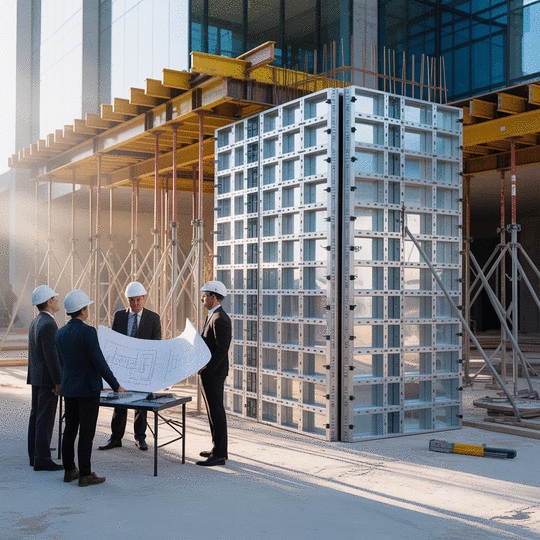
Optimize Your Formwork Projects!

Unlock expert insights on aluminium formwork systems and concrete casting workflows. Subscribe for cutting-edge technical guidance.

Effective Project Planning for Formwork


How to Develop an Effective Project Planning Workflow for Aluminium Formwork Systems

Posted on: 2025-12-10
By: Liam Marston


Effective project planning is not just a guideline; it’s a necessity in the construction industry. As you embark on your next project, consider how structured planning can minimize risks and maximize outcomes.

What You Will Learn

  • Effective project planning minimizes risks and unforeseen issues during construction.
  • Enhances communication among team members for improved collaboration.
  • Ensures optimal resource allocation and scheduling to meet deadlines.
  • Key components of aluminium formwork systems include modular design and structural integrity.
  • A phased approach to project planning allows for systematic evaluation of all aspects of construction.
  • Implementing best practices leads to faster and safer project completion.
  • Continuous improvement through Lean principles helps to refine processes and enhance project outcomes.
  • Engaging with experts and utilizing resources promotes knowledge sharing and team growth.

Phased Approach to Project Planning Workflow

A structured, phased approach ensures thorough evaluation and successful outcomes in aluminium formwork projects. Below outlines the key stages.

Phase 1: Initial Analysis

Comprehensive situation analysis to identify project scope and constraints.

Phase 2: Detailed Planning

Develop formwork layouts, resource allocation, and safety protocols.

Phase 3: Execution & Monitoring

On-site implementation with continuous progress tracking and quality checks.

Phase 4: Review & Improvement

Post-project evaluation to identify lessons learned and optimize future workflows.

Understanding the Importance of Project Planning for Aluminium Formwork Systems

Effective project planning is the backbone of any successful construction endeavor, especially when working with aluminium formwork systems. Without a solid plan, projects can quickly veer off course, leading to delays and increased costs. At Aluminium Formwork Online, I’ve seen firsthand how critical it is to have clear objectives and a well-structured workflow in place. Let’s dive into why effective project planning is essential in construction!

A well-planned project not only enhances efficiency but also ensures safety and quality outcomes. It allows teams to anticipate challenges, allocate resources wisely, and maintain communication throughout the construction process. By focusing on project planning, you set the stage for a smoother construction journey.

Why Effective Project Planning is Crucial in Construction

  • Minimizes risks and unforeseen issues during construction
  • Enhances communication among team members
  • Ensures optimal resource allocation and scheduling
  • Helps in meeting project deadlines and budget constraints

One of the key benefits of effective project planning is that it significantly reduces risks. By identifying potential issues early on, teams can develop strategies to mitigate them. This proactive approach fosters a collaborative environment, where everyone is on the same page, leading to improved communication. Additionally, when resources are allocated efficiently, it leads to better scheduling and ultimately helps keep projects within budget. For a deeper understanding of how effective project management can impact outcomes, you can refer to insights on project management and its influence on project success.

Key Components of Aluminium Formwork Systems Overview

To truly understand how to plan effectively for aluminium formwork projects, it’s essential to grasp the key components of these systems. Aluminium formwork is designed for rapid assembly, versatility, and durability. Here are some essential elements to consider:

  • Modular design for flexible configurations
  • Structural integrity for load-bearing capacity
  • Ease of transportation and storage
  • Reusability and sustainability benefits

Each of these components plays a vital role in how efficiently the formwork can be assembled and utilized on-site. The modular design allows for quick adjustments, which is a game-changer when working on varying project scales. Understanding these key components not only aids in effective planning but also ensures that you choose the right system for your specific project requirements. For more technical details on the design and structural integrity of formwork systems, consider exploring this scholarly article on formwork design considerations.

Phased Approach to Project Planning Workflow

Implementing a phased approach to project planning allows for a systematic evaluation of all aspects of the construction process. This method ensures that each phase is thoroughly addressed, leading to successful project outcomes. I can’t emphasize enough how important it is to approach project planning in a structured manner!

In the following sections, we will break down the phases involved in planning for aluminium formwork systems, starting with conducting a comprehensive situation analysis.

Pro Tip

To maximize the efficiency of your aluminium formwork systems, consider implementing a detailed pre-construction checklist. This checklist should include site assessments, material inspections, and team readiness evaluations. By doing so, you set clear expectations and ensure that all team members are aligned before the actual construction begins, minimizing the risk of delays and enhancing overall workflow.

Summarizing Best Practices for an Effective Planning Workflow

As we wrap up our discussion on project planning for aluminium formwork systems, it's important to reflect on some key takeaways. Proper planning not only sets the foundation for a successful project but also ensures that construction workflows remain efficient and effective. When you focus on the right strategies, you can minimize delays and avoid costly mistakes.

Here are some best practices to keep in mind:

  • Clearly define project objectives and constraints at the outset.
  • Conduct a thorough analysis of site conditions.
  • Create detailed formwork layout plans that consider structural safety.
  • Implement quality control measures throughout the project.
  • Leverage modern technologies like BIM for enhanced precision.

These practices can significantly improve your planning workflow, ultimately leading to faster and safer project completion. For additional insights into the impact of planning on project success, research on project planning and its role in construction efficiency can be highly beneficial.

Encouraging Continuous Improvement in Project Management

Continuous improvement is the lifeblood of effective project management, especially in the ever-evolving construction industry. Embracing a mindset focused on growth can help you and your team adapt to new challenges and refine your processes. One way to foster this culture is by implementing Lean construction principles, which emphasize efficiency and waste reduction.

Consider these Lean principles that can enhance your project management:

  • Value Stream Mapping to identify and eliminate non-value-adding activities.
  • Just-In-Time delivery to reduce inventory costs and improve cash flow.
  • Continuous feedback loops to promote learning and adaptation.

By integrating these principles, you not only streamline your workflows but also empower your team to strive for excellence in every project.

Next Steps: Implementing Your Project Planning Workflow

Actionable Tips for Immediate Application

Now that you have a solid understanding of project planning, it's time to take action! Here are some actionable tips to implement your planning workflow effectively:

  • Set clear project goals and communicate them to your team.
  • Utilize checklists to track progress and ensure no steps are missed.
  • Schedule regular meetings to discuss challenges and brainstorm solutions.
  • Incorporate technology to streamline processes, such as project management software.

These steps will help you transition from planning to execution smoothly and efficiently!

Engaging with Experts and Resources for Further Learning

As you move forward, don't hesitate to engage with experts and utilize available resources. Building a network of professionals can enhance your knowledge and open doors to collaboration. At Aluminium Formwork Online, we are dedicated to empowering construction professionals with the insights they need.

Here are a few ways to foster team collaboration and engage stakeholders effectively:

  • Invite industry experts to share their experiences and insights.
  • Conduct team workshops focused on problem-solving and innovation.
  • Utilize online forums or community platforms for continuous learning.

By actively seeking collaboration and knowledge sharing, you can create an environment that encourages growth and success in your aluminium formwork projects.

FAQs about Project Planning for Aluminium Formwork Systems

Q: Why is effective project planning crucial in construction, especially for aluminium formwork systems?
A: Effective project planning minimizes risks and unforeseen issues, enhances communication among team members, ensures optimal resource allocation and scheduling, and helps in meeting project deadlines and budget constraints. This is particularly important for aluminium formwork due to its modularity and reusability, which require precise coordination.
Q: What are the key components of aluminium formwork systems?
A: Key components include modular design for flexible configurations, structural integrity for load-bearing capacity, ease of transportation and storage, and reusability, offering sustainability benefits.
Q: What does a phased approach to project planning entail for aluminium formwork projects?
A: A phased approach involves initial analysis (project scope and constraints), detailed planning (formwork layouts, resource allocation, safety protocols), execution and monitoring (on-site implementation, progress tracking, quality checks), and review and improvement (post-project evaluation, lessons learned).
Q: What are some best practices for an effective planning workflow in construction?
A: Best practices include clearly defining project objectives, conducting thorough site analyses, creating detailed formwork layout plans for structural safety, implementing quality control measures, and leveraging modern technologies like BIM for enhanced precision.
Q: How can continuous improvement be fostered in project management for construction?
A: Continuous improvement can be fostered by implementing Lean construction principles such as Value Stream Mapping, Just-In-Time delivery, and continuous feedback loops. Engaging with experts and utilizing resources for knowledge sharing also contributes significantly.

Recap of Key Points

Here is a quick recap of the important points discussed in the article:
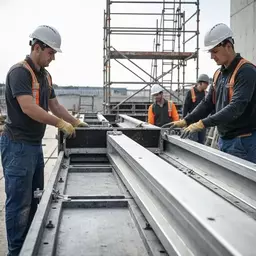
  • Effective project planning minimizes risks and enhances communication among team members.
  • Understanding the key components of aluminium formwork systems supports better project planning.
  • Implementing a phased approach to project planning leads to systematic evaluation and improved outcomes.
  • Best practices include clearly defining project objectives, conducting thorough site analyses, and leveraging modern technologies.
  • Continuous improvement and Lean construction principles can further enhance project management efficiency.

Subscribe & Share
Aluminium Formwork Installation Guide Step-by-Step Guide to Scheduling and Sequencing Aluminium Formwork Installation Have you considered how the choice of formwork can dramatically impact your construction planning? A
Modular Aluminium Formwork Installation Options Comparing Modular Aluminium Formwork Installation Methods: Which Suits Your Project? Did you know that utilizing modular aluminium formwork can significantly reduce construction time an
Modular Aluminum Formwork Assembly Guide Step-by-Step Guide to Modular Aluminum Formwork Assembly and Installation When considering new technologies in construction, the potential to enhance efficiency often lies in
Banner
Aluminium Formwork Online

Your go-to resource for mastering aluminium formwork systems. We help builders, contractors, and engineers with technically sound guidance and practical insights for superior project outcomes.

Trusted by industry professionals, our mission is to provide reliable, easy-to-follow insights backed by extensive engineering expertise and modern construction standards.

Learn More
Recent Posts
Step-by-Step Guide to Scheduling and Sequencing Aluminium Formwork Installation Aluminium Formwork Installation Guide

Have you considered how the choice of formwork can

Comparing Modular Aluminium Formwork Installation Methods: Which Suits Your Project? Modular Aluminium Formwork Installation Options

Did you know that utilizing modular aluminium form

Step-by-Step Guide to Modular Aluminum Formwork Assembly and Installation Modular Aluminum Formwork Assembly Guide

When considering new technologies in construction,

Aluminium Formwork Insights