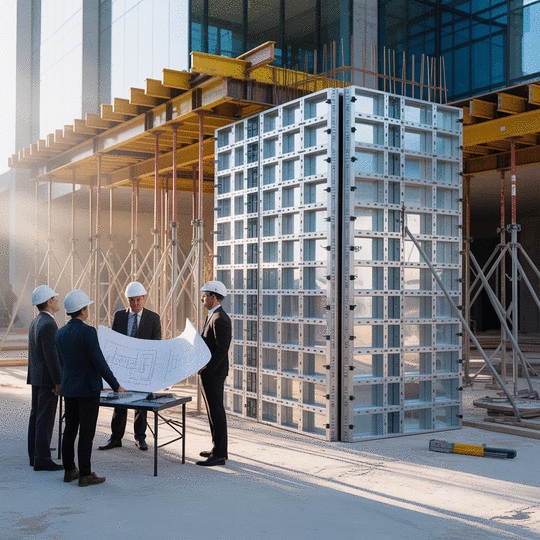
BIM: Enhanced Planning & Visualization
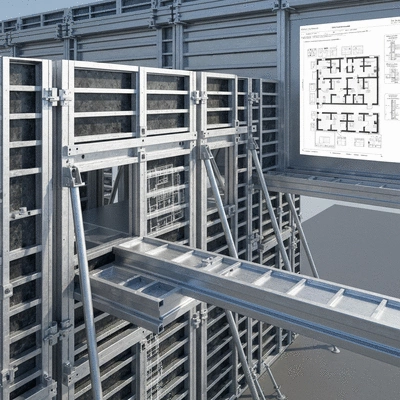
- 3D visualization of project components
- Improved accuracy in design & planning
- Efficient resource management & scheduling
Unlock expert insights on aluminium formwork systems and concrete casting workflows. Subscribe for cutting-edge technical guidance.
Posted on: 2026-06-12
By: Liam Marston
What if integrating technology could revolutionize your construction projects, making them more efficient and less prone to errors? The emergence of Building Information Modeling (BIM) is a game-changer, particularly in the realm of aluminum formwork planning. In this article, you’ll discover how embracing BIM can lead to remarkable improvements in collaboration and project execution.
Building Information Modeling (BIM) combined with aluminum formwork systems offers powerful benefits. Explore how these two elements enhance construction planning, efficiency, and project outcomes.
Building Information Modeling, or BIM, has revolutionized the construction industry, especially in planning and executing projects involving aluminum formwork systems. This innovative approach allows construction professionals to create digital representations of physical and functional characteristics of a project. As someone who has spent over a decade in the formwork sector, I’ve witnessed firsthand how embracing BIM can lead to significant improvements in planning efficiency and collaboration among teams.
BIM is not just a buzzword; it’s a powerful tool that helps streamline communication and enhances decision-making. By using BIM, builders, contractors, and engineers can visualize their projects in a 3D environment, making it easier to identify potential issues before they arise. Have you ever encountered delays due to miscommunication? With BIM, many of those headaches can be avoided!
BIM is a digital tool that enables construction professionals to design, visualize, and manage building projects. It encompasses various elements, including 3D modeling, which allows teams to create detailed representations of structures. In the context of aluminum formwork, BIM helps in planning layouts, understanding structural behavior, and coordinating different trades involved in a project. For a deeper dive into the technical aspects of BIM applications in formwork, you can explore research on BIM-based automatic formwork scheduling.
Integrating BIM into your workflow means embracing a collaborative approach to construction. It’s about bringing everyone together—contractors, engineers, and clients—to ensure that every aspect of the project is accounted for. This proactive strategy can lead to smoother project execution and higher-quality outcomes!
Aluminum formwork systems play a crucial role in modern construction. These systems offer several advantages, such as lightweight design, durability, and reusability, making them a favorite among contractors. By using aluminum formwork, teams can improve their construction timelines and reduce labor costs, which is becoming increasingly important in today's competitive market. Further insights into the efficiency of these systems can be found in studies on aluminum formwork systems for building construction.
Incorporating aluminum formwork enhances project efficiency, making it a go-to choice for many builders. Combining this with BIM can amplify these benefits even further, leading to remarkable results in project delivery.
3D modeling is a game-changer for aluminum formwork planning. With detailed visualizations, teams can foresee challenges and make necessary adjustments before construction begins. This not only saves time but also significantly reduces the risk of costly errors.
As a seasoned construction engineer, I can attest to the advantages of using 3D models. They promote collaboration and help bridge the gap between different teams. The end result? A more streamlined construction process that leads to higher-quality outcomes and satisfied clients!
To maximize the benefits of BIM in your aluminum formwork projects, consider implementing regular training sessions for your team. Keeping everyone up-to-date with the latest BIM technologies and techniques not only enhances collaboration but also ensures that your projects run smoothly and efficiently. Investing in your team's knowledge is investing in your project's success!
As we look towards the future of construction, it's clear that digital technologies will continue to revolutionize the industry. In particular, Building Information Modeling (BIM) is evolving rapidly, with trends that promise to enhance efficiency and quality in aluminum formwork projects. Let's dive into some of these exciting advancements!
5D planning is gaining traction in the construction sector, and for good reason! This approach integrates time and cost into the traditional 3D modeling process, allowing teams to visualize not just the design but also the project timeline and budget. With 5D planning, project managers can anticipate challenges and streamline workflows, particularly in aluminum formwork applications.
Integrating 5D planning into your project can significantly boost productivity, as team members can make informed decisions based on accurate data right from the start!
Artificial Intelligence (AI) is beginning to play a critical role in construction by automating processes and improving decision-making. Tools powered by AI can analyze vast amounts of data to predict outcomes, which can be particularly useful in the realm of aluminum formwork. For example, AI can contribute to optimizing BIM-based construction planning. Imagine the possibilities:
By leveraging these smart technologies, we can create more resilient and adaptable construction projects that stand the test of time!
Lean construction emphasizes reducing waste and maximizing value—principles that align perfectly with the capabilities of BIM. By adopting lean practices in conjunction with BIM, teams can enhance their aluminum formwork workflows significantly. Here are some ways to integrate these methodologies:
Combining lean practices with BIM not only leads to a smoother construction process but also contributes to higher-quality outcomes. As I’ve witnessed in my years of experience, these methodologies can make a substantial difference in project success!
Ready to take the plunge into BIM? It’s an exciting journey that can transform the way you approach your projects. Let’s break down some essential steps to ensure a smooth implementation.
The first step is to research and identify potential vendors that offer reliable BIM solutions. Look for providers with experience in aluminum formwork systems and positive feedback from their clients. Here’s what to consider:
Taking the time to choose the right vendor can set the stage for a successful transition!
Once you have your vendor, it’s time to create a roadmap for integrating BIM into your workflow. This should include key milestones, responsibilities, and timelines. Here are a few steps to consider:
A clear roadmap will help keep everyone on track and ensure that you’re maximizing the benefits of BIM!
Finally, it’s crucial to address the human side of the transition. Change management involves guiding your team through the adoption of new technologies and processes. Think about these strategies:
By focusing on change management, you can foster a positive culture around BIM adoption and enhance overall project outcomes!
Here is a quick recap of the important points discussed in the article:
Proper maintenance of aluminum formwork can signif