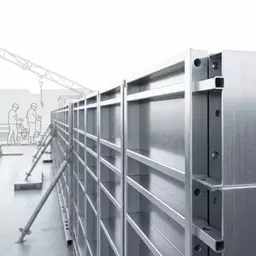
Supplier Evaluation Process Overview
1.
Conduct Comprehensive Audits
2.
Assess Material Quality & Specs
3.
Analyze Customization & Support
4.
Evaluate Reliability & Timelines
Unlock expert insights on aluminium formwork systems and concrete casting workflows. Subscribe for cutting-edge technical guidance.
Posted on: 2026-03-20
By: Liam Marston
Selecting the right aluminium formwork supplier can be the linchpin of your project's success. With the right choice, not only can you enhance construction quality, but you can also streamline operations and avoid costly delays. What if the key to a smoother project lay in the partnerships you forge? Let’s explore essential insights that can transform your supplier evaluation process.
Understanding these critical factors when choosing an aluminium formwork supplier can significantly impact your project's success, ensuring quality, efficiency, and reliability.
As project planners, selecting the right aluminium formwork supplier is a critical step that can significantly influence your project's success. With my experience at Aluminium Formwork Online, I've seen how the right choice not only enhances the quality of construction but also improves overall efficiency. It's essential to understand the factors that play into this selection process to ensure that your project runs smoothly from start to finish.
Choosing a supplier is more than just a transactional decision; it's about establishing a partnership that can provide the necessary support throughout your project. Let’s explore why this choice matters and the challenges you might face in procurement.
Selecting the right supplier impacts several aspects of your project, including timelines, costs, and quality of the final product. Here are a few key factors to consider:
Understanding these elements can help you make a more informed decision, leading to better outcomes for your projects. However, it’s crucial to be aware of common challenges in formwork procurement as well.
The right supplier can be the difference between a project that stays on budget and on schedule, and one that faces delays and cost overruns. Engaging with a supplier who understands your specific needs allows for a tailored approach, enhancing the overall workflow. Have you ever experienced delays because of a supplier's inability to deliver on time? This is a common challenge that can be mitigated with thorough research and clear communication.
When it comes to procuring aluminium formwork, several challenges often arise:
Recognizing these challenges early on can help you navigate the procurement process more effectively. It's essential to communicate your expectations clearly to avoid potential pitfalls.
Now that we understand the importance of selecting the right supplier, let’s dive into the key factors you should evaluate when assessing aluminium formwork suppliers. A comprehensive evaluation can save you time and money in the long run.
One of the first steps in evaluating suppliers is to conduct a thorough audit. This involves examining their processes, quality control measures, and overall reliability. Here are crucial aspects to consider:
By focusing on these areas, you can shortlist suppliers who align with your project goals and standards.
Quality control is non-negotiable when it comes to formwork systems. A supplier should have established protocols for inspecting materials, and their processes should be transparent. Ask them about their quality certification standards, and don't hesitate to request documentation.
Additionally, factory verification is vital. Engaging third-party inspectors can provide an unbiased evaluation of the supplier's manufacturing processes. This not only boosts your confidence in their capabilities but also ensures compliance with industry regulations.
When evaluating a supplier, the quality of materials is paramount. This directly affects the safety and durability of your construction projects.
Different aluminium alloys have varying strengths and durability. It's essential to understand these specifications to select suitable materials for your specific application. Don't hesitate to ask suppliers for technical data sheets that detail the properties of their materials. For instance, the Aluminum Association provides comprehensive life cycle assessment reports that can help in evaluating the environmental impact and durability of various aluminum products.
Compliance with recognized standards, such as ASTM and EN, ensures that the materials used meet safety and performance criteria. Suppliers should provide documentation to verify adherence to these standards, giving you peace of mind in your selection. Research on construction materials often highlights the significance of these standards in ensuring structural integrity and safety.
Every project is unique, and the best suppliers recognize this by offering customization options. Determine what kind of project-specific customizations they can provide.
Look for suppliers that can tailor their solutions to your specific project requirements. This can include adjustments in design, size, and even delivery schedules.
Furthermore, assess what additional support services the supplier offers. Whether it’s on-site assistance during installation or ongoing maintenance support, these services can significantly enhance project efficiency.
Finally, reliable suppliers are key to maintaining project momentum. Evaluating their reliability and understanding delivery timelines can help you mitigate risks in your planning.
Lead time refers to the time it takes for a supplier to fulfill an order. Understanding this timeframe is critical to your project schedule. A good supplier should have predictable lead times that you can factor into your project timeline.
Reviewing performance metrics, such as past delivery records and client testimonials, provides valuable insight into a supplier's reliability. This information can help you make an informed decision and avoid potential disappointments down the line.
What challenges have you faced when selecting an aluminium formwork supplier? Share your thoughts below:
As we wrap up our discussion on evaluating aluminium formwork suppliers, it's crucial to recognize the key factors that can make or break your project's success. Understanding these elements not only enhances your procurement process but also ensures that you align with a supplier who meets your project's specific needs. Here’s a quick recap of what we’ve covered:
When assessing aluminium formwork suppliers, consider the following essential components:
These factors collectively enhance the likelihood of achieving quality outcomes while maintaining efficiency. Remember, the right supplier can significantly influence not only the quality of materials but also the overall project timeline.
Quality assurance and compliance are non-negotiable when selecting a supplier. Quality control processes must be in place to ensure that the formwork meets all necessary regulatory requirements. This not only minimizes risks but also instills confidence in your project planning.
Compliance with industry standards indicates that the supplier values safety and reliability, which ultimately contributes to the success of your construction efforts.
Don't underestimate the impact of customization and robust support services. A supplier that understands your specific project needs can offer solutions that enhance efficiency and effectiveness. Whether it’s adjusting formwork sizes or providing logistical support, these services can make a world of difference!
The ability to communicate openly with your supplier fosters a collaborative atmosphere, leading to smoother project execution and better outcomes.
If you're ready to streamline your supplier selection process, download our Aluminium Formwork Supplier Evaluation Checklist. This template will guide you through the necessary steps for a thorough evaluation of potential suppliers, making your decision-making process much easier!
Having a clear checklist helps you focus on the critical factors we discussed, ensuring you don’t miss any vital details along the way. It's a valuable tool for any project planner.
Now that you're equipped with the right knowledge, it's time to engage with potential suppliers. Reach out to leading suppliers in the industry for more information and quotes.
Having conversations with multiple suppliers will help you gauge their understanding of your needs and their capacity to deliver quality products and services. Don't hesitate to ask for references or examples of their previous work!
Finally, consider building long-term partnerships with suppliers who demonstrate reliability and a commitment to quality. Strong supplier relations can lead to more favorable terms, better pricing, and a smoother construction process.
By fostering these relationships, not only do you enhance your own business reputation, but you also contribute to the overall efficiency and quality of the construction industry. Let’s work together to achieve excellence in our projects!
Proper maintenance of aluminum formwork can signif