Typical Lifespan Comparison: Aluminium vs. Timber
With proper care, aluminium formwork significantly outperforms timber.
Aluminium Panels
Up to 300 Cycles
(with proper maintenance)
Timber Options
Typically 10-15 Cycles
(before replacement)
Unlock expert insights on aluminium formwork systems and concrete casting workflows. Subscribe for cutting-edge technical guidance.
Posted on: 2026-01-05
By: Liam Marston
What if the key to reducing your construction costs lies in something as simple as cleaning? Discover how a little maintenance can extend the lifespan of your aluminium formwork panels and enhance project efficiency.
This visual summarizes key comparisons and impact of maintenance on aluminium formwork panels, highlighting lifespan differences and cost savings.
With proper care, aluminium formwork significantly outperforms timber.
Up to 300 Cycles
(with proper maintenance)
Typically 10-15 Cycles
(before replacement)
30% Reduction
in replacement costs over 12 months with strict cleaning regimen.
35% Longer
average reuse cycle for regularly maintained panels.
Cleaning aluminium formwork panels is crucial for maintaining their quality and longevity. Regular cleaning not only ensures that your panels remain in optimal condition but also enhances their reusability. In the fast-paced world of construction, neglecting this aspect can lead to increased costs and reduced efficiency on the job site.
As someone who has spent over a decade in the construction industry, I've seen firsthand how a little maintenance can go a long way. It's not just about making things look good; it’s about protecting your investment and achieving higher quality construction outcomes.
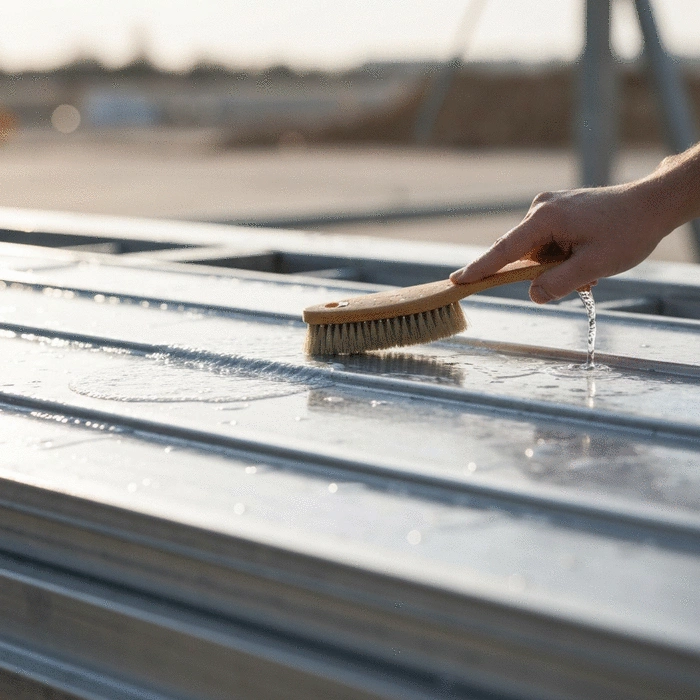
Regular cleaning of aluminium formwork is essential to extend the lifespan of your equipment. When concrete residues are left to harden on the panels, they can lead to corrosion and structural damage over time. By implementing a routine cleaning schedule, you can significantly mitigate these risks. For comprehensive guidance on maintaining such features, the GSA provides technical procedures for the general cleaning of aluminum features.
Remember, taking time to clean panels not only helps in maintaining their strength but also ensures they can be reused multiple times without significant degradation.
When comparing lifespans, aluminium formwork panels generally outperform timber options. While timber can last a few cycles before needing replacement, aluminium panels can endure significantly more uses when properly cared for. This durability translates to lower costs in the long run.
Choosing aluminium not only enhances your project's efficiency but also aligns with sustainable practices by reducing waste. This is a significant advantage that I advocate for through Aluminium Formwork Online.
Maintenance is the backbone of ensuring the durability of aluminium formwork. Regular inspections and cleaning routines play a vital role in identifying issues before they escalate into costly repairs. A well-maintained formwork system contributes to safer construction environments and mitigates downtime. Understanding the different classifications of aluminum cleaners can aid in selecting the appropriate products for optimal maintenance.
By dedicating time and resources to maintenance, you’re investing in the future success of your projects. Trust me, this commitment will pay off in efficiency and quality for years to come!
What do you think about the importance of regular cleaning for aluminium formwork? Share your thoughts below:
At Aluminium Formwork Online, we believe that real-world examples speak volumes. Proper maintenance and cleaning practices have led to remarkable success stories among our clients. These case studies illustrate how regular upkeep can lead to significant cost savings, efficient reuse cycles, and valuable lessons learned from high-profile projects!
Let's dive into some specific cases where dedicated maintenance has made a difference, showcasing the tangible benefits of adopting a rigorous cleaning and care routine for aluminium formwork systems.
In one notable case, a large construction firm implemented a strict cleaning regimen for their aluminium formwork panels. They invested in a routine maintenance schedule that included regular cleaning and inspection. Over a 12-month period, they reported a 30% reduction in replacement costs compared to previous years.
These cost savings not only improved their bottom line but also encouraged them to invest in more advanced cleaning technologies, further extending the lifespan of their formwork systems.
An interesting analysis from a multi-project contractor showed that those who maintained their aluminium formwork regularly achieved an average reuse cycle of 35% longer than those who neglected cleaning. They discovered that panels cleaned after every use held up significantly better and maintained structural integrity.
This trend underscores the importance of regular maintenance as a key factor in achieving greater efficiency and sustainability across multiple construction projects.
In a high-profile project involving a major urban development, the project manager shared valuable insights on the lessons learned regarding maintenance. They emphasized that consistent cleaning and inspection practices not only improved safety but also enhanced the overall project timeline. For instance, best practices in the fenestration industry, such as those outlined in FGIA's AAMA standards for aluminum finishing, often highlight processes that also ensure durability and longevity.
These practices led to a highly successful project completion, demonstrating how investing in maintenance practices yields both qualitative and quantitative benefits.
As we explore the world of aluminium formwork maintenance, many common questions arise. I’ve gathered some frequently asked questions to provide you with insights that could prove invaluable in your own projects!
One of the biggest pitfalls is using abrasive cleaners, which can damage the surface and lead to corrosion. Additionally, neglecting to clean panels immediately after use can result in concrete buildup, making future cleaning labor-intensive.
Regular cleaning using pH-neutral soaps and applying anti-stick coatings can significantly enhance corrosion resistance. Also, storing the panels in a dry environment is crucial to preventing moisture-related issues.
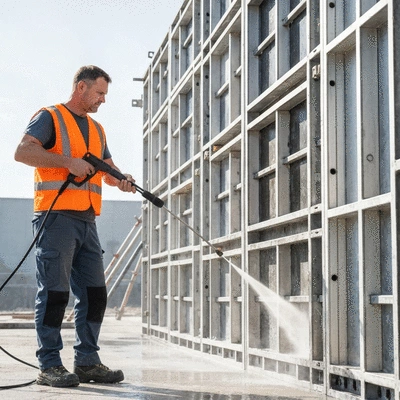
For general concrete stains, a pressure washer paired with mild detergent works wonders. For oil or grease spots, a gentle degreaser or eco-friendly cleaner is your best bet. Always opt for non-abrasive methods to protect the aluminium surface!
Regular cleaning prevents concrete residue buildup, which can lead to corrosion and structural damage, thereby extending the lifespan and reusability of the panels.
Aluminium panels can last up to 300 cycles with proper maintenance, whereas timber options typically last only 10-15 cycles before needing replacement.
Implementing a strict cleaning regimen can lead to a 30% reduction in replacement costs over 12 months, due to less damage, lower disposal costs, and increased rental income from reusable formwork.
Regularly maintained panels achieve an average reuse cycle that is 35% longer. For example, panels might go from 10 uses in a first project to 14 uses after maintenance in a second project.
Abrasive cleaners should be avoided as they can damage the aluminium surface and lead to corrosion. It's best to use pH-neutral soaps and gentle degreasers.
In summary, understanding and implementing regular cleaning and maintenance practices can greatly extend the lifespan of your aluminium formwork panels. By adopting these strategies, you not only improve your project outcomes but also enhance efficiency!
I encourage you to reassess your maintenance strategy and see where improvements can be made. Remember, maintaining your formwork isn’t just about keeping it clean; it’s about ensuring safety, sustainability, and success in your construction projects!
Looking ahead, embracing best practices for formwork technology will continue to evolve and improve our industry standards. Stay ahead of the curve, and let’s build a brighter future together!
Here is a quick recap of the important points discussed in the article:
Proper maintenance of aluminum formwork can signif