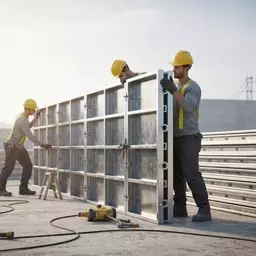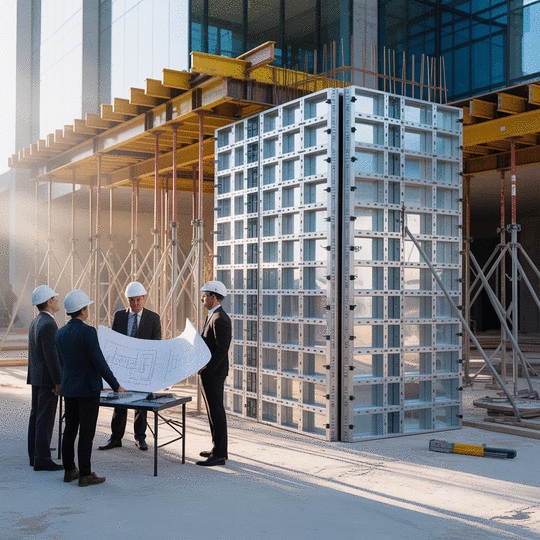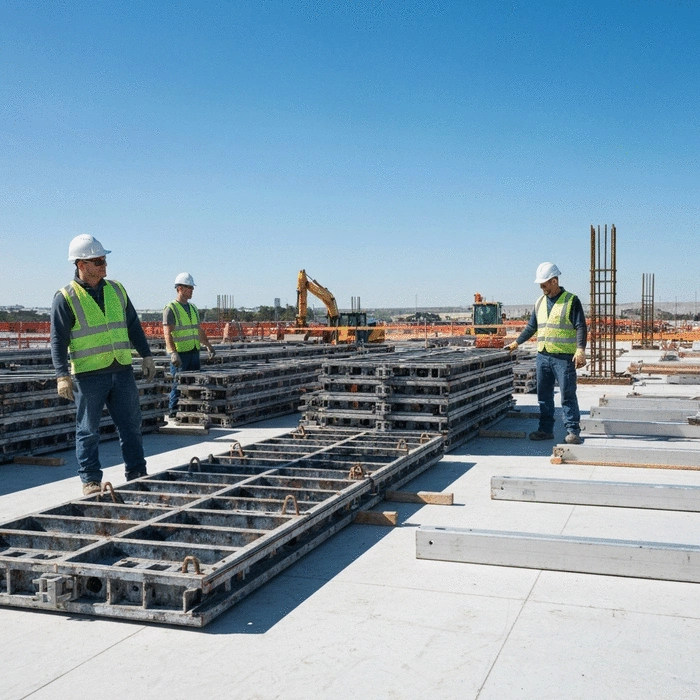
Site Preparation Phase
1
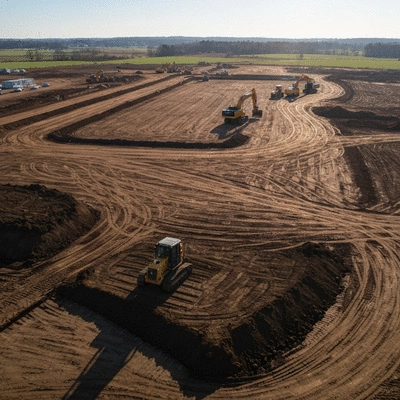
Clear Site: Remove debris and obstacles.
2
Level Ground: Achieve a flat, stable surface.
3
Compact Base: Prevent settling and misalignment.
Unlock expert insights on aluminium formwork systems and concrete casting workflows. Subscribe for cutting-edge technical guidance.
Posted on: 2026-06-05
By: Liam Marston
Effective aluminium formwork installation depends on meticulous site preparation, precise layout, and accurate alignment. The following outlines the critical process flow to ensure project success.
Clear Site: Remove debris and obstacles.
Level Ground: Achieve a flat, stable surface.
Compact Base: Prevent settling and misalignment.
Site Survey & Obstacle ID
Heavy Machinery for Debris
Manual Clearing of Small Items
Hidden Hazard Inspection
Mark Site Boundaries
Soil Testing: Composition, load-bearing
Moisture Content & Curing Impact
Potential Drainage Issues
Effective Drainage System Installation
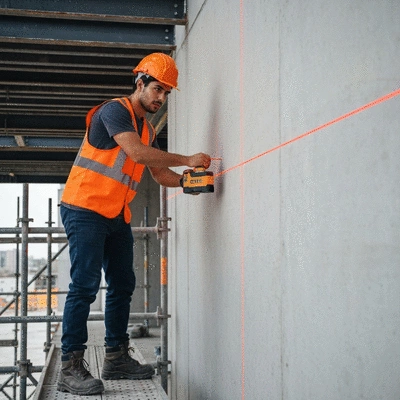
Accurate Marking: Laser & spirit levels.
Site Layout Design: Verify dimensions.
Compliance Check: Cross-reference plans.
Before diving into the installation of aluminium formwork, it's crucial to lay a solid foundation. Proper site preparation sets the stage for a successful project. This means thoroughly clearing the site, leveling the ground, and compacting the base. Each step plays a significant role in ensuring that your formwork will function effectively, leading to faster and safer construction outcomes. For a comprehensive guide on various formwork systems and their applications, you can refer to resources like the ConstructSteel Formwork and Shoring Systems Guide.
When I first started in construction, I quickly learned that ignoring these basics can lead to setbacks. A well-prepared site not only supports the formwork but also minimizes potential issues during the concrete curing process.
Site preparation is the backbone of any construction project. It involves several key elements:
By focusing on these aspects, you’ll create a conducive environment for your aluminium formwork, which is essential for achieving high-quality results.
Now that we understand the basics, let's explore the steps to effectively clear and prepare the construction site:
Following these steps will grant your crew an optimal workspace. Remember, a clean site not only enhances safety but also improves efficiency during the installation process. The OSHA guidelines on formwork offer valuable insights into maintaining a safe and efficient construction environment.
One crucial aspect that often gets overlooked is soil testing. Understanding the soil's composition and load-bearing capacity can significantly impact your formwork's performance. Conducting soil tests can reveal:
Additionally, establishing an effective drainage system is vital. Proper drainage prevents water from accumulating and potentially compromising the integrity of the formwork. By prioritizing soil testing and drainage considerations, you’ll be better equipped to handle the challenges that may arise during the construction process. For more information on bridge construction and formwork practices, the FHWA provides resources on formwork for bridges, which can offer broader context on the importance of groundwork.
Here are some common questions regarding the preparation of construction sites for aluminium formwork installation:
After laying the groundwork, the next phase involves ensuring precision in your layout and alignment. This is where the actual planning and measurement come into play to achieve optimal placement of your aluminium formwork.
Accurate marking of layout lines is essential for the success of your formwork installation. Utilizing tools such as laser levels and spirit levels can help you achieve the precision needed. Consider the following techniques:
These tools will help you avoid common pitfalls and ensure that your formwork is placed correctly, ultimately leading to smoother operations.
Once you've marked your layout, the next step is to verify the dimensions against your structural drawings. This is crucial for maintaining compliance with tolerance standards, as any discrepancies can lead to major issues. Here are some tips:
By dedicating time to verify your layout and dimensions, you're not just following best practices; you're ensuring the integrity of the entire project.
Did you know? Investing time in comprehensive soil testing can save you from potential headaches down the line. Understanding the soil composition not only helps in selecting the right formwork but also prevents costly repairs due to drainage issues or settling. Always prioritize soil analysis before proceeding with your project!
In summary, successful aluminium formwork installation hinges significantly on meticulous site preparation. It's essential to clear the site of any debris and obstacles, ensuring a level and compact base for the formwork systems. When the groundwork is properly laid, it not only facilitates a smoother installation process but also enhances the overall stability of the construction. Remember, taking the time to prepare the site correctly can save substantial time and resources down the line!
Additionally, effective layout and alignment are crucial. By accurately marking and verifying dimensions against structural drawings, you can ensure compliance with all necessary standards. This attention to detail lays the foundation for a successful project, minimizing the risk of costly errors later on.
As you move forward with your construction projects, I encourage you to apply these groundwork and layout tips we've discussed. With a solid understanding of site preparation and commitment to precision in installation, you'll pave the way for successful aluminium formwork outcomes! Have you thought about how these practices could transform your workflow? Don't hesitate to reach out for more insights or assistance in optimizing your processes.
By implementing these strategies, you'll not only enhance safety but also improve the quality and efficiency of your construction projects. Let's build a brighter future together with aluminium formwork systems!
Here is a quick recap of the important points discussed in the article:
Proper maintenance of aluminum formwork can signif