In a rapidly evolving construction landscape, staying ahead means embracing innovation. One such innovation is aluminium formwork—a game-changer that not only accelerates timelines but also enhances quality. Ever wondered how adopting this modern solution could transform your construction projects?
What You Will Learn
Aluminium formwork systems allow for quick assembly and disassembly, boosting project efficiency.
The smooth surface of aluminium reduces finishing costs and time, ensuring high-quality results.
Reusability of aluminium panels can lead to significant cost savings and reduced environmental impact.
Implementing effective logistics for formwork reuse enhances overall construction workflow and safety.
✓**Consistent Quality:** Precision ensures uniformity across structures.
Aluminium Formwork Reuse Potential
150x
Up to **150 times** reuse for panels
✔**Cost Savings:** Significant reduction in material expenses over projects.
✔**Sustainability:** Minimizes waste and conserves resources.
✔**Faster Assembly:** Team familiarity leads to quicker setup.
Understanding Aluminium Formwork and Its Benefits for Construction
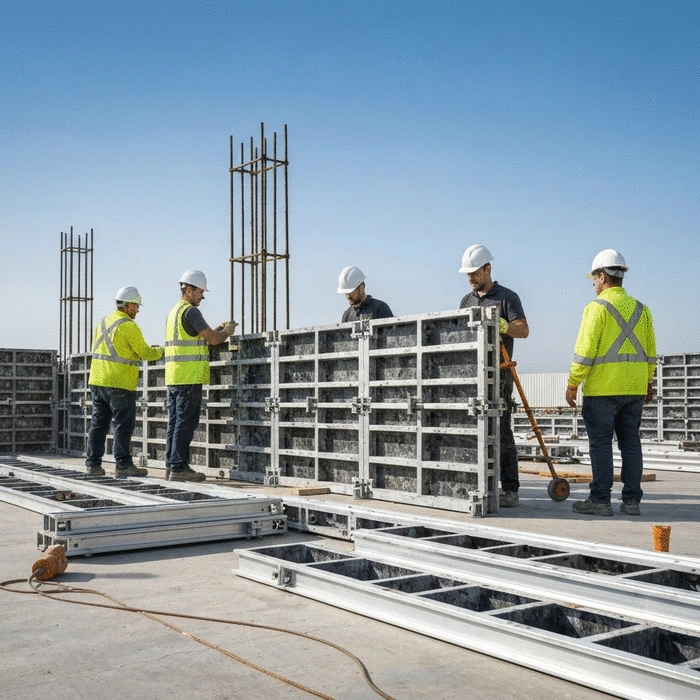
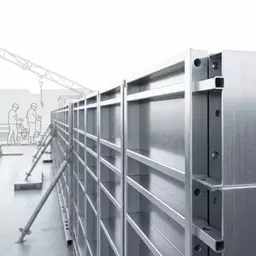
Aluminium formwork is a modern solution that has transformed the construction industry. It consists of pre-fabricated panels made from aluminium, which are designed to create molds for concrete pouring. The systems are engineered to ensure durability while providing versatility in design and structural support. By utilizing aluminium formwork, builders can achieve not only speed but also precision in their projects.
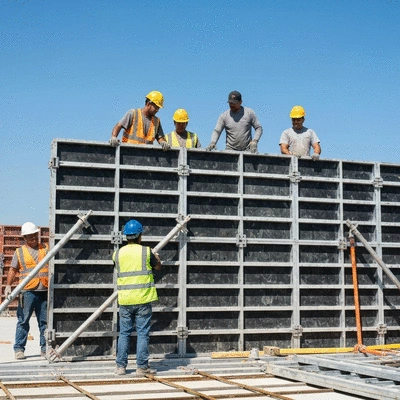
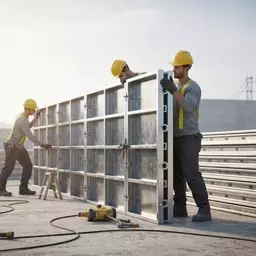
This formwork system works by allowing teams to quickly assemble and disassemble the panels, adapting to various shapes and sizes. One of the significant advantages is the smooth finish of the concrete, which often reduces the need for additional finishing work. Have you ever considered how much time and effort can be saved through this efficient process?
What Is Aluminium Formwork and How Does It Work?
To put it simply, aluminium formwork is an innovative construction method that uses lightweight panels for forming concrete structures. The panels are designed to fit together seamlessly, creating a strong and stable mold for pouring concrete. What sets aluminium apart is its strength-to-weight ratio, which makes it easier to handle and transport, ultimately reducing labor costs.
Ease of assembly: The modular nature of the panels allows for quick setup and breakdown.
Reusable capability: Aluminium forms can be reused multiple times, which makes them a sustainable choice.
High-quality finishes: The smooth surface of aluminium reduces finishing time and costs.
Additionally, the formwork is designed to withstand the pressure of curing concrete, ensuring that the final structure is both durable and visually appealing. By leveraging this technology, construction teams can focus more on the project’s execution rather than on the formwork itself.
Why Choose Aluminium Formwork for Faster Construction Cycles?
One of the primary benefits of aluminium formwork is its significant impact on construction timelines. The ability to construct walls and slabs in a fraction of the time compared to traditional methods is a game-changer. This is particularly vital in today’s competitive construction landscape, where every day counts.
Streamlined processes: Fast assembly means quicker project turnaround times.
Reduced labor costs: Fewer workers are needed for setup and dismantle, cutting down on overall expenses.
Consistent quality: The precision of the panels ensures uniformity across the entire structure.
In my experience, adopting aluminium formwork has enabled teams to meet tight deadlines without compromising quality. It’s a smart choice for contractors looking to enhance their operational efficiency.
Exploring the Role of Aluminium Formwork in Modular Construction
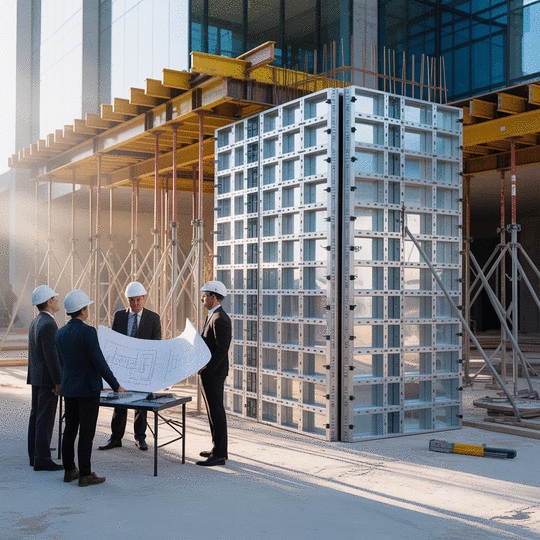
Aluminium formwork plays a crucial role in the modular construction process, where building components are prefabricated off-site. This method allows for simultaneous construction activities, significantly reducing the time required to complete a project. Leveraging modular approaches with aluminium systems can enhance logistics coordination and site management.
Improved site safety: A controlled environment for assembly minimizes risks associated with on-site construction.
Flexibility in design: Modular systems can easily adapt to various architectural requirements.
Scalability: As projects grow, additional modules can be quickly added without disrupting the workflow.
By integrating aluminium formwork into modular construction, builders can create more efficient workflows, ultimately leading to faster completion times and increased client satisfaction. This approach reflects our mission at Aluminium Formwork Online to empower construction professionals with the tools they need for superior project outcomes.
We Want to Hear From You!
What do you think about the efficiency of aluminium formwork in your construction projects? Have you experienced its benefits firsthand? Share your thoughts below:
Maximizing Efficiency with Aluminium Formwork Reuse
When it comes to construction, efficiency is key, and reusing aluminium formwork panels can play a significant role in achieving that goal. At Aluminium Formwork Online, we've seen firsthand how a well-planned reuse strategy not only conserves resources but also enhances project timelines. Let's explore the logistics involved in reusing formwork effectively!
Logistics for Reusing Aluminium Formwork Panels
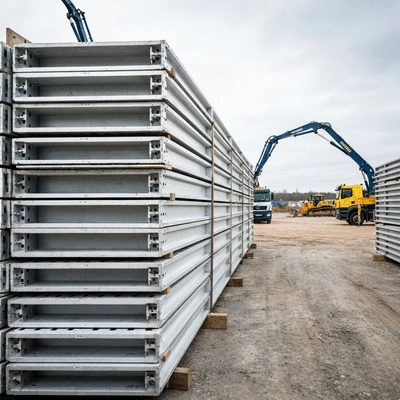
To ensure a smooth process when reusing aluminium formwork panels, it's essential to implement effective logistics. This involves planning how you'll store, transport, and prepare the panels for their next use. Here are some critical logistics aspects to consider:
Storage Solutions: Designate a clean, dry area for storing the panels to prevent damage.
Transport Planning: Organize a reliable transport method to move the panels between sites.
Inspection Protocols: Develop a routine for inspecting panels before reuse to ensure they meet safety standards.
By prioritizing these logistics, you can significantly enhance the efficiency of your construction workflow and reduce delays caused by formwork issues.
Benefits of Reusing Formwork Up to 150 Times
Did you know that aluminium formwork can be reused up to 150 times? This impressive lifespan offers numerous advantages:
Cost Savings: With reduced need for new materials, your overall project costs can drop significantly.
Environmental Impact: Reusing formwork promotes sustainability by minimizing waste and conserving resources.
Faster Assembly: Familiarity with the panels leads to quicker assembly times, ultimately speeding up your project completion.
These benefits not only bolster your bottom line but also contribute to a more sustainable construction practice. Trust me, investing in a reusable formwork system pays off!
Cost Reduction Strategies Through Formwork Reuse
Implementing a successful formwork reuse strategy can lead to substantial cost reductions. Here are some strategies I recommend:
Regular Maintenance: Keep your formwork in top shape to extend its life and reduce the need for replacements.
Standardization: Use standardized panels to simplify the assembly process and minimize waste.
Training Teams: Educate your crew on best practices for using and caring for the formwork, ensuring longevity and efficiency.
By applying these strategies, not only can you save on costs, but you'll also create a smoother workflow for your projects. Remember, every little bit helps, and wise investments in formwork can lead to big returns!
Frequently Asked Questions about Aluminium Formwork
What is aluminium formwork?
Aluminium formwork is a modern construction system made of lightweight, pre-fabricated aluminium panels used to create molds for concrete pouring. It's known for its speed, precision, and reusability.
How does aluminium formwork contribute to faster construction cycles?
Its modular design allows for quick assembly and disassembly, significantly reducing the time needed to build walls and slabs compared to traditional methods. This streamlines processes and reduces labor costs.
What are the main benefits of using aluminium formwork?
Key benefits include speed and precision in construction, ease of assembly, reduced labor requirements due to its lightweight nature, consistent quality across structures, and significant cost savings and environmental benefits through extensive reusability.
How many times can aluminium formwork panels be reused?
Aluminium formwork panels can be reused up to 150 times, offering substantial cost savings and minimizing environmental impact by reducing the need for new materials.
What role does aluminium formwork play in modular construction?
It's crucial for modular construction by facilitating the prefabrication of building components off-site. This improves site safety, offers flexibility in design, and allows for scalability, leading to more efficient workflows and faster project completion.
Recap of Key Points
Here is a quick recap of the important points discussed in the article:
Durability and Versatility: Aluminium formwork systems are designed for durability and can adapt to various shapes and sizes.
Speed and Efficiency: Quick assembly and disassembly of panels significantly reduce construction timelines, making it a preferred choice for modern projects.
Cost-Effectiveness: Reusable aluminium formwork can be utilized up to 150 times, resulting in substantial cost savings and a lower environmental impact.
Quality Finishes: The smooth surfaces of aluminium forms minimize the need for additional finishing work, ensuring high-quality concrete finishes.
Logistics Planning: Effective logistics for storage, transport, and inspection of panels is crucial for maximizing formwork reuse and maintaining project efficiency.
Your go-to resource for mastering aluminium formwork systems. We help builders, contractors, and engineers with technically sound guidance and practical insights for superior project outcomes.
Trusted by industry professionals, our mission is to provide reliable, easy-to-follow insights backed by extensive engineering expertise and modern construction standards.