Every construction site holds its own unique challenges, but prioritizing safety can transform these potential hazards into manageable tasks. By committing to effective aluminium formwork safety protocols, teams can not only protect workers but also enhance project efficiency. Are you ready to elevate your construction safety standards?
What You Will Learn
Understanding the critical role of aluminium formwork safety protocols in preventing workplace accidents.
Key elements of effective safety protocols, including training, inspections, and communication.
The importance of compliance with safety standards and its impact on project reputation and efficiency.
Essential pre-installation safety measures, including damage checks and PPE verification.
How to conduct a thorough risk assessment to identify and mitigate potential hazards before they arise.
Understanding Aluminium Formwork Safety Protocols
Delve into the critical elements that ensure safety and efficiency in aluminium formwork projects, from pre-installation checks to ongoing compliance.
What Are Aluminium Formwork Safety Protocols?
Specific guidelines for managing risks in formwork use, ensuring structural integrity and worker safety.
Proper training for all personnel.
Regular inspection and maintenance.
Clear communication of safety procedures.
Implementation of PPE requirements.
Importance of Compliance with Safety Standards
Fosters a safety culture, protects workers, and ensures high-quality project outcomes.
Prevents accidents and injuries.
Reduces liability and legal issues.
Enhances project reputation.
Role of OSHA and ANSI
Pivotal in shaping and enforcing safety practices in construction.
OSHA enforces regulations.
ANSI provides standards.
Ensures safe workplace conditions.
Pre-Installation Safety Measures
Critical steps to prevent hazards and streamline the construction process before installation.
Thorough Damage Checks and Inspections
Identifies issues that could compromise safety or structural integrity.
Inspect for cracks, dents, wear.
Check locking mechanisms.
Evaluate ties and braces.
Daily Checks for Wear and Tear
Catches potential problems early and fosters a culture of vigilance.
Look for rust/corrosion.
Examine support systems.
Ensure safety gear is working.
Verifying Equipment Integrity & PPE
Ensures all equipment and personal protective gear are in optimal condition.
Hard hats, gloves, boots.
Fall protection gear.
Effective PPE usage.
Risk Assessment Frameworks
Identifies potential hazards and prepares the team for challenges.
Evaluate site conditions.
Identify handling hazards.
Develop mitigation plans.
Understanding Aluminium Formwork Safety Protocols: An Essential Overview
As a construction engineer with years of experience, I've learned that safety protocols for aluminium formwork are not just guidelines—they are essential to ensuring a secure work environment. These protocols provide a comprehensive framework that helps teams prevent accidents and maintain high-quality standards during the construction process. In this section, I’ll outline what these safety protocols entail and why they’re important for all stakeholders involved in construction projects.
Aluminium formwork safety protocols encompass a set of practices and procedures designed to protect workers and ensure structural integrity throughout the construction process. They include guidelines for handling, erecting, and dismantling formwork systems, as well as measures for monitoring safety during concrete pouring and curing. Familiarizing yourself with these protocols can significantly reduce the risk of accidents, making it a priority for anyone involved in construction. For additional information on environmental guidelines related to the aluminum industry, you can refer to resources from the EPA.
What Are Aluminium Formwork Safety Protocols?
Aluminium formwork safety protocols refer to the specific guidelines and standards that govern the use of formwork systems in construction. These protocols are critical because they help in managing risks associated with heavy lifting, structural stability, and worker safety. Key elements of these protocols include:
Proper training for all personnel involved in the handling and installation of formwork
Regular inspection and maintenance of formwork systems to ensure they are in good working condition
Clear communication of safety procedures to all team members
Implementation of personal protective equipment (PPE) requirements
When adhered to diligently, these protocols not only enhance safety but also improve project efficiency by minimizing disruptions caused by accidents or injuries. As we delve deeper into this topic, it's essential to understand the broader implications of compliance with these guidelines.
Importance of Compliance with Safety Standards
Compliance with safety standards is not just about following rules; it’s about fostering a culture of safety that benefits everyone involved in a project. By adhering to established standards, teams can protect their workers, avoid costly delays, and ensure high-quality outcomes. Here are several reasons why compliance is crucial:
Prevention of accidents and injuries on site
Reduction in liability and legal issues for contractors
Enhanced project reputation and client trust
Increased efficiency and reduced downtime due to accidents
By prioritizing compliance, construction professionals can create a safer work environment that ultimately leads to more successful projects. This leads us to consider the governing bodies that play a significant role in establishing these safety protocols.
Role of OSHA and ANSI in Establishing Safety Protocols
The Occupational Safety and Health Administration (OSHA) and the American National Standards Institute (ANSI) are pivotal in shaping safety practices in the construction industry. OSHA sets and enforces regulations that ensure safe working conditions, while ANSI provides the standards that guide the development of safety protocols. Together, they help ensure that:
All construction sites comply with federal safety regulations
Standards are continuously updated to reflect current best practices
Workers have the right to a safe workplace free from recognized hazards
By understanding the roles of these organizations, teams can better align their safety protocols with national standards, ultimately enhancing the effectiveness of their safety measures. At Aluminium Formwork Online, I am committed to promoting these practices, empowering construction professionals to prioritize safety and efficiency in their projects.
We Want to Hear From You!
As we explore the importance of aluminium formwork safety protocols, we’d love to know your thoughts! What safety measures do you prioritize on your construction sites? Share your insights below:
Pre-Installation Safety Measures for Aluminium Formwork
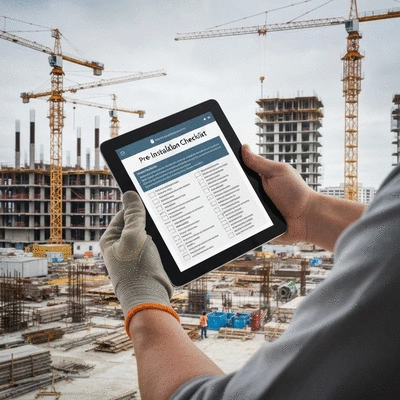
Before diving into the installation of aluminium formwork, it’s vital to implement pre-installation safety measures. These steps not only enhance safety but also streamline the entire construction process. By focusing on thorough inspections and assessments, we can prevent potential hazards before they arise!
In my experience, a proactive approach during the pre-installation phase saves time and resources. Let’s explore the crucial measures to adopt to ensure a safe environment for your team.
Conducting Thorough Damage Checks and Inspections
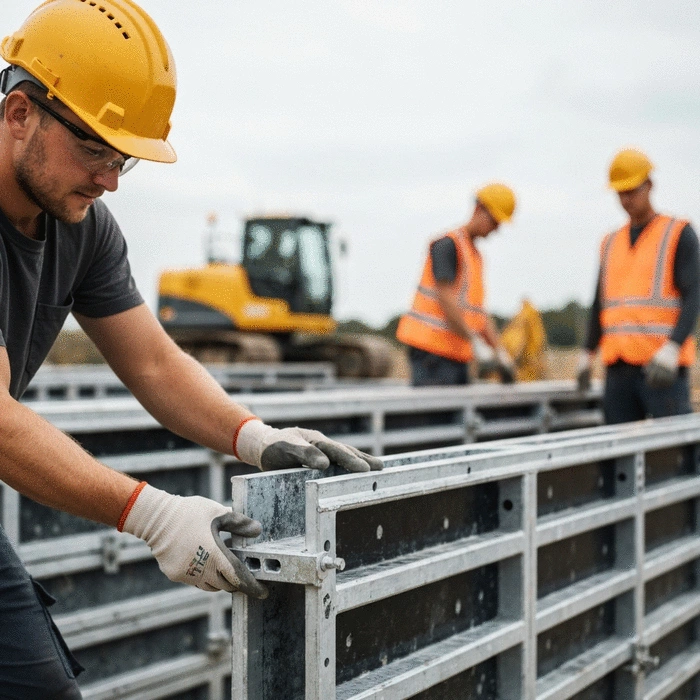
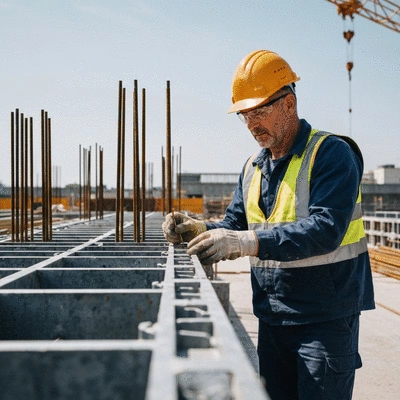
One of the most critical aspects of preparing for aluminium formwork installation is conducting thorough damage checks and inspections. This process helps identify any issues that could compromise safety or structural integrity during construction.
Inspect all components of the formwork system for cracks, dents, or significant wear.
Check for proper functioning of locking mechanisms and components that hold the formwork in place.
Evaluate the condition of accessories like ties and braces that may be necessary for stability.
By taking the time to assess these elements, we can avoid costly delays and ensure that the formwork is ready for installation. Remember, a well-maintained system is crucial for safety!
Daily Checks for Wear and Tear
Implementing daily checks for wear and tear is a best practice I always advocate for. Establish a routine where team members inspect the formwork before each use. This simple habit can catch potential problems early. For more detailed guidance on formwork safety, including daily checks, refer to resources like the IHSA Formwork Safety Guide.
Look for signs of rust or corrosion on aluminium surfaces.
Examine support systems for any signs of fatigue.
Ensure all safety gear related to the formwork is in proper working order.
Making daily inspections a priority fosters a culture of safety within the team. Plus, it helps everyone stay vigilant about potential risks!
Verifying Equipment Integrity & PPE
In addition to inspecting the formwork, it's equally important to verify that all equipment is in optimal condition. Personal Protective Equipment (PPE) plays a crucial role in maintaining safety during the installation process.
Ensure that hard hats, gloves, and steel-toed boots are available and in good shape.
Check the integrity of fall protection gear, such as harnesses and lanyards.
Confirm that workers understand how to use PPE effectively and consistently.
By prioritizing PPE and equipment checks, we minimize the risk of injury on site. Everyone deserves a safe work environment!
Conducting a robust risk assessment is essential for identifying potential hazards related to aluminium formwork installation. This step allows your team to be prepared for any challenges that may arise.
Evaluate the site conditions, including ground stability and environmental factors.
Identify possible hazards related to equipment and material handling.
Develop a plan to address any identified risks, including training and resource allocation.
Engaging in a thorough risk assessment creates a safer project environment. It empowers teams to proactively manage challenges, ensuring that safety remains a top priority!
Frequently Asked Questions (FAQs)
What are aluminium formwork safety protocols?
These are specific guidelines and standards that govern the safe use of aluminium formwork systems in construction, covering handling, erection, dismantling, and monitoring during concrete pouring and curing to protect workers and maintain structural integrity.
Why is compliance with safety standards important for aluminium formwork?
Compliance fosters a safety culture, prevents accidents and injuries, reduces legal liabilities, enhances project reputation, and improves overall project efficiency by minimizing disruptions.
What roles do OSHA and ANSI play in formwork safety?
OSHA (Occupational Safety and Health Administration) enforces regulations to ensure safe working conditions, while ANSI (American National Standards Institute) provides the standards that guide the development of safety protocols in the construction industry.
What pre-installation safety measures should be taken for aluminium formwork?
Key measures include conducting thorough damage checks and inspections of all formwork components, implementing daily checks for wear and tear, verifying equipment integrity, and ensuring proper use of Personal Protective Equipment (PPE).
How does risk assessment contribute to aluminium formwork safety?
Risk assessment frameworks help identify potential hazards related to site conditions, equipment, and material handling before they arise. This enables teams to develop mitigation plans and allocate resources for training, ensuring a safer project environment.
Recap of Key Points
Here is a quick recap of the important points discussed in the article:
Aluminium formwork safety protocols are essential for preventing accidents and ensuring a secure work environment.
Key elements of safety protocols include proper training, regular inspections, clear communication, and PPE requirements.
Compliance with safety standards fosters a culture of safety, reduces liability, and enhances project efficiency.
Daily checks for wear and tear, along with thorough inspections, are critical for maintaining formwork integrity.
Engaging in risk assessments helps identify potential hazards and prepares teams for challenges during installation.
Your go-to resource for mastering aluminium formwork systems. We help builders, contractors, and engineers with technically sound guidance and practical insights for superior project outcomes.
Trusted by industry professionals, our mission is to provide reliable, easy-to-follow insights backed by extensive engineering expertise and modern construction standards.