Aluminium Formwork Installation Troubleshooting Tips
Posted on: 2026-03-16
By: Liam Marston
Have you ever considered how crucial the installation of aluminum formwork is to the success of a construction project? The right techniques can not only save time but also ensure safety and structural integrity. Let’s explore the essential insights that can enhance your installation practices.
What You Will Learn
- Aluminum formwork promotes efficient workflows due to its lightweight nature and quick assembly.
- Common installation challenges include misalignment of panels and inadequate site preparation; recognizing these can prevent costly delays.
- Proactive measures, such as thorough pre-installation inspections, are critical for successful installation outcomes.
- Adhering to safety protocols and building codes ensures compliance and protects project integrity.
Aluminum Formwork Installation: Challenges and Proactive Measures
Understanding and addressing the key challenges in aluminum formwork installation is crucial for efficient and high-quality construction projects. This visual outlines common issues and essential proactive steps.
Common Installation Challenges
- • Improper panel alignment
- • Insufficient site preparation
- • Inadequate crew training
- • Fastener integrity issues
Proactive Prevention Measures
- • Thorough pre-installation inspections
- • Effective site preparation
- • Bracing techniques for stability
- • Continuous workforce training
Troubleshooting Aluminum Formwork Installation Issues: Understanding the Essentials
When it comes to construction, having a solid grasp of aluminum formwork is essential for any builder or contractor. These systems are not just about creating molds for concrete; they play a crucial role in achieving efficient workflows and high-quality outputs. At Aluminium Formwork Online, we believe understanding their importance lays the foundation for successful projects. So, let's dive into what aluminum formwork is and why it matters in construction.
Defining Aluminum Formwork and Its Importance in Construction
Aluminum formwork is a modern formwork system that allows for the casting of concrete structures with precision and speed. Its lightweight nature not only reduces labor costs but also accelerates the construction process. With over a decade in the field, I’ve seen firsthand how these systems can transform a project—making it faster and more efficient while ensuring safety and structural integrity.
- Efficient assembly and disassembly, minimizing downtime.
- Enhanced safety features, reducing the risk of accidents on site.
- Durability that supports multiple uses, leading to cost savings.
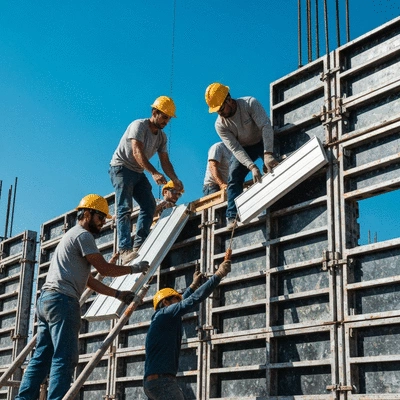
These advantages highlight why aluminum formwork has become a preferred choice in many modern construction projects. However, to leverage these benefits, understanding and addressing installation challenges is vital.
Recognizing Common Installation Challenges
Even with the best systems, installation challenges can arise. Recognizing these issues early can save both time and money. Some common problems include misalignment of panels, inappropriate fastening, and inadequate site preparation. Identifying these challenges will help you tackle them proactively, preventing costly delays down the line.
On-Site Challenges: Identifying Key Installation Issues
Installation issues often arise on-site due to various factors. Here are some key challenges I’ve encountered:
- Improper alignment of formwork panels leading to structural weaknesses.
- Insufficient site preparation, resulting in uneven surfaces.
- Inadequate training of crew members on installation techniques.
By being aware of these challenges, you can implement effective strategies to mitigate them and ensure a smoother installation process.
Proactive Measures for Preventing Installation Issues
Preventing installation issues before they occur is always the best approach. Proactive measures can save your team from headaches later on. Here, I'll outline essential steps that I believe are critical for a successful installation.
- Conducting thorough pre-installation inspections.
- Ensuring fastener integrity and proper alignment.
- Preparing the site effectively to accommodate the formwork system.
These measures set the stage for a seamless installation process, allowing your team to work efficiently and achieve better results.
Conducting Thorough Pre-Installation Inspections
Before beginning any installation, it’s crucial to conduct thorough pre-installation inspections. This ensures that everything is in order and ready for the upcoming work. Here are some key components of these inspections:
Checklist for Damage Checks and Alignment
A comprehensive checklist that focuses on checking for damage and alignment can streamline your inspection process:
- Inspect all panels for dents, scratches, or signs of wear.
- Ensure correct alignment of panels before installation.
- Verify that all components, including fasteners, are in good condition.
By addressing these aspects during inspections, you can avoid potential complications that may arise during installation.
Importance of Fastener Integrity
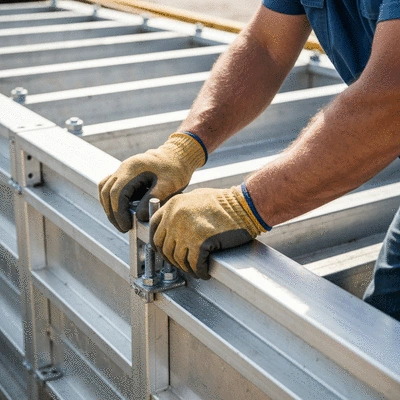
Fasteners are the backbone of any formwork system. Their integrity ensures that the entire structure remains stable during the concrete casting process. Regularly check that all fasteners are secure and of high quality. This step cannot be overlooked—an unstable formwork can lead to catastrophic failures! For detailed guidance, consult resources like the GETO Aluminium Formwork User Manual, which provides comprehensive information on proper fastener usage and maintenance.
Site Preparation for Optimal Installation Success
Lastly, proper site preparation plays a significant role in the success of your installation. Ensure the ground is level and adequately compacted. Any irregularities can lead to misalignment and structural issues later on. Taking the time to prepare your site can save you significant time and resources down the road. Further insights on effective site preparation can be found in various construction guidelines, including documents like the GETO Aluminium Formwork User Manual. For a broader understanding of formwork practices, a general Formwork Guide offers valuable context.
Essential Do’s and Don’ts for Safe Installation
To achieve a successful formwork installation, it’s helpful to follow some essential do’s and don’ts. These guidelines can help keep your team safe and your project on track.
- Do: Use bracing techniques to enhance stability.
- Don’t: Ignore load-bearing requirements; always consult your engineering team.
- Do: Adhere to building codes and compliance standards to avoid legal issues.
Following these practices not only ensures safety but also aligns with best practices in construction, promoting overall project success.
Bracing Techniques to Enhance Stability
Using appropriate bracing techniques can drastically enhance the stability of your formwork. Ensure that braces are installed correctly and checked regularly, especially before pouring concrete. This simple precaution can prevent misalignment and structural failures.
Understanding Load-Bearing Requirements
Understanding the load-bearing requirements of your formwork is essential. Each formwork system has unique specifications that must be adhered to—neglecting these can lead to serious issues. Engage with your engineering team to ensure that everyone is on the same page!
Adhering to Building Codes and Compliance Standards
Finally, always ensure adherence to building codes and compliance standards. This not only protects the integrity of your project but also safeguards your team and stakeholders.
Frequently Asked Questions About Aluminum Formwork Installation
What are the primary benefits of using aluminum formwork?
Aluminum formwork offers several key benefits, including efficient assembly and disassembly, reduced labor costs due to its lightweight nature, enhanced safety features, and durability that allows for multiple uses, leading to significant cost savings on projects.
What are some common challenges encountered during aluminum formwork installation?
Common challenges include improper panel alignment, insufficient site preparation, inadequate training of crew members, and issues with fastener integrity. Recognizing these early can prevent costly delays and structural problems.
How can installation issues be proactively prevented?
Proactive prevention measures include conducting thorough pre-installation inspections (checking for damage and proper alignment), ensuring the integrity of all fasteners, and meticulous site preparation to create a level and compacted surface. Continuous workforce training also plays a crucial role.
Why is fastener integrity so important in formwork installation?
Fasteners are critical for the stability of the entire formwork structure during the concrete casting process. Secure and high-quality fasteners prevent structural weaknesses and potential catastrophic failures, ensuring the safety and integrity of the construction.
What role does site preparation play in successful formwork installation?
Proper site preparation, including ensuring the ground is level and adequately compacted, is essential for optimal installation success. It prevents misalignment and structural issues that can arise from uneven surfaces, saving time and resources in the long run.
Pro Tip
To further enhance the efficiency of your aluminum formwork installation, consider implementing a digital project management tool. These platforms can help you track progress, manage resources, and communicate effectively with your team in real time. This proactive approach not only minimizes misunderstandings but also keeps your project on schedule and within budget.
Summarizing Key Takeaways for Successful Aluminum Formwork Installation
As we wrap up our discussion on aluminum formwork installation, it’s vital to emphasize the importance of proper planning and execution. Adopting a proactive approach not only mitigates potential issues but also sets the foundation for a smoother workflow. By understanding the nuances of formwork systems and their installation, you can significantly enhance the quality and efficiency of your projects.
One of the key insights I've gathered over the years in my experience as a construction engineer is that a well-prepared team is a successful team. This preparation involves extensive pre-installation checks and aligning your project goals with the capabilities of your formwork system. Here are some important takeaways to keep in mind:
- Conduct thorough pre-installation inspections to identify and address potential issues.
- Establish a robust communication strategy among team members to ensure everyone is on the same page.
- Adhere strictly to safety protocols and building codes for compliance.
- Invest in training your workforce on the latest installation techniques.
Encouraging Continuous Learning and Adaptation in Formwork Practices
Continuous learning is a fundamental aspect of successful aluminum formwork installation. The construction industry is always evolving, and so should your practices! Regularly updating your knowledge not only enhances your skills but also helps your team adapt to new challenges.
At Aluminium Formwork Online, we are committed to empowering our readers with the knowledge they need. One effective way to promote growth is through workforce training. By investing in your team’s education, you can ensure they are well-equipped to handle any installation challenges with confidence.
Workforce Training for Enhanced Installation Techniques
Training your workforce can dramatically improve installation outcomes. Consider implementing the following strategies:
- Workshops focused on hands-on experience with formwork systems.
- Regular safety drills to reinforce proper installation techniques.
- Mentorship programs pairing seasoned professionals with new team members.
- Access to online resources and guides for continuous learning.
Call to Action: Engage with Our Resources for Further Insights
Invite Readers to Share Their Experiences and Troubleshooting Tips
Now that you have a wealth of information at your fingertips, I encourage you to share your experiences and any troubleshooting tips you've encountered while working with aluminum formwork. Engaging with fellow professionals not only fosters a sense of community but also enriches our collective knowledge.
Explore Additional Guides and Tools for Enhanced Installation Practices
Don’t forget to explore additional guides and tools available at Aluminium Formwork Online. From detailed articles to practical checklists, we have a variety of resources designed to support your installation practices. Together, let’s achieve faster, safer, and higher-quality construction outcomes!
Recap of Key Points
Here is a quick recap of the important points discussed in the article:
- Understand the importance of aluminum formwork for efficient workflows and high-quality outputs in construction.
- Recognize common installation challenges such as misalignment, insufficient site preparation, and inadequate training.
- Implement proactive measures, including thorough pre-installation inspections and ensuring fastener integrity.
- Follow essential do’s and don’ts for safe installation, such as using bracing techniques and adhering to building codes.
- Encourage continuous learning and workforce training to adapt to evolving construction practices.
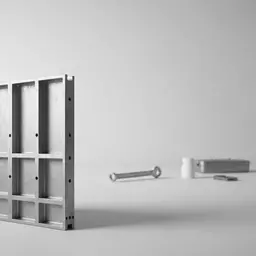 Proper maintenance of aluminum formwork can significantly impact project success. As construction pr
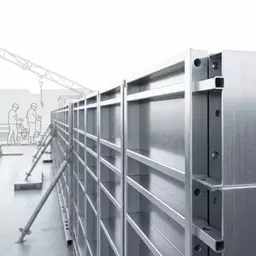 Have you ever considered how a simple choice in construction materials can transform your project’
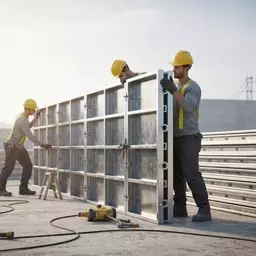 In today’s rapidly evolving construction landscape, embracing innovative solutions is no longer op