Timber Formwork
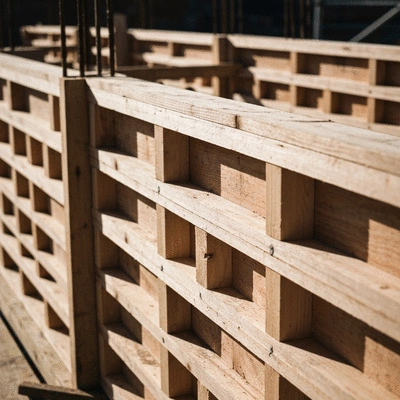
- Benefits: Cost-effective, easy to shape, readily available.
- Drawbacks: Less durable, warps, limited reuse.
Unlock expert insights on aluminium formwork systems and concrete casting workflows. Subscribe for cutting-edge technical guidance.
Posted on: 2025-12-20
By: Liam Marston
What if the success of your construction project hinged on the formwork you choose? Understanding the nuances of concrete formwork can dramatically influence both the efficiency and quality of your builds.
This visual outlines the key characteristics, benefits, and drawbacks of different concrete formwork materials. It helps in understanding which type might be most suitable for various construction needs.
Concrete formwork is a temporary or permanent mold that holds liquid concrete in place until it hardens. Its role in construction projects is pivotal, as it shapes and supports the concrete during the curing process. Without effective formwork systems, the integrity and final shape of the structure can be compromised, potentially leading to costly delays.
At Aluminium Formwork Online, we understand that choosing the right formwork system is fundamental to achieving high-quality results. Have you ever thought about how the formwork influences not only the aesthetics but also the durability of your project? It’s fascinating how this crucial component sets the stage for the entire construction process!
In essence, concrete formwork serves as a framework to define the shape of the concrete being poured. It can be made from various materials including timber, steel, and aluminum, each offering unique advantages. The importance of formwork extends beyond merely holding concrete; it ensures that the poured material maintains the desired shape and structural integrity throughout the curing process. For comprehensive guidelines on formwork design and construction, refer to ACI-347.
Understanding these roles helps builders and contractors appreciate the critical nature of selecting the right formwork for their specific needs. By prioritizing quality formwork, you set your project up for success from the very beginning!
Formwork systems serve multiple objectives within construction projects, primarily ensuring that poured concrete achieves the desired structural forms. One of the key functionalities is to provide the necessary support and stabilization during the curing period. Without the right support, there’s a risk of deformation or collapse before the concrete has set properly. For detailed safety regulations concerning concrete and masonry construction, including formwork, consult OSHA regulations 1926.703.
As professionals in the field, we at Aluminium Formwork Online know that understanding these purposes can enhance decision-making when it comes to selecting a formwork system. Have you considered how the efficiency of your construction workflow can be improved through optimized formwork solutions?
Timber formwork is one of the oldest methods used in construction. While it is often seen as cost-effective, it also comes with its own set of advantages and disadvantages. Timber is readily available and easy to work with, making it a popular choice for many smaller projects.
Choosing timber formwork can be ideal for specific applications, especially for smaller structures or projects where budget constraints are a concern. However, it’s crucial to weigh these factors against the project’s long-term needs.
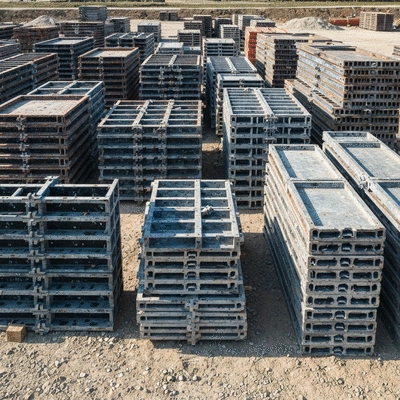
Steel formwork is known for its strength and longevity. This type of formwork is perfect for large-scale projects that demand durability and reusability. With a robust structure, steel can handle heavy loads, making it suitable for complex designs.
By investing in steel formwork, you can significantly reduce the overall project timeline while ensuring quality and safety. It’s a smart choice for contractors aiming for efficiency in their workflows!
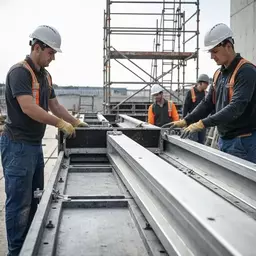
Aluminum formwork stands out due to its lightweight nature and ease of installation. It provides excellent thermal insulation and is often preferred for projects needing quick assembly and disassembly.
This innovation in formwork technology has the potential to revolutionize the way construction projects are carried out, making them faster and more efficient. Have you considered how aluminum formwork could benefit your next project?
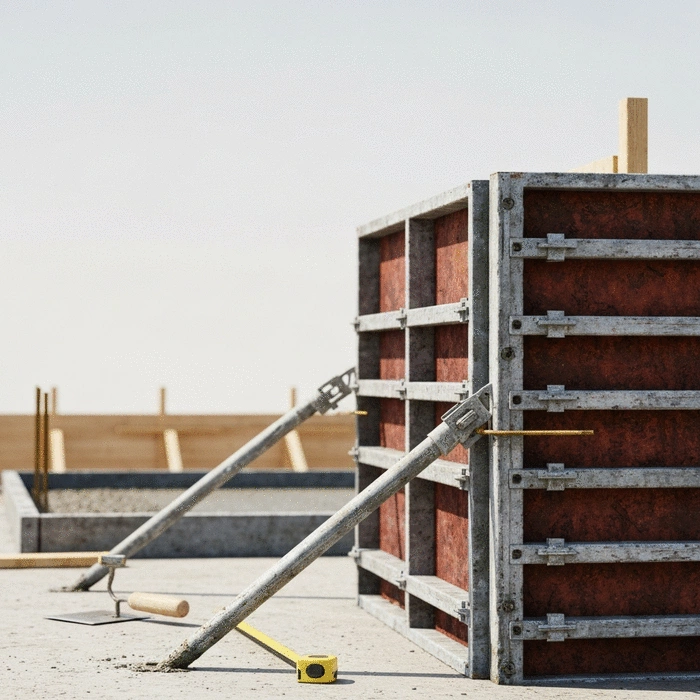
Modular formwork systems are gaining popularity due to their flexibility and customization options. These systems are designed to adapt to various project requirements, allowing for efficient adaptations on-site.
As construction demands continue to evolve, modular formwork systems offer a practical solution that aligns well with modern practices. It’s an exciting trend that I believe will shape the future of construction!
Different types of specialized formwork, such as slab, wall, and column formwork, have specific applications suited for various construction needs. Each type brings unique benefits that cater to the structure being built.
Understanding the capabilities of these specialized formwork types can help construction professionals optimize their project workflows and achieve superior results!
Did you know? Choosing the right formwork can significantly impact not only the safety and quality of your structure but also the overall efficiency of your project. For instance, utilizing aluminum formwork can reduce assembly time by up to 30%, allowing for faster project completion and lower labor costs. Always assess your project requirements and consider how different formwork options can streamline your workflow!
In wrapping up our comprehensive guide on concrete formwork, it’s clear that choosing the right formwork type is fundamental to the success of your construction project. Each formwork system—whether it’s timber, steel, aluminum, or modular—comes with its unique benefits and considerations. Recognizing these differences allows you to optimize your workflow, ensuring superior results in both time and cost management. For further insights into the proper handling and installation of formwork, including safety procedures, you can check out details from the University of Houston's Division 03 document.
As we’ve discussed, the right formwork system not only shapes the concrete but also plays a critical role in enhancing safety and quality. Remember that factors such as project scale, budget, and specific requirements should guide your decision. Engaging with your engineering team early on can provide valuable insights that lead to better outcomes.
In summary, understanding the characteristics and advantages of each formwork type can significantly impact your project’s productivity and outcome. Make your choice wisely to enhance efficiency and safety on-site!
Now that you’re equipped with a wealth of information on concrete formwork, it's time to take action! One great step is to download our comprehensive formwork inspection and stripping checklist. This handy tool will help you ensure that every aspect of your formwork system is accounted for and functioning optimally.
Additionally, consider reaching out to local suppliers to explore the best formwork options available in your area. Establishing a connection with trusted providers can streamline the process and ensure you're getting quality materials. Here are some resources to get you started:
Taking these steps will set you on the right path toward effective formwork management and project success!
If you’re looking for personalized guidance regarding your formwork needs, don’t hesitate to reach out! At Aluminium Formwork Online, I’m here to help builders, contractors, and engineers navigate the complexities of formwork systems. Whether you have specific questions or need assistance with your project, I’m just a message away!
Let’s work together to achieve safer, faster, and higher-quality construction outcomes!
Here is a quick recap of the important points discussed in the article: