Understanding Modular Aluminium Formwork
Posted on: 2026-06-25
By: Liam Marston
What if you could reduce your construction time significantly while ensuring high-quality finishes? Modular aluminium formwork is transforming the landscape of building projects by offering a blend of efficiency and precision. Let's explore the key insights that can help you harness its full potential.
What You Will Learn
- Modular aluminium formwork improves construction speed, allowing for quicker assembly and concrete pouring.
- Utilizing reusable panels leads to significant cost savings over multiple projects.
- The precision of aluminium formwork guarantees high-quality finishes, reducing the need for post-construction repairs.
- Streamlined project management through reduced waste and better coordination among trades enhances overall productivity.
- Analyzing cost-per-square-meter reveals long-term financial benefits, particularly with regard to durability and reuse.
- Effective labour cost savings come from quick assembly and reduced need for highly skilled workers.
Advantages of Modular Aluminium Formwork
Modular aluminium formwork offers significant advantages over traditional systems, enhancing construction speed, cost-efficiency, and project management. The visual highlights key benefits and cost considerations.
Key Advantages
Cost-Per-Square-Meter Analysis
Modular vs. Traditional Formwork
- ✓ Higher upfront material cost, offset by durability
- ✓ Lower installation time & labor costs
- ✓ Reusable over multiple projects
- ✓ Reduced waste through precision
Financial Benefits
Long-Term Return on Investment
- ✦ Extended lifespan enables multi-project use
- ✦ Reduced material waste saves repurchase costs
- ✦ Substantial resale value of aluminium formwork
- ✦ Contributes to sustainable construction
Process Optimization
Labour Cost Savings
- ⚙️ Quicker assembly reduces labour hours
- ⚙️ Less skilled labour often required
- ⚙️ Precision designs minimize costly errors
- ⚙️ Enhanced workflow for maximum profitability
Understanding Modular Aluminium Formwork and Its Benefits
When it comes to modern construction, modular aluminium formwork is often a game changer. This innovative system offers a flexible and efficient way to form concrete structures, enhancing both the speed and safety of construction projects. In this section, we’ll explore what modular aluminium formwork is, its key benefits, and how it can streamline your project management processes.
What is Modular Aluminium Formwork?
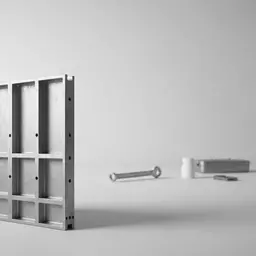
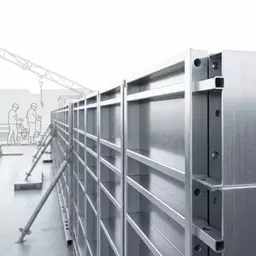
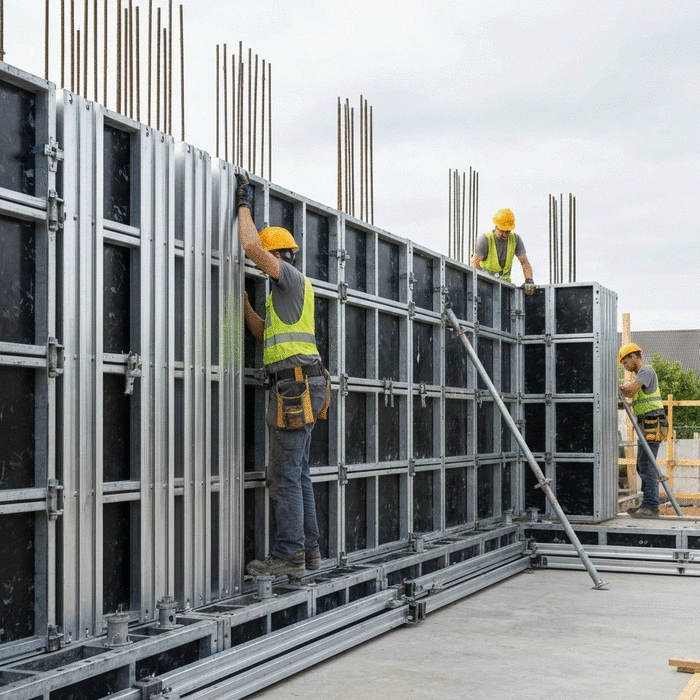
Modular aluminium formwork consists of reusable panels and components designed to create concrete structures with precision and ease. Made from lightweight yet strong aluminium, these systems can be easily assembled and disassembled, making them ideal for various construction projects. Unlike traditional systems, modular aluminium formwork is specifically engineered for quick adjustments and customization, allowing builders to adapt to different architectural requirements.
By leveraging the benefits of modular systems, contractors can significantly reduce the time spent on formwork setup and teardown. This adaptability means that teams can respond rapidly to design changes, enhancing overall project efficiency. For more information on such systems, you can refer to sources like Jalite Forms.
Key Advantages of Using Aluminium Formwork Systems
- Speed of Construction: Modular aluminium formwork reduces assembly time, allowing for faster concrete pouring and curing.
- Cost Efficiency: With reusable panels and components, you can save on material costs over multiple projects.
- Precision Engineering: The accuracy of aluminium systems ensures high-quality finishes and minimizes the need for extensive post-construction repairs.
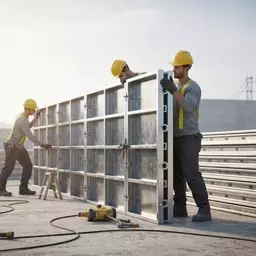
- Lightweight and Easy to Handle: The reduced weight of aluminium formwork makes it easier for teams to transport and install on-site.
These advantages not only speed up construction timelines but also contribute to improved project budgets, making modular aluminium formwork an increasingly popular choice among builders and contractors.
How Modular Construction Enhances Project Management and Efficiency
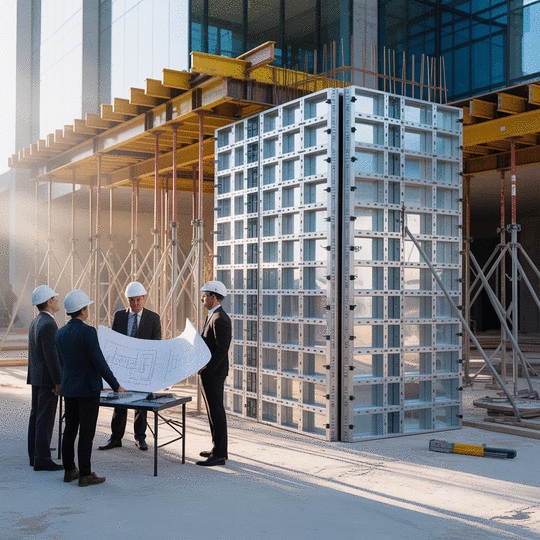
Implementing aluminium formwork systems can transform project management. With the ability to streamline workflows and reduce waste, construction teams can focus on delivering quality work on time. For example, using modular systems can help in planning assembly sequences that minimize downtime and enhance overall productivity.
Additionally, better coordination between different trades becomes possible when you use a consistent system like aluminium formwork. It allows for clearer communication and expectations, leading to less confusion on-site and a smoother workflow. Have you considered how this might impact your projects?
Pro Tip
Did you know? Utilizing modular aluminium formwork not only speeds up construction but also enhances safety on site. The lightweight nature of these systems reduces the risk of injury during assembly and disassembly, making it a safer choice for your team. Consider incorporating safety training sessions focused on the unique handling techniques required for these systems to further optimize your project’s safety protocols!
Evaluating the Cost-Efficiency of Modular Aluminium Formwork
When considering modular aluminium formwork for your construction projects, understanding the cost-efficiency is vital. I've seen firsthand how these systems can impact your budget, from initial investments to long-term savings. In this section, we’ll dig into the specifics of cost-per-square-meter analysis, the long-term return on investment, and the significant labour cost savings that come with efficient construction practices.
Cost-Per-Square-Meter Analysis: Modular vs. Traditional Formwork
To accurately assess the cost-effectiveness of modular aluminium formwork, we need to compare it against traditional formwork systems. Here's a breakdown of key considerations:
- Material Costs: While the upfront cost of aluminium formwork can be higher, its durability often outweighs initial expenses.
- Installation Time: Modular systems can be assembled quickly, leading to lower labour costs during setup.
- Long-Term Use: Unlike traditional wood forms, aluminium can be reused multiple times, distributing costs over many projects.
- Waste Reduction: The precision of modular systems results in less waste, further enhancing overall cost savings.
When you analyze these factors, you'll find that while the initial investment may seem steep, the cost-per-square-meter can favor aluminium in the long run due to its efficiency and durability. For a deeper dive into materials and their impact on construction costs, exploring resources like Jalite Forms can be highly beneficial.
Long-Term ROI: Understanding the Financial Benefits of Reuse
One of the standout benefits of using aluminium formwork is its potential for reuse. Over time, this can lead to significant financial savings. Let's explore why:
- Extended Lifespan: Aluminium formwork is designed to last, which means you can use it for multiple projects without needing replacements.
- Reduced Material Waste: Using durable materials reduces the need for frequent repurchases, saving money and minimizing environmental impact.
- High Resale Value: If you decide to sell your formwork after several uses, its resale value can be substantial compared to other materials.
This approach to formwork not only enhances your bottom line but also contributes to a more sustainable construction process. It’s rewarding to see how embracing modular systems can transform project costs over time!
Labour Cost Savings Through Efficient Construction Practices
Labour costs often make up a significant portion of any construction budget. With modular aluminium formwork, you can streamline your processes and enjoy robust savings. Here are a few ways it works:
- Quick Assembly: The lightweight nature of aluminium allows for faster installation compared to traditional methods, reducing labour hours.
- Less Skilled Labour Required: Modular systems can often be assembled by less experienced workers, allowing you to allocate skilled labour where it’s most needed.
- Minimized Errors: The precision of modular designs helps to reduce the chance of costly mistakes during installation.
By focusing on these efficient practices, you can better manage your labour expenses and significantly improve project timelines. It’s all about optimizing your workflow for maximum profitability! For more insights into efficient construction, platforms like Jalite Forms provide valuable information.
Frequently Asked Questions About Modular Aluminium Formwork
Here are some common questions about modular aluminium formwork:
- What is modular aluminium formwork?
Modular aluminium formwork is a reusable system of lightweight, strong aluminium panels and components used to create concrete structures efficiently and precisely. It's designed for quick assembly, disassembly, and adaptation to various architectural designs. - What are the main advantages of using modular aluminium formwork?
The key advantages include faster construction speeds due to quicker assembly, significant cost efficiency from reusable panels, high-quality finishes due to precision engineering, and the ease of handling due to its lightweight nature. - How does aluminium formwork contribute to cost savings?
It saves costs through lower installation time, reduced labour requirements, reusability across multiple projects, minimized material waste, and a high resale value, which collectively contribute to a lower cost-per-square-meter over the long term. - Does modular aluminium formwork require skilled labour?
While some expertise is always beneficial, modular systems are generally designed for easier assembly, often requiring less highly skilled labour compared to traditional formwork, which can lead to further labour cost savings. - How does aluminium formwork impact project management?
It enhances project management by streamlining workflows, reducing on-site waste, improving coordination between trades, and allowing for rapid adaptation to design changes, thus increasing overall project efficiency and productivity. - Is modular aluminium formwork environmentally friendly?
Yes, its durability and reusability significantly reduce material waste, contributing to more sustainable construction practices and a lower environmental impact compared to single-use formwork materials.
Recap of Key Points
Here is a quick recap of the important points discussed in the article:
- Modular Aluminium Formwork: A flexible and reusable system that enhances construction efficiency.
- Key Advantages: Speed of construction, cost efficiency, precision engineering, and lightweight handling.
- Project Management Enhancement: Streamlined workflows and reduced waste lead to improved productivity.
- Cost-Efficiency: Long-term savings through material reuse and lower installation costs.
- Labour Savings: Reduced labour hours and minimized errors due to the ease of use and quick assembly.
Proper maintenance of aluminum formwork can significantly impact project success. As construction pr
Have you ever considered how a simple choice in construction materials can transform your project’
In today’s rapidly evolving construction landscape, embracing innovative solutions is no longer op