Understanding Lightweight Formwork Solutions
Posted on: 2026-06-25
By: Liam Marston
In today's competitive construction landscape, the right materials can make all the difference. Have you ever considered how lightweight formwork could revolutionize your projects?
What You Will Learn
- Lightweight formwork simplifies construction with materials that are easier to transport and install.
- Using lightweight materials like aluminum and high-density plastics enhances project efficiency and reduces labor risks.
- The adaptability of lightweight formwork allows for its use in various projects, from residential buildings to large infrastructure developments.
- Sustainable practices in lightweight formwork minimize environmental impact and can lead to cost savings through recyclability and energy efficiency.
Key Advantages and Sustainable Options of Lightweight Formwork
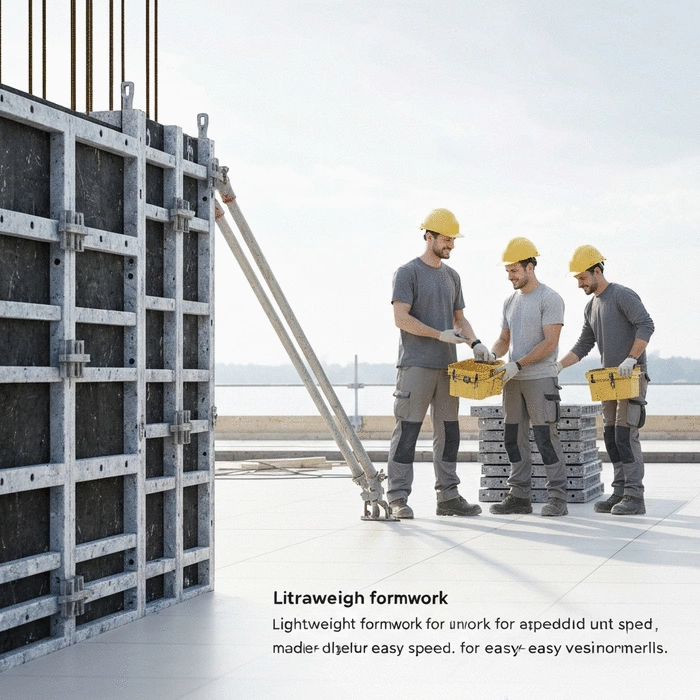
Lightweight formwork offers significant benefits in modern construction, from enhancing efficiency to promoting sustainability. The visual below highlights these key advantages and sustainable considerations.
Key Advantages
- Speed of Assembly: Faster installation times reduce project duration.
- Reduced Weight: Minimizes manual labor and injury risks.
- Cost-Effectiveness: Lowers transportation and handling expenses.
- Construction Efficiency: Streamlined processes boost productivity.
Sustainable Options
- Recyclable Materials: Systems designed for reuse and recycling.
- Lower Energy Consumption: Reduces energy during transport and installation.
- Green Certifications: Meets or exceeds environmental standards.
- Minimized Carbon Footprint: Reduces environmental impact over project lifecycle.
Understanding Lightweight Formwork and Its Applications
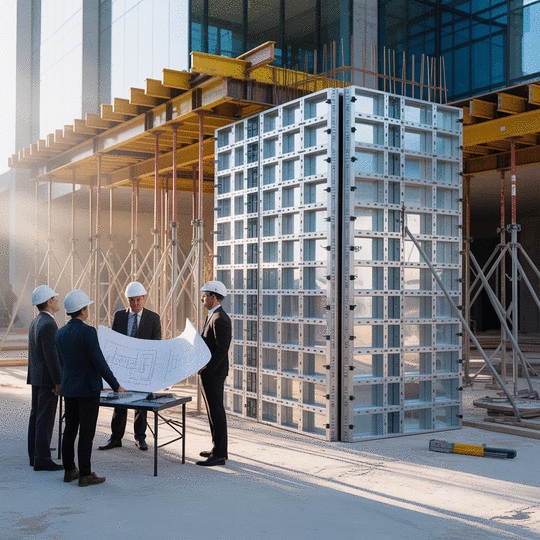
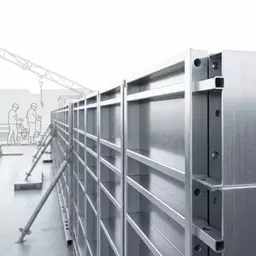
Lightweight formwork is a crucial innovation in the construction industry, designed to enhance efficiency and reduce the physical demands of traditional methods. Essentially, it refers to formwork systems that utilize materials significantly lighter than conventional options, such as steel or heavy timber. This shift not only simplifies the construction process but also broadens its applications across various project types. For instance, ULMA Construction provides various lightweight panel formwork systems that are easy to handle and quick to assemble.
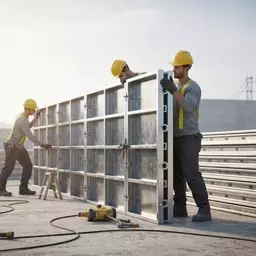
As a seasoned construction engineer, I have seen firsthand how lightweight formwork can transform workflows. Its primary uses include residential buildings, commercial projects, and infrastructure developments, where ease of handling and rapid assembly are paramount. This adaptability is one of the reasons why it has become increasingly popular in modern construction practices, with even modular light formwork systems demonstrating remarkable versatility across various projects.
What is Lightweight Formwork?
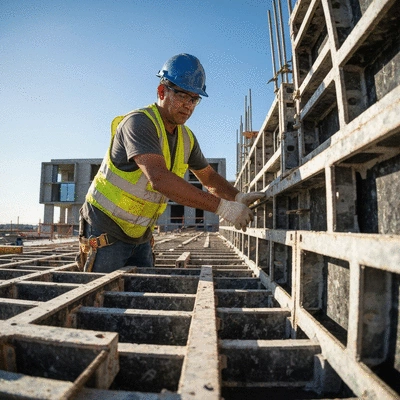
In the simplest terms, lightweight formwork is designed to create molds for concrete structures while being easy to transport and install. Materials such as aluminum and high-density plastics are commonly utilized due to their superior strength-to-weight ratios. This allows teams to achieve complex shapes and forms without the burden of excessive weight.
- Aluminum Formwork: Known for its durability and reusability, making it ideal for large projects.
- Plastic Formwork: Lightweight and cost-effective, suitable for smaller or less complex builds.
- Reusable Systems: Designed for multiple uses, maximizing resource efficiency and minimizing waste.
Understanding the specific characteristics of each type helps construction professionals make informed decisions tailored to their project requirements. As we delve deeper into this topic, it's important to recognize how these advantages translate into tangible benefits on-site.
Key Advantages of Lightweight Formwork
The benefits of lightweight formwork are numerous, making it an attractive choice for builders and contractors. One of the standout advantages is the speed of assembly. With lighter panels, crews can work faster, reducing overall project timelines. This not only positively impacts workflow but also allows for quicker project turnovers.
- Reduced Weight: Helps minimize manual labor and lowers the risk of injuries.
- Cost-Effectiveness: Lower transportation and handling costs lead to significant savings.
- Construction Efficiency: Streamlined processes result in increased productivity on-site.
In my experience, teams that adopt lightweight formwork often report enhanced morale and smoother project execution. These benefits can lead to a competitive edge in today’s fast-paced construction environment.
Exploring Sustainable Options in Lightweight Formwork
Sustainability is becoming a cornerstone of modern construction practices, and lightweight formwork is no exception. By integrating sustainable materials and practices, we can reduce the environmental impact of our projects. Lightweight materials not only minimize the carbon footprint during production but also contribute to energy efficiency throughout the project lifecycle.
- Recyclable Materials: Many lightweight formwork systems are designed to be reused and recycled.
- Lower Energy Consumption: Their lightweight nature reduces energy usage during transportation and installation.
- Green Certifications: Some systems meet or exceed environmental standards, enhancing project credentials.
As a firm believer in sustainable practices, I encourage construction professionals to consider these options. By choosing lightweight formwork, we not only optimize our workflows but also contribute to a greener future in construction, as highlighted by various studies on sustainable construction materials and methods.
Interactive Poll: Your Thoughts on Lightweight Formwork
As we've explored the numerous benefits of lightweight formwork, we want to hear from you! What do you consider the most important advantage of using lightweight formwork in your projects?
Frequently Asked Questions About Lightweight Formwork
What is lightweight formwork?
Lightweight formwork refers to systems used to create molds for concrete structures, utilizing materials significantly lighter than conventional options like steel or heavy timber. These materials, such as aluminum and high-density plastics, are easy to transport and install.
What are the main advantages of using lightweight formwork?
Key advantages include speed of assembly, reduced weight (minimizing manual labor and injury risks), cost-effectiveness (lower transportation and handling expenses), and enhanced construction efficiency due to streamlined processes.
What types of materials are commonly used in lightweight formwork?
Common materials include aluminum formwork, known for its durability and reusability, and plastic formwork, which is lightweight and cost-effective for smaller projects. Many systems are also designed to be reusable to maximize resource efficiency.
How does lightweight formwork contribute to sustainability?
Lightweight formwork contributes to sustainability through the use of recyclable materials, lower energy consumption during transportation and installation, and by meeting or exceeding green certifications. This helps minimize the carbon footprint and promotes greener construction practices.
In what types of projects can lightweight formwork be applied?
Lightweight formwork is highly adaptable and can be used in a wide range of projects, including residential buildings, commercial developments, and large infrastructure projects, where ease of handling and rapid assembly are crucial.
Final Thoughts on Choosing Lightweight Formwork
As we wrap up our discussion on lightweight formwork, it's clear that these innovative solutions bring numerous advantages to the construction site. From enhanced speed of assembly to improved cost-effectiveness, lightweight systems can significantly impact project efficiency. Remember, selecting the right type of formwork is not just about the material; it’s about understanding your project needs!
Additionally, the sustainability aspect of modern lightweight formwork cannot be overstated. By choosing environmentally friendly materials and practices, you not only contribute to the health of our planet but also often reduce overall project costs. Let's summarize the key benefits you should consider:
- Rapid assembly: Lightweight systems allow for faster setup, reducing labor time.
- Cost savings: Lower material weight can lead to reduced transportation and handling costs.
- Flexibility: Many lightweight formwork options are modular, enabling customization for unique project requirements.
- Sustainability: Utilizing recyclable materials helps in minimizing environmental impact.

Take Action: Finding the Right Lightweight Formwork for Your Project
If you're considering lightweight formwork for your next project, the next step is to assess your specific needs. Think about the scale of your project, the materials you prefer, and the technical requirements you must meet. It’s essential to connect with trusted suppliers or manufacturers who can provide valuable insights and customized solutions tailored to your objectives.
At Aluminium Formwork Online, we're passionate about empowering builders and contractors with the right knowledge and tools. I encourage you to reach out for quotes or consultations tailored to your unique project needs. Here are a few resources you might find helpful:
- Comprehensive Guide to Lightweight Formwork Systems
- Downloadable Checklist for Formwork Selection
- Contact Us for Personalized Support and Quotes
With the right resources and guidance, you're on your way to achieving faster, safer, and higher-quality construction outcomes. Don't hesitate to take that next step!
Recap of Key Points
Here is a quick recap of the important points discussed in the article:
- Rapid Assembly: Lightweight formwork allows for faster setup, significantly reducing labor time on projects.
- Cost Savings: The lower weight of materials leads to reduced transportation and handling costs, contributing to overall budget efficiency.
- Flexibility: Many lightweight formwork options are modular and customizable, catering to unique project requirements.
- Sustainability: Utilizing recyclable materials in lightweight formwork helps minimize environmental impact and promotes greener construction practices.
 Proper maintenance of aluminum formwork can significantly impact project success. As construction pr
 Have you ever considered how a simple choice in construction materials can transform your project’
 In today’s rapidly evolving construction landscape, embracing innovative solutions is no longer op