Cost-Benefit Overview
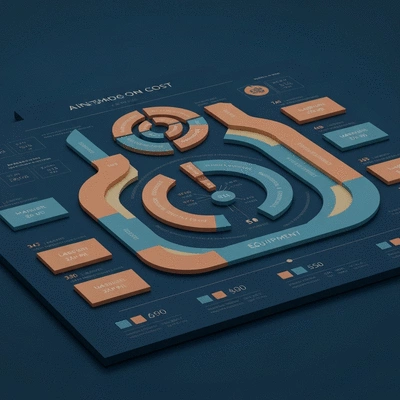
Investing in light modular formwork yields significant long-term savings through reduced construction time, lower labor costs, and material longevity, typically recovering initial investments efficiently.
Unlock expert insights on aluminium formwork systems and concrete casting workflows. Subscribe for cutting-edge technical guidance.
Posted on: 2026-06-25
By: Liam Marston
Curious about the transformative power of light modular formwork in construction? This innovative approach not only streamlines processes but also offers significant cost savings and flexibility. Let’s dive into the essential insights you can gain from this comprehensive overview.
An evaluation of light modular formwork systems, comparing initial investment costs, labor savings, and material durability across different material types.
Investing in light modular formwork yields significant long-term savings through reduced construction time, lower labor costs, and material longevity, typically recovering initial investments efficiently.
| Material | Initial Cost (per m²) | Durability (Years) | Typical Applications |
|---|---|---|---|
| Aluminum | $30 - $50 | 10 - 20 | Residential & Commercial |
| Plastic | $20 - $40 | 5 - 10 | Small Projects |
| Steel | $40 - $70 | 15 - 30 | Heavy Structures |
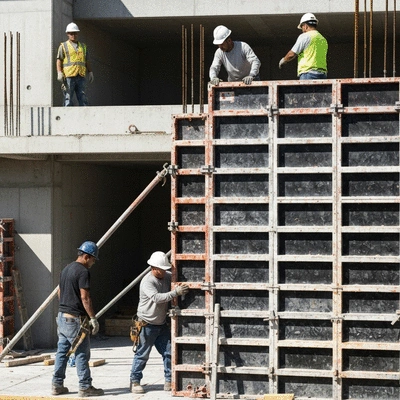
When diving into the world of construction, understanding light modular formwork is essential. These systems are designed to streamline the building process while maintaining structural integrity. As someone with over a decade of experience in the field, I can confidently say that embracing these innovative solutions can significantly enhance your project outcomes!
So, what exactly is light modular formwork? In simple terms, it's a type of formwork system made from lightweight materials, allowing for easy assembly and disassembly. This flexibility makes it an ideal choice for modern construction projects where efficiency is key. Now, let’s explore its features and how it’s revolutionizing the way we build.
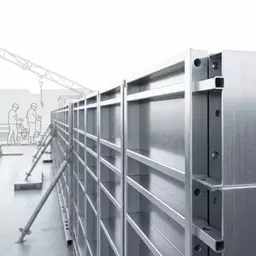
Light modular formwork refers to the use of pre-fabricated components that can be quickly assembled into a framework to mold concrete structures. These systems are particularly advantageous due to their ease of transport and assembly, which speeds up project timelines tremendously. By utilizing modularity, construction teams can adapt to the specific requirements of various sites, leading to more efficient workflows. For a deeper understanding of modular construction, you can refer to resources like the Steel Construction Institute's insights on modular buildings.
Additionally, the design of light modular formwork allows for greater design flexibility, as it can be tailored to fit unique project needs. This adaptability makes it a favored choice among builders and contractors looking to optimize their construction processes.
Lightweight modular formwork systems come packed with features that cater to modern construction demands. Some of the standout characteristics include:
These features not only enhance the construction process but also contribute to long-term savings and environmental sustainability. Choosing the right formwork system is a critical decision that can impact both the efficiency and quality of your project. For example, the ULMA Construction LGW catalogue provides detailed information on light modular formwork systems and their benefits.
Modular construction is not just a trend; it's a paradigm shift in the way we approach building. By integrating light modular formwork into your projects, you tap into a system that embodies both speed and quality. In this modern age, where time is often of the essence, modular construction offers a pathway to meet tight deadlines without compromising on safety or structural integrity.
As we continue to push the boundaries of what's possible in construction, embracing lightweight modular formwork is a step toward not only achieving efficiency but also fostering a culture of innovation within the industry.
When selecting a light modular formwork system, always consider the specific requirements of your project, including the expected load, site conditions, and the frequency of reuse. This approach will help you maximize both efficiency and cost-effectiveness in your construction projects.
When considering light modular formwork, it's essential to evaluate its cost-effectiveness throughout your project lifecycle. Understanding the financial implications can help you make informed decisions, balancing initial investments with long-term savings. In my experience at Aluminium Formwork Online, I’ve seen how these systems can lead to substantial cost reductions over time.
A detailed cost breakdown is vital for any construction project. Let’s dive into how the initial investment compares to potential long-term savings. By analyzing these factors, you can see how light modular formwork can not only streamline construction timelines but also improve your overall budget.
It's clear that investing in light modular formwork can yield significant long-term savings. This is particularly true when you consider the reduced construction time, lower labor costs, and the longevity of the materials. In my projects, I often see teams recovering their initial investment through these efficiencies!
One of the most significant advantages of using light modular formwork is the potential for labor cost reductions. With streamlined assembly processes, teams can reduce the number of hours spent on-site. This efficiency not only saves money but also allows workers to focus on other critical tasks, ultimately enhancing productivity.
These factors collectively contribute to a more efficient workflow that translates to lower overall labor costs. In my experience, improving these aspects can significantly enhance the bottom line of any construction project!
It’s also essential to compare the costs of various formwork materials to determine the best fit for your project. Here’s a brief overview of cost estimates for aluminum, plastic, and steel formwork systems:
| Material | Initial Cost (per square meter) | Durability (Years) | Typical Applications |
|---|---|---|---|
| Aluminum | $30 - $50 | 10 - 20 | Residential & Commercial |
| Plastic | $20 - $40 | 5 - 10 | Small Projects |
| Steel | $40 - $70 | 15 - 30 | Heavy Structures |
As you can see, each material has its pros and cons. Aluminum is often the preferred choice due to its balance of durability and weight, making it ideal for various applications. It’s crucial to assess your specific needs and project requirements when selecting the appropriate formwork system. For more detailed insights into aluminum formwork, Alumlight provides valuable articles on its applications and benefits.
Finding reliable sources for your light modular formwork is a key step in ensuring your project’s success. With my background, I’ve learned the importance of not just price-checking but also evaluating the quality and support offered by suppliers.
It’s essential to work with reputable suppliers who understand the intricacies of modular formwork systems. Here are some tips to help you find the right suppliers:
By taking these steps, you will be able to find a supplier that not only meets your cost requirements but also provides valuable assistance during your project.
A critical decision in sourcing light modular formwork is whether to rent or purchase. Each option has its benefits depending on your project scope:
In my experience, evaluating the longevity of your project can greatly inform this decision! Rental options often work well for one-off jobs, while purchasing can be more beneficial for ongoing work.
When sourcing light modular formwork, it's crucial to prioritize quality assurance. High-quality materials not only enhance safety but also improve the efficiency of your construction processes. Here are key aspects to consider:
By focusing on these aspects, you can confidently source formwork systems that meet your project’s demands and ensure structural integrity!
Proper maintenance of aluminum formwork can signif