Material Cost per Square Meter
Aluminium$30
Steel$40
Timber$25
Unlock expert insights on aluminium formwork systems and concrete casting workflows. Subscribe for cutting-edge technical guidance.
Posted on: 2026-06-25
By: Liam Marston
Choosing the right formwork system can significantly impact your construction project’s success. As you navigate the complexities of construction techniques, it's essential to leverage innovative solutions that enhance efficiency and safety. Here’s what you will learn about aluminium column formwork and its benefits for your projects.
A comparison of aluminium formwork with steel and timber, highlighting cost efficiency and project benefits.
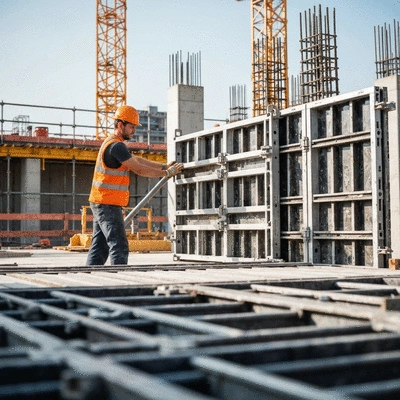
When it comes to modern concrete construction, aluminium column formwork plays a vital role. This innovative system is designed to hold concrete in place during the curing process, ensuring that it achieves the desired shape and strength. At Aluminium Formwork Online, we emphasize the importance of understanding how these systems work and how they can enhance your construction projects.
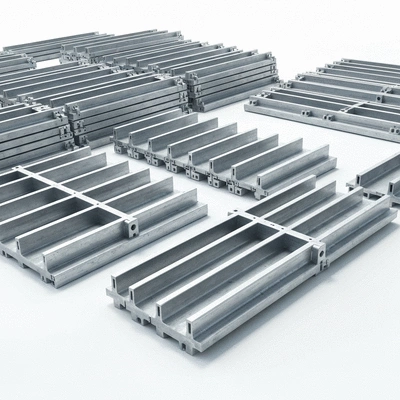
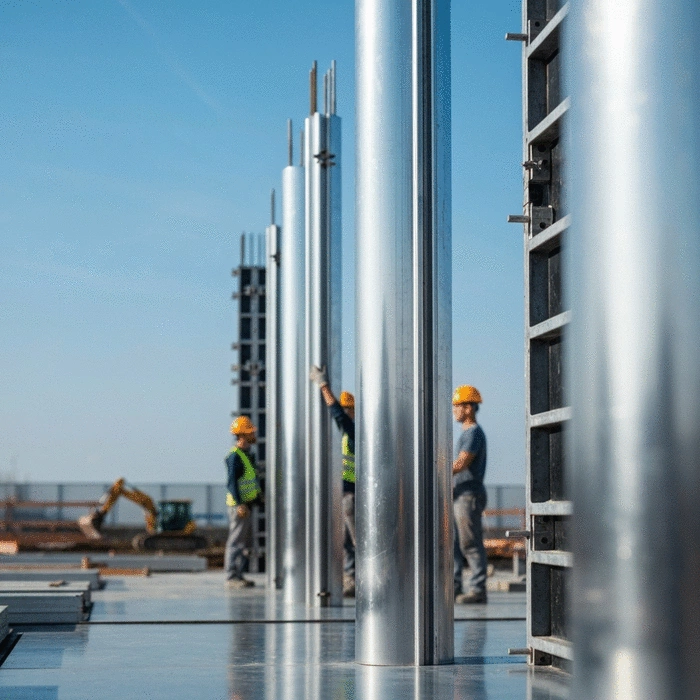
Aluminium column formwork consists of modular units made from lightweight, durable aluminium that is used to create columns and vertical structures in various construction projects. Unlike traditional timber or steel options, aluminium formwork offers significant advantages in terms of both performance and efficiency. These systems are engineered for quick assembly and disassembly, making them ideal for projects that require speed without compromising on quality. By leveraging aluminium’s lightweight nature, builders can handle the formwork more easily, reducing labor costs and minimizing the risk of injuries during installation. For a deeper understanding of monolithic plastic and aluminium formwork, you can explore resources like this technology profile.
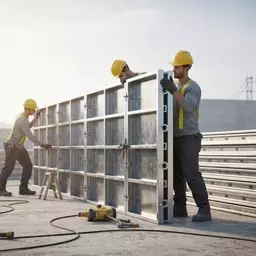
The lightweight characteristics of aluminium column formwork make it a standout choice for construction teams. This means easier handling and significantly reduced manual labor, which can lead to improved safety on-site. Workers can maneuver these units without the need for heavy lifting equipment, streamlining the overall workflow.
Incorporating aluminium formwork into your construction processes not only boosts productivity but also promotes a safer working environment, enabling your team to focus on the task at hand.
One of the most significant benefits of aluminium column formwork is its high reusability. These systems can be used for multiple projects without any loss in integrity, leading to substantial cost savings. As a construction professional, you’ll want to consider the long-term implications of your formwork choices. For additional insights on practical approaches to formwork, this guide provides valuable information.
Ultimately, by choosing aluminium formwork, you’re not just enhancing your current project; you're also laying the groundwork for future efficiency and savings.
Safety is paramount in construction, and aluminium column formwork brings significant safety benefits by enabling quick assembly. With fewer components and lightweight materials, the risk of accidents and injuries is minimized. This not only protects your workforce but can also lead to quicker project completion times.
By prioritizing safety and efficiency through the use of aluminium column formwork, you can ensure that your construction projects proceed smoothly and without unnecessary delays.
When evaluating formwork options, it's essential to consider the weight-to-load capacity ratio. Aluminium column formwork offers a superior strength-to-weight ratio compared to traditional materials like steel and timber. This means that you can achieve the same structural integrity with significantly less weight. For more detailed technical parameters, you can consult resources on aluminium column formwork.
For example, aluminium formwork can support heavy loads while remaining manageable for workers during installation and removal. This characteristic not only contributes to project safety but also enhances overall efficiency.
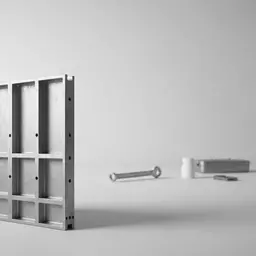
The assembly process for aluminium column formwork is designed for simplicity and speed. Typically, the formwork units can be assembled in just a few steps, which minimizes labor time and reduces the overall project timeline.
By streamlining assembly with aluminium formwork, you can focus on what truly matters: delivering high-quality results to your clients.
Effective formwork design is crucial for ensuring structural integrity. Aluminium column formwork is engineered with specific principles that prioritize both strength and performance. Understanding these principles can help you optimize your designs and achieve better outcomes in your construction projects.
As you consider your formwork choices, it’s important to evaluate the various options available in the market. Aluminium column formwork stands out due to its unique combination of benefits, from weight and reusability to cost efficiency and safety. Making an informed decision can significantly impact your project’s success.
To help you understand the financial implications of your material choices, it’s essential to compare costs. Below is a comparison table that outlines the cost-per-square-meter for aluminium, steel, and timber formwork:
| Material | Cost per Square Meter |
|---|---|
| Aluminium | $30 |
| Steel | $40 |
| Timber | $25 |
This simple breakdown allows you to see the advantages of investing in aluminium formwork, especially considering its long-term reusability and cost efficiency.
Choosing a reputable manufacturer is crucial for ensuring quality in your aluminium formwork systems. Notable suppliers such as Doka, MEVA, and PERI offer a variety of products tailored to your construction needs.
Working with these suppliers can enhance your project's success by ensuring you have access to high-quality formwork systems.
In addition to global manufacturers, regional suppliers can cater to specific market needs, often providing localized support and tailored offerings. Engaging with local suppliers helps you take advantage of their expertise and knowledge of regional construction practices.
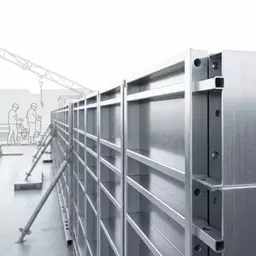
To ensure effective on-site assembly of aluminium column formwork, consider utilizing a visual guide or video link. These resources can help your team quickly grasp the installation process, ensuring accuracy and efficiency.
Proper maintenance is key to extending the lifecycle of your aluminium formwork. Here are some practical tips:
By prioritizing maintenance, you can maximize your investment in aluminium formwork and ensure it remains a valuable asset for your future projects.
One notable example of the effectiveness of aluminium column formwork can be seen in Project X, where the team experienced significant efficiency gains. By implementing aluminium formwork, they reduced construction time by 20%, demonstrating its potential to transform project timelines.
The role of prefabrication techniques in aluminium formwork cannot be overstated. Modular systems streamline the construction process, reducing on-site assembly time and enhancing overall project efficiency. As construction continues to evolve, these innovative approaches will become increasingly essential.
When selecting aluminium column formwork, consider investing in systems that offer customizable options. Tailoring your formwork to the specific dimensions and requirements of your project can lead to even greater efficiency and cost savings. Additionally, always consult with your engineering team to ensure that the formwork design aligns with the structural demands of your project.
When considering aluminium column formwork for your next construction project, it’s essential to review the key advantages and factors that make these systems stand out. From their lightweight nature to their high reusability, the benefits are numerous. In this section, I’ll recap important points to help you make an informed decision.
By keeping these benefits in mind, you can better assess how aluminium column formwork can optimize your construction workflow and project outcomes. It’s not just about choosing a system; it’s about selecting a strategy that enhances efficiency and safety.
Ready to take the plunge? I encourage you to reach out to suppliers for quotes tailored to your specific needs. Take the time to explore various options within the aluminium column formwork space to find the best fit for your projects. If you need assistance in this decision-making process, I’m here to help!
Your experiences and questions are important to us! Feel free to connect with me, Liam Marston, at Aluminium Formwork Online. Whether you're looking for advice on specific applications or want to share your own success stories with aluminium formwork, I would love to hear from you. Let’s foster a community of knowledge and innovation!
Safety should always be a priority in construction. When using aluminium formwork, it's crucial to adhere to established safety protocols to protect your team. Some basic guidelines include:
By following these protocols, you can help ensure a safer work environment, ultimately benefiting both your team and your project.
Aluminium formwork isn’t just about enhanced efficiency; it’s also a savvy choice for reducing overall construction costs. This type of formwork contributes to savings through:
When you analyze these factors, it’s clear that investing in aluminium column formwork can yield significant returns. Embrace this innovative solution and watch your construction costs diminish while quality remains high!
Here is a quick recap of the important points discussed in the article:
Proper maintenance of aluminum formwork can signif