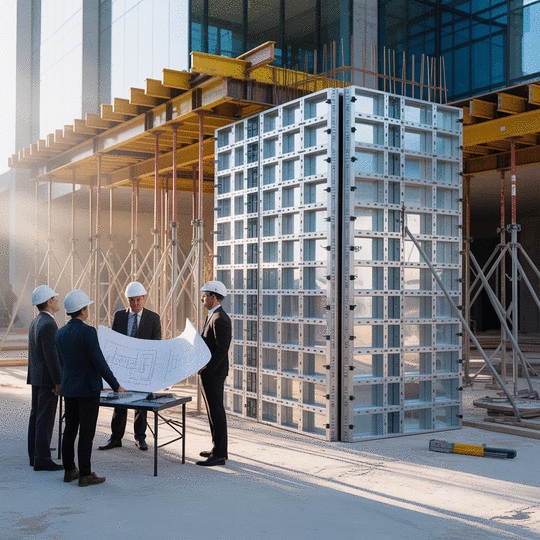
Environmental Impact
Minimizes concrete waste and reduces carbon footprint, making projects more eco-friendly and resource-efficient.
85% Reduction in Waste
Unlock expert insights on aluminium formwork systems and concrete casting workflows. Subscribe for cutting-edge technical guidance.
Posted on: 2026-06-25
By: Liam Marston
When considering reusable formwork systems, the benefits extend far beyond mere convenience. These innovative solutions are reshaping the construction industry by combining sustainability with efficiency. What can you learn from this transformative approach?
Reusable formwork offers significant advantages in construction, impacting environmental sustainability, cost efficiency, and overall project timelines.
Minimizes concrete waste and reduces carbon footprint, making projects more eco-friendly and resource-efficient.
85% Reduction in Waste
Achieves long-term savings through material reuse and reduced labor, improving project financial viability.
70% Cost Savings Potential
Facilitates faster assembly and disassembly, leading to quicker project completion and improved timelines.
30% Reduction in Construction Time (Project A)
In today's construction landscape, reusable formwork systems have emerged as a game-changing approach, promoting both sustainability and efficiency. But what exactly are these systems? They are designed to be used multiple times, allowing construction teams to minimize waste and reduce costs associated with traditional formwork. As someone deeply invested in engineering innovations, I believe understanding these systems is vital for anyone involved in construction.
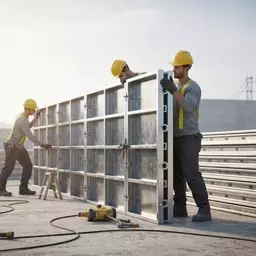
Reusable formwork systems streamline the concrete casting process, making it quicker and more organized. By choosing a system that suits your project needs, you can enhance your workflow while ensuring that you're making an environmentally conscious choice! For more detailed insights into various formwork systems, consider exploring resources from leading industry providers like PERI.
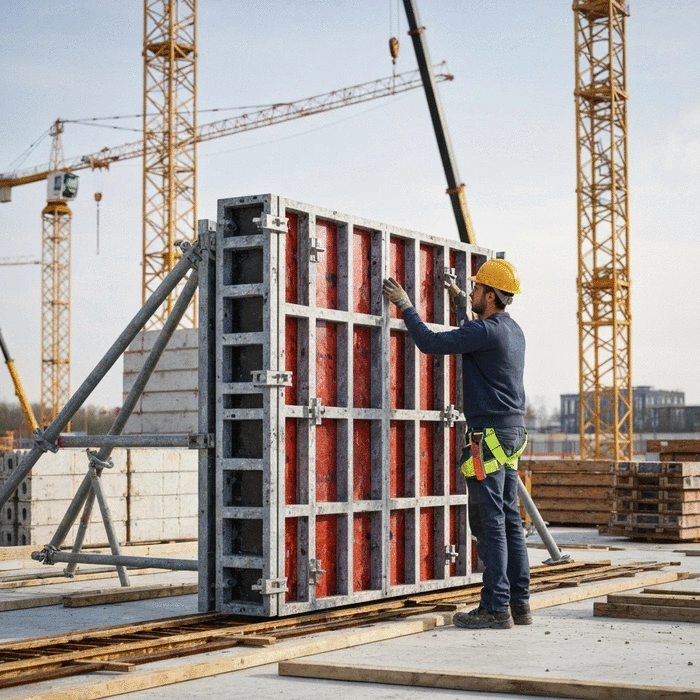
A reusable formwork system is a set of molds used to shape and support concrete during the curing process. Unlike traditional formwork, which is often discarded after a single use, these systems can be dismantled, cleaned, and reused on subsequent projects. This not only contributes to a more sustainable construction approach but also allows for significant cost savings over time. Further information on the use and reuse of formwork can be found in comprehensive reports from organizations like CPWR.
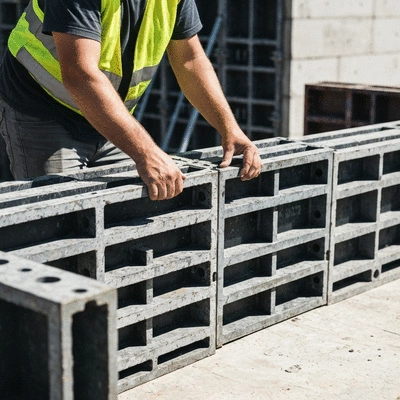
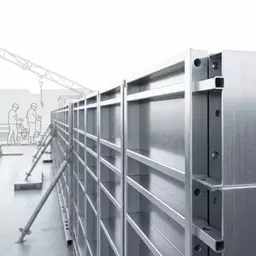
These systems come in several materials, such as aluminum, steel, and plastic, each offering its own set of advantages. For instance, aluminum formwork is lightweight and easy to handle, which can speed up the installation process. On the other hand, steel is known for its durability and strength, making it ideal for heavy-duty applications.
Using reusable formwork systems not only impacts your project budget but also contributes to a healthier planet. In my experience, I’ve seen how these systems drastically reduce material waste, which is a win-win for builders and the environment.
The first major benefit of reusable formwork systems is their environmental impact. By minimizing the amount of concrete wasted through overuse or improper pouring, we can significantly reduce our carbon footprint. This allows construction teams to meet sustainability goals without compromising on quality.
Plus, less concrete usage means fewer resources consumed during production, leading to a lower demand on natural materials. It's a responsible choice for anyone looking to make a change in the construction industry!
When you invest in reusable formwork, you're investing in long-term savings. Initially, the upfront costs might seem higher compared to traditional options, but the ability to reuse these systems across multiple projects leads to substantial savings over time. Calculating the return on investment (ROI) will show you just how much money can be saved in the long run.
Additionally, reduced labor costs associated with quicker setup and breakdown times can further enhance your project's financial viability. It’s about making smart decisions today that pay off tomorrow!
Finally, using reusable formwork aligns with modern construction sustainability practices. It encourages builders and contractors to adopt eco-friendly practices, enhancing their reputation in the industry. The American Concrete Institute also provides valuable resources and publications on sustainable concrete practices, which can be explored via their International Concrete Abstracts Portal. At Aluminium Formwork Online, we’re passionate about empowering our community with knowledge that not only drives efficiency but also promotes responsible construction.
By choosing systems that prioritize sustainability, you contribute to a culture of responsible building, benefiting both current and future generations. Let's embrace this change together!
Reusable formwork systems are molds used to shape and support concrete during curing that can be dismantled, cleaned, and reused for multiple construction projects. This contrasts with traditional formwork, which is often discarded after a single use.
The key benefits include reduced environmental impact (less concrete waste, lower carbon footprint), significant long-term cost savings (material reuse, reduced labor), and increased construction efficiency (faster assembly and disassembly).
Common materials include aluminum, steel, and plastic. Aluminum is lightweight and easy to handle, steel offers durability for heavy-duty applications, and plastic is often used for its versatility and smooth finish.
They contribute to sustainability by minimizing concrete waste and reducing the overall carbon footprint of construction projects. This promotes eco-friendly practices and reduces the demand for new natural resources.
Yes, the upfront costs for reusable formwork systems might be higher than traditional options. However, these systems offer substantial long-term savings due to their reusability across multiple projects and reduced labor requirements.
What do you think about implementing reusable formwork systems in your projects? Share your thoughts below:
As we wrap up our exploration of reusable formwork systems, it's essential to reflect on the numerous advantages these systems bring to the construction industry. By choosing a reusable solution, you're not just opting for a cost-effective option; you're also making a commitment to sustainability and efficiency. Have you considered how these systems can transform your project workflow?
From reducing concrete usage to enhancing project timelines, the benefits are clear. Investing in reusable formwork systems can lead to significant long-term savings while also promoting eco-friendly practices within your organization. As a seasoned construction engineer, I can personally attest to the transformative power of these systems in optimizing construction outcomes.
In summary, reusable formwork systems are not just a trend; they are a practical solution that can drive positive change in your construction practices. As we continue to face challenges in our industry, embracing these solutions will help us stay ahead.
Taking the first step toward implementing reusable formwork in your projects can be straightforward. Here’s how you can get started:
These steps will help you transition smoothly to reusable formwork systems, enhancing your construction workflows and project outcomes. Remember, at Aluminium Formwork Online, I'm here to support you through this transition with reliable advice and resources.
To illustrate the impact of reusable formwork systems, let's explore a few successful case studies:
These case studies highlight how various projects have successfully integrated reusable formwork, showcasing the tangible benefits achieved. As you consider your next project, think about how these successes can be a model for your own work.
Here is a quick recap of the important points discussed in the article:
Proper maintenance of aluminum formwork can signif