Aluminum Formwork Lifespan
100+Uses
Highly durable, offering extensive reusability across numerous projects, significantly reducing material waste and long-term costs. Ideal for large-scale and repetitive builds.
Unlock expert insights on aluminium formwork systems and concrete casting workflows. Subscribe for cutting-edge technical guidance.
Posted on: 2026-06-25
By: Liam Marston
In the world of construction, the choice of materials can make or break a project. Durable formwork panels are essential components that can enhance both efficiency and quality in your builds. Here’s why understanding them is vital for your next construction endeavor.
Understanding the expected lifespan of various durable formwork panel types is crucial for optimizing project efficiency and cost-effectiveness. The following comparison highlights key differences across common materials, indicating their reusability and contribution to sustainable construction practices.
Highly durable, offering extensive reusability across numerous projects, significantly reducing material waste and long-term costs. Ideal for large-scale and repetitive builds.
Offers fewer reuse cycles compared to metal options. Suitable for projects where initial material cost is a primary concern, but with a shorter overall lifespan.
When it comes to construction, selecting the right materials is key to achieving both efficiency and quality. Durable formwork panels play a vital role in this process, serving as the temporary structures that shape and support wet concrete until it cures. Understanding what these panels are and their significance can make a big difference in your project’s success.
At Aluminium Formwork Online, I often emphasize how the right formwork system can streamline workflows and enhance project outcomes. So, what exactly are durable formwork panels, and why should you consider them for your next construction project?
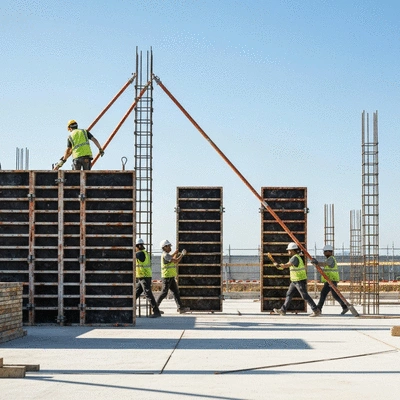
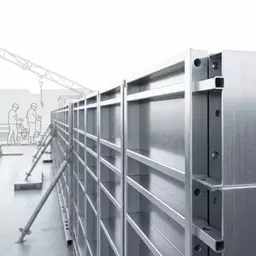
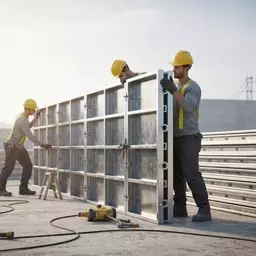
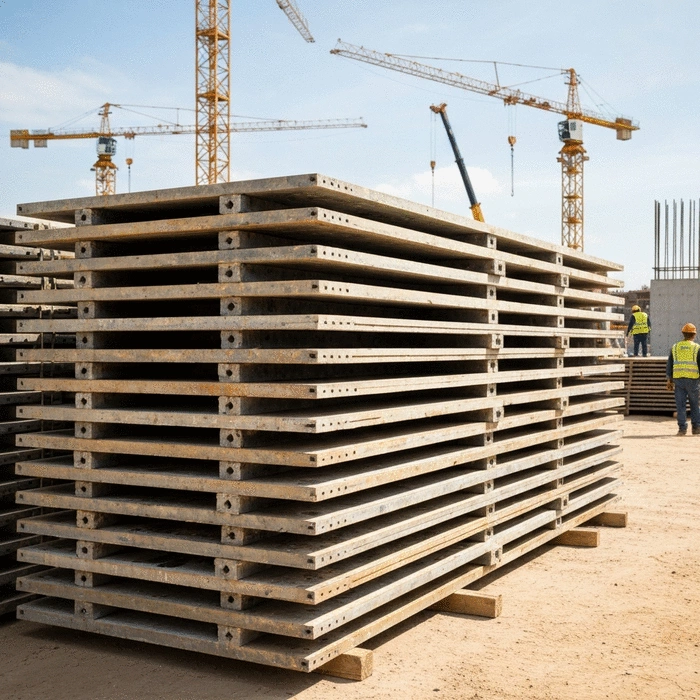
Durable formwork panels are engineered systems designed to support the weight of fresh concrete during the pouring and curing phases. Typically made from materials such as aluminum or steel, these panels are built to withstand the harsh conditions of construction sites. Their robust design ensures they can be reused multiple times, enhancing their cost-effectiveness and sustainability.
The definition of durability in formwork not only encompasses the materials used but also their ability to perform under various environmental conditions. This leads us to the next crucial aspect—their importance in construction. For additional insights into the structure and function of such panels, you can refer to resources on permanent formwork panels.
In my experience as a construction engineer, I’ve witnessed firsthand how these benefits translate into smoother project execution. Each advantage contributes not just to immediate savings but also long-term value, making durable formwork an essential choice. For an example of innovative formwork systems that prioritize efficiency and safety, explore the PERI DUO system.
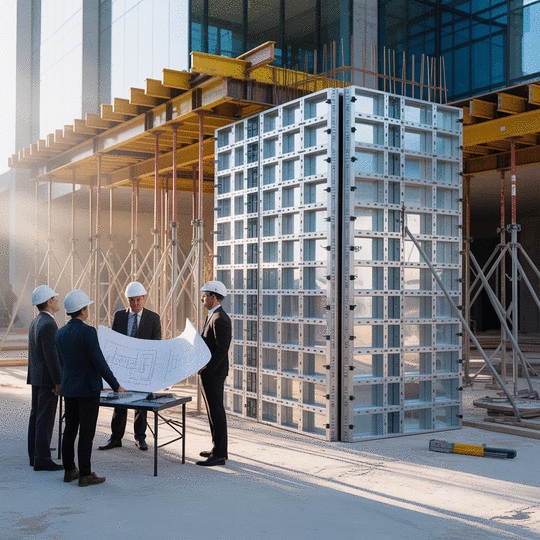
Concrete formwork is not merely a support system; it’s a fundamental component of structural engineering. The formwork allows for precise shaping of the concrete, which directly influences the strength and stability of the finished structure. Additionally, the quality of the formwork sets the stage for the concrete surface finish—something that can greatly affect both aesthetics and performance.
Engaging with your engineering team to understand the formwork options available is crucial. It ensures that your choice aligns with the specific requirements of your project, ultimately leading to a successful build that meets all engineering standards. Patents like US20160244984A1 further illustrate advancements in formwork technology designed for improved structural integrity and ease of use.
Now that we’ve explored the significance of durable formwork panels, let’s delve into the various material types available. The choice you make can greatly influence not only the performance of your construction project but also its overall cost and efficiency.
Did you know that incorporating durable formwork panels can reduce waste and lower your project's carbon footprint? By opting for reusable materials, not only do you save money in the long run, but you also contribute to sustainable construction practices that benefit the environment.
As we delve into the world of durable formwork panels, it's essential to recognize their pivotal role in ensuring successful construction outcomes. Each project is unique, and selecting the right formwork panel can significantly impact both the efficiency and quality of your build. Let’s explore some key takeaways to guide you in making informed decisions about your formwork needs!
When it comes to selecting formwork panels, consider a few critical factors. Understanding your project needs is the first step towards making an informed decision. Ask yourself questions like: What materials are best suited for my construction environment? How do different panels perform under various conditions? This will help you identify the right fit for your unique requirements.
Taking time to evaluate these aspects ensures that you select a formwork solution that aligns with not only your immediate needs but also your long-term construction goals.
It’s vital to start your selection process by assessing the specific demands of your project. For instance, lightweight formwork may be ideal for smaller, residential builds, while more robust options, like aluminum panels, might be necessary for larger commercial projects. Engaging with your engineering team early can help you align your formwork selection with your overall construction strategy.
The initial investment in formwork can be substantial, but understanding the long-term cost benefits is crucial. Here are some key considerations:
By weighing these factors, you can make a choice that not only suits your budget but also maximizes your return on investment.
As the construction industry leans towards more sustainable practices, the focus on reusable formwork has gained momentum. Reusable systems not only reduce waste but also provide significant savings over time. Here are some considerations:
Implementing reusable formwork solutions can vastly improve both your sustainability efforts and project timelines!
At Aluminium Formwork Online, we're here to support you in your formwork journey. Whether you have questions about specific materials, or need personalized recommendations, we're just a click away!
We understand that you may have questions about durable formwork panels. Let’s address a few common concerns:
The lifespan of formwork panels can vary significantly based on material and usage. Generally, aluminum formwork can last for 100 uses or more, while plastic options like PVC might offer fewer cycles. Your choice should consider both your budget and project requirements!
Adhering to a maintenance schedule is crucial. Regular cleaning, inspections, and applying appropriate release agents can significantly increase the lifespan of your formwork panels. Have you considered implementing these practices in your workflow?
Custom formwork solutions provide flexibility and precision for unique project needs. They allow for tailored designs that can address specific structural challenges, ultimately leading to enhanced project outcomes. Engaging with experts can help you explore these innovative options.
Ready to take the next step? Our team at Aluminium Formwork Online is here to assist you! You can reach out for personalized recommendations tailored to your specific project needs.
Contact us through our website or give us a call! We’re eager to discuss your formwork needs and help you find the perfect solution.
Don’t forget to check out our comprehensive range of formwork solutions designed to empower your construction projects. At Aluminium Formwork Online, we’re committed to providing you with the tools and knowledge to achieve exceptional results!
Here is a quick recap of the important points discussed in the article:
Proper maintenance of aluminum formwork can signif